Training Exotic Animals: Approaches to Bonding with Reptiles and Amphibians
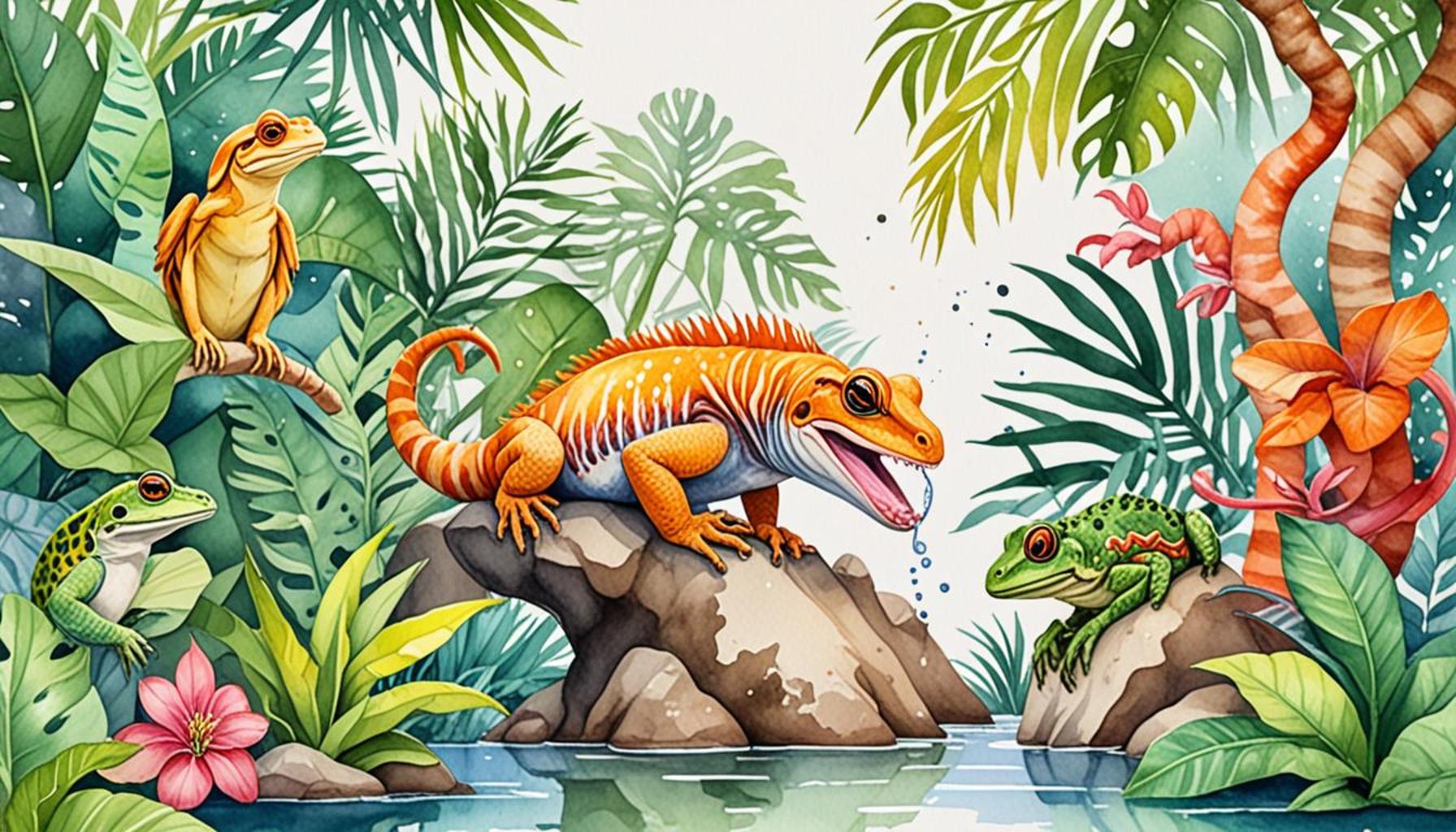
The Art of Training Reptiles and Amphibians
The world of animal training is often dominated by furry companions, such as dogs and cats. However, reptiles and amphibians introduce a distinctive dynamic that challenges conventional training methods. These exotic creatures not only require specialized knowledge but also unique techniques for effective bonding and communication. Understanding their intrinsic behaviors is paramount for establishing a meaningful relationship, which can lead to a more enriching pet-owner experience.
Essential Aspects of Training
Successful interactions with reptiles and amphibians necessitate a foundation built on patience and thorough understanding of the species. Here are several critical factors to consider when engaging in training:
- Environment: A safe and stimulating habitat is crucial. Habitat enrichment, including hiding spots, climbing branches, and varied substrates, can reduce stress and make the animal feel secure.
- Observation: Understanding a species’ body language and habits is vital. For instance, noticing how a snake constricts when it feels threatened can help one avoid unwanted stress during handling.
- Positive Reinforcement: Utilizing food rewards or appropriate stimuli encourages desired behaviors. This method promotes trust and helps in shaping the animal’s learning process.
Species-Specific Training Techniques
Each species of reptile and amphibian possesses unique characteristics that influence training methods. Here are notable examples:
- Snakes: Snakes often rely on touch and scent to recognize their owners. They may benefit from gentle handling, allowing them to become accustomed to human presence, and can be trained to associate a specific scent, like that of their food, with positive experiences.
- Frogs: Frogs are known to learn through visual cues. Using consistent colors or patterns when feeding can enhance recognition and response. Enthusiasts have reported success with using timed feeding schedules as a training tool for these amphibians, fostering predictable behavior.
- Lizards: These reptiles thrive on structured routines and gentle handling. Some owners find success in clicker training for lizards, where a faint click sound is followed by a food reward, effectively reinforcing behavior like coming to their owner’s hand.
Broaden Your Understanding
By delving into these diverse methods, pet owners can elevate their interactions with reptiles and amphibians to new heights. This journey is not merely about training—it is about fostering a relationship based on mutual respect and understanding. As owners learn to appreciate the complexities of these creatures, they grow not only in skill but also in empathy. Exploring the world of exotic pets can uncover valuable insights, promoting a culture of care and responsible ownership. Such responsible practices not only enhance the pet’s quality of life but also enrich the owner’s experience, making for a truly rewarding partnership.
EXPLORE MORE: Click here to learn how to prepare your home for a furry friend</p

Understanding the Unique Nature of Reptiles and Amphibians
When it comes to training exotic animals, reptiles and amphibians stand apart from traditional pets. Their unique physiologies and behaviors necessitate tailored approaches to bonding and interaction. Recognizing these distinctions is the first step towards successfully training these fascinating creatures. While each species may display a difference in temperament and intelligence, certain fundamental principles apply broadly across these groups, shaping the way we can connect with them.
The Significance of Trust-building
The cornerstone of successful training lays in establishing a relationship of trust. Reptiles and amphibians are often more skittish than mammals, largely due to their natural instincts. In order to create an environment where they feel safe and secure, follow these essential methods:
- Gentle Approach: Always handle these animals softly. Sudden movements or loud noises can trigger defensive behaviors, resulting in stress. Consistent gentle handling will encourage them to come to trust you.
- Consistency is Key: Just like humans, these animals thrive on routine. A predictable schedule for feeding, handling, and training sessions can help them feel more at ease and secure in their environment.
- Minimize Stressors: Ensure the habitat is as enriching and comfortable as possible. Reducing external stressors—such as bright lights or loud noises—can help facilitate a better learning environment.
Understanding Feeding Behavior
Feeding time often serves as a crucial training opportunity and bonding experience. Creating a structured feeding routine not only provides nourishment but also encourages positive interactions. Experimenting with various feeds, such as live insects, plants, or specially-formulated pellets, can reveal preferences that can then be integrated into training. For example:
- Utilizing Live Prey: In the case of many reptiles, presenting live food can stimulate their hunting instincts while also serving as a rewarding activity.
- Timing and Environment: Offering food in a quiet, low-traffic area allows them to forage without fear. This process also promotes a bond as the animal begins to associate your presence with a comforting and safe experience.
Encouraging Natural Behaviors
Rather than forcing compliance in feeding or handling situations, encourage natural behaviors that lend themselves to training. For instance, many reptiles display basking or burrowing tendencies which can become integral to their routine. Recognizing and reinforcing these behaviors can create a rewarding cycle of engagement that strengthens your relationship.
Embarking on the journey of training reptiles and amphibians enriches both the pet-owner experience and the animal’s life. By cultivating an environment of trust, consistency, and understanding, owners can pave the way towards establishing meaningful connections—transforming a simple bond into a profound partnership. The following sections will delve deeper into specific training methodologies tailored to some of the most popular exotic species.
| Advantage | Description |
|---|---|
| Enhanced Communication | Understanding the body language and behavioral signals of reptiles and amphibians is crucial for effective training. |
| Building Trust | Establishing a bond through patience and respect fosters a healthier interaction and improves the animals’ well-being. |
In the realm of exotic animal care, particularly with reptiles and amphibians, the art of bonding goes beyond simple handling and feeding routines. One of the most significant advantages in this endeavor is the enhanced communication that arises from understanding the nuanced body language of these creatures. Each species exhibits specific cues that indicate comfort, stress, or curiosity, offering owners insights into their animal’s emotional state. Through vigilant observation and practice, pet owners can learn to interpret these signals, paving the way for a more informed and empathetic relationship.Moreover, the process of building trust cannot be overstated. Reptiles and amphibians, typically more reserved than mammals, thrive in environments where they feel secure. By consistently using a gentle approach and respecting their personal space, a stronger bond is cultivated. This dedicated focus on establishing trust not only enriches the relationship between the caretaker and the animal but also is vital for the animal’s overall health and well-being. The culmination of understanding communication and fostering trust creates a holistic training experience, compelling enthusiasts to delve deeper into the intricacies of bonding with these extraordinary beings.
DIVE DEEPER: Click here to learn more
Specialized Training Techniques for Reptiles and Amphibians
Once a foundation of trust has been established and the basic parameters of handling and feeding are in place, you can begin to explore specialized training techniques tailored to reptiles and amphibians. Each species exhibits unique behaviors and learning capabilities, making it essential to adopt specific training methodologies to appreciate their extraordinary characteristics fully.
Operant Conditioning in Training
Operant conditioning, a popular training method in animal behavior, can be adapted to teach reptiles and amphibians. This technique involves reinforcing certain behaviors with rewards, enabling the animal to connect actions with outcomes. Specific strategies include:
- Using Clicker Training: This involves using a clicker to signal the exact moment a desired behavior occurs, followed by a reward. Over time, the animal learns to associate the click with positive reinforcement, enhancing its willingness to cooperate during training sessions.
- Setting Achievable Targets: Begin with simple commands or actions, like moving towards a specific area or investigating an object. As proficiency increases, gradually introduce more complex tasks, reinforcing success with treats or praise.
Socialization and Enrichment Strategies
While reptiles and amphibians may not exhibit the same social behaviors as mammals, socialization is still crucial for training. Introduce enrichment tools to stimulate your exotic pet’s environment and encourage exploration, which can be pivotal in training.
- Interactive Enclosures: Incorporate climbing structures or hiding spots that promote natural behaviors. For instance, a bearded dragon benefits from climbing logs, which not only stimulate physical activity but also showcase your pet’s intelligence.
- Variation in Handling: Rotate the types of interactions offered to your pet, from allowing them to explore your hand to gently placing them in different areas of the house under supervision. This variation helps to expand their comfort level and curiosity.
Understanding Species-Specific Needs
Different reptiles and amphibians exhibit distinct behavioral traits and social needs. Identifying these characteristics can enhance your training efforts by aligning them more closely with the animal’s natural instincts. For example:
- Chameleons: These reptiles can be shy and may respond better to visual cues. Slow movements and visual stimulation, such as bright colors, can foster an engaging learning experience. Use hand signals or visual markers to guide them through training.
- Frogs and Toads: These amphibians may not respond well to traditional training methods because their cognitive capacities differ significantly from reptiles. Instead, encourage natural behaviors through environmental stimulation and include opportunities for foraging as a learning tool.
By recognizing the unique characteristics and needs of various species, trainers can create more effective training protocols tailored to the specific animal’s behavior. Ultimately, the key to success lies in patience, understanding, and a willingness to adapt one’s techniques to foster deeper connections with these remarkable creatures.
DISCOVER MORE: Click here for essential tips
Conclusion
In the world of exotic animal training, building a strong bond with reptiles and amphibians requires a unique blend of patience, understanding, and creativity. As we’ve explored, effective training is not merely about instilling obedience; it’s about recognizing and respecting the natural behaviors of each species. From the intricate use of operant conditioning to tailored socialization techniques, trainers must become attuned to the distinct needs of these animals.
Incorporating environmental enrichment and innovative training methods, such as clicker training and interactive enclosures, can significantly enhance the learning experience and strengthen the trainer-animal relationship. A wise trainer appreciates that every reptile’s or amphibian’s personality is as varied as the species themselves, demanding adaptable strategies that foster trust and cooperation.
Furthermore, the insights gained from understanding species-specific behaviors pave the way for more successful interactions, paving the path for responsible and fulfilling pet ownership. As you embark on your journey of training and bonding with these incredible creatures, remember that the connections you establish go beyond mere training; they cultivate a rich tapestry of interactions that can stand the test of time.
For enthusiasts eager to delve deeper, further resources on specialized techniques and species-specific care can provide invaluable knowledge. Through this exploration, you will not only become a better trainer but also an advocate for understanding and preserving the complex lives of these extraordinary companions.