Menu

Mental Enrichment Techniques for Cats: Keeping Your Feline Active and Happy

Discover effective mental enrichment techniques for cats that promote happiness and well-being. From interactive toys to puzzle feeders and social interactions, enriching your cat's environment is crucial for their mental health. Engaging their natural instincts keeps them active, content, and prevents behavioral issues, ensuring a fulfilling life for your feline friend.

The Importance of Positive Training in Dog Obedience

Positive training techniques in dog obedience emphasize rewards over punishments, fostering a strong bond between dogs and their owners. This humane approach enhances learning, reduces fear and anxiety, and promotes overall happiness, leading to well-behaved and confident pets. Embracing these methods transforms the training experience for both dogs and owners.


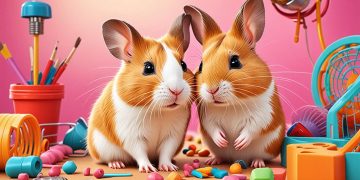
Training Small Animals: Techniques to Teach Hamsters and Rabbits

Discover effective training techniques for small animals like hamsters and rabbits. Emphasize positive reinforcement, consistency, and engaging activities to enhance their learning and strengthen your bond. By understanding their unique behaviors, you can create an enriching environment that fosters trust and improves their overall well-being.

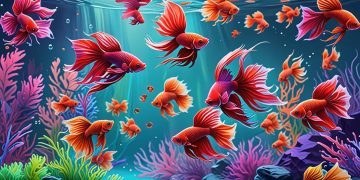
Betta Fish Training Strategies: Creating a Stimulating and Learning Environment

Learn how to transform your betta fish's habitat into a stimulating and engaging environment through effective training strategies. Discover techniques like interactive feeding, enrichment tools, and routine exercises that boost mental stimulation, physical activity, and strengthen the bond between you and your betta, enhancing their overall well-being.

Tricks for Cats: How to Teach Commands and Fun Activities

Training your cat to learn tricks and commands can strengthen your bond while providing mental stimulation. Create a positive environment using rewards and engaging activities like obstacle courses and clicker training. With patience and consistency, you’ll unlock your cat’s potential, turning training into a fun and enriching experience.

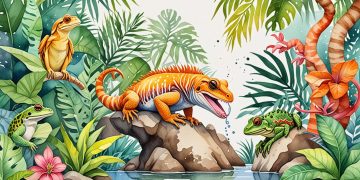
Training Exotic Animals: Approaches to Bonding with Reptiles and Amphibians

This article explores the unique approaches to bonding with reptiles and amphibians during training. It emphasizes patience, understanding species-specific behaviors, and using positive reinforcement techniques to build trust. By creating a stimulating environment and recognizing natural instincts, owners can forge meaningful connections with their exotic pets.

Training Small Breed Dogs: Specific Approaches for Unique Personalities

Effective training of small breed dogs requires understanding their unique personalities, such as energy levels and behavioral traits. Tailored techniques like positive reinforcement, consistency, and socialization enhance learning and foster emotional bonds, ensuring a rewarding training experience for both owners and their beloved companions.

Methods of Training Pets in Urban Environments: Adapting to City Life

Urban pet training addresses unique challenges like noise, limited exercise space, and socialization in bustling environments. Key methods include positive reinforcement, desensitization to stimuli, and consistent routines. By employing these strategies, pet owners can help their furry companions thrive amidst the complexities of city life.

Training Techniques for Rabbits: How to Teach Tricks and Encourage Exercise

Discover effective training techniques for rabbits that enhance their mental stimulation and encourage regular exercise. Build a stronger bond with your furry friend through positive reinforcement, clicker training, and agility activities. Transform your pet's learning experience into fun-filled sessions, promoting a healthy and happy lifestyle.

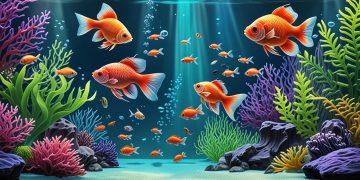
Training Strategies for Aquarium Fish: Creating an Interactive Environment

Explore effective training strategies for aquarium fish by enhancing their environment through enrichment and interactive feeding methods. Understanding fish behavior, utilizing positive reinforcement, and fostering social interactions promote mental stimulation and well-being. Create a vibrant habitat that encourages natural instincts and bonding between aquarists and their aquatic companions.