The Role of Hydration in Pets’ General Health: Tips and Strategies
The Importance of Hydration for Pets
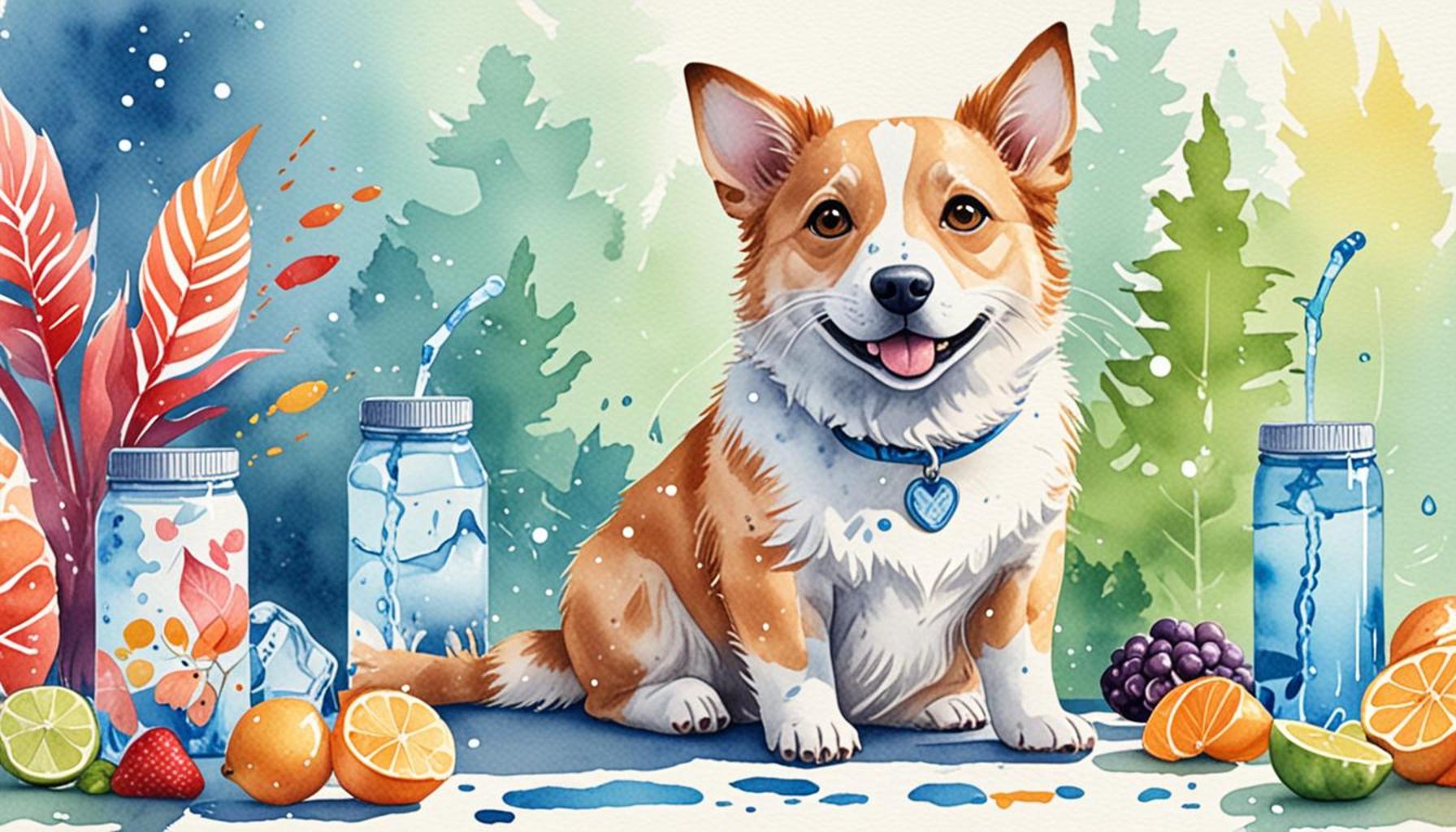
Water is a fundamental element for all living beings, and our pets are no exception. Ensuring that your furry friends have access to fresh, clean water is a simple yet effective way to promote their overall health and well-being. Just as in humans, hydration plays a vital role in various bodily functions in animals, making it essential for every pet owner to prioritize proper hydration.
Key Functions of Water in Pets
The body of an animal relies on water for numerous crucial processes. Below, we elaborate on some of the main ways hydration impacts your pet’s health:
- Regulation of body temperature: Pets can’t sweat like humans, so they rely on staying hydrated to help regulate their body temperature. During hot weather or after intense exercise, adequate water intake is necessary for cooling down through panting and normal physiological functions.
- Improved digestion: Water assists in the digestion process by helping break down food, making nutrients more accessible for absorption. Insufficient hydration can lead to digestive issues, such as constipation or bloating.
- Joint health: Proper hydration is essential for maintaining healthy joints and flexibility. Water helps to lubricate the cartilage and synovial fluid in joints, which is especially critical for active dogs or older pets suffering from arthritis.
Risks of Dehydration
On the other hand, inadequate water intake can have severe consequences. Various health issues, including urinary tract infections, the formation of kidney stones, and even life-threatening kidney failure, have been directly linked to dehydration. Being aware of the signs of dehydration is crucial for early detection and intervention:
- Dry gums or tongue: A quick inspection of your pet’s mouth can provide insights into their hydration levels. Dry or sticky gums may indicate that they are not drinking enough water.
- Loss of skin elasticity: A simple skin test can help assess hydration. Gently pinching the skin between your pet’s shoulder blades can show how quickly it returns to its original position — slower return times may signify dehydration.
- Lethargy: If your once-energetic pet suddenly seems unusually tired or less playful, dehydration could be the culprit affecting their energy levels.
Strategies for Encouraging Hydration
As a pet owner, it’s vital to ensure your animal companions stay well-hydrated. Here are some effective tips to encourage your pet to drink more water:
- Provide multiple water bowls throughout your home to make it easier for your pet to drink at any time.
- Consider adding wet food to their diet, which contains additional moisture, or add water to dry kibble to increase their liquid intake.
- Flavoring water with low-sodium broth can entice picky drinkers, making hydration more appealing.
- For dogs, engaging in outdoor activities such as walks can stimulate their thirst, but always ensure to bring water along during these outings.
Understanding your pet’s water needs is essential — factors like size, breed, age, and activity level all play a significant role in determining how much water they should be consuming. By fostering a proactive approach to hydration, you can help maintain their health and vitality for years to come. In the pursuit of keeping our pets happy and healthy, hydration is indeed a cornerstone of their wellbeing, inviting pet owners to explore further strategies and solutions.
LEARN MORE: Click here for insights on positive reinforcement training
Understanding Your Pet’s Hydration Needs
When it comes to ensuring the health and vitality of your pets, a fundamental understanding of their hydration needs is crucial. Each pet is unique, and various factors determine the amount of water they should be consuming daily. Size, breed, age, and activity level are key considerations when evaluating your pet’s hydration requirements. On average, dogs should drink around 1 ounce of water per pound of body weight each day, while cats may need approximately 4 ounces for every 5 pounds of body weight. However, these figures can vary significantly based on individual characteristics.
Special Considerations for Different Pet Types
Understanding the unique hydration needs of your pets can prevent issues associated with dehydration. For instance, working dogs or those involved in high-energy activities typically require more water due to increased fluid loss through panting and sweating through their paws. Likewise, puppies and kittens need adequate hydration not only for growth but also to support their developing organs. Senior pets may also experience altered hydration needs, making them more susceptible to dehydration.
Moreover, certain breeds are predisposed to specific health conditions. For example, brachycephalic breeds, such as Bulldogs and Pugs, may struggle with regulation of body temperature, necessitating a focus on hydration during warmer months or after vigorous play. By being aware of your pet’s breed and its specific requirements, you can take informed steps to promote proper hydration.
Environmental Factors Influencing Hydration
Environmental elements, such as temperature and humidity, significantly impact your pet’s hydration levels. In hot weather, pets tend to sweat more through their paw pads and pant to cool off, increasing their need for water. Pet owners should be particularly vigilant during summer months, ensuring that water bowls are full and easily accessible. On cold days, however, pets may not drink as much, even if they need to. Therefore, keeping water available and enticing them to drink becomes even more critical.
Additionally, pets that reside in homes with dry indoor air, particularly during winter months when heating systems are running, may experience an increased fluid requirement. To combat this, consider using a humidifier or placing water bowls in warm areas of the home to encourage regular consumption.
Monitoring your pet’s hydration involves not only providing ample water but also checking for signs of dehydration regularly. Incorporating these practices into your daily routine will ensure your pet stays hydrated and healthy.
In summary, a proactive approach to understanding and meeting your pet’s unique hydration needs is paramount. By staying informed about factors influencing hydration and encouraging regular water intake, you can help safeguard their health against the adverse effects of dehydration. As we delve into practical strategies, you will discover ways to enhance your pet’s drinking habits and overall well-being.
The Importance of Hydration in Canine and Feline Health
Hydration is a fundamental component of maintaining optimal health in pets, particularly in dogs and cats. Just like humans, pets rely on water for various bodily functions, including temperature regulation, digestion, and nutrient absorption. A well-hydrated pet can better utilize the nutrients in their food, ensuring that they receive the maximum benefit from their diet.Additionally, proper hydration plays a crucial role in maintaining kidney function. Pets that do not drink enough water may develop urinary tract issues or kidney stones, significantly impacting their overall health. According to veterinary studies, pets that are adequately hydrated are less likely to experience urinary problems, leading to a happier and healthier life.Furthermore, certain breeds are more susceptible to dehydration. For example, brachycephalic breeds, like bulldogs and pugs, tend to overheat easily due to their breathing difficulties. Ensuring that these pets have constant access to fresh water can help mitigate these risks and maintain a healthy body temperature.Recognizing the signs of dehydration in pets is also essential. Common indications include lethargy, dry gums, loss of elasticity in the skin, and excessive panting. If you notice any of these symptoms, it is crucial to provide your pet with water immediately and consult with a veterinarian if the situation does not improve.To encourage pets to drink more water, provide multiple water bowls throughout the house, opt for pet-friendly water fountains, and consider incorporating wet food into their diet. These strategies can enhance your pet’s hydration levels, contributing to their overall well-being.
Top Tips for Ensuring Adequate Hydration
Now that we understand the significance of hydration for our pets let’s explore some practical strategies to keep their water intake optimal. 1. Fresh Water Availability: Always ensure that clean, fresh water is available for your pet. Change the water at least once a day and clean the bowls regularly to prevent bacteria buildup.2. Water Fountains: Many pets are attracted to flowing water. Investing in a pet water fountain may encourage your furry friend to drink more, as the constant movement keeps the water fresher.3. Wet Food Options: Including wet food in your pet’s diet can significantly increase their water intake. This is especially beneficial for cats, who may not always drink enough water.4. Flavoring Water: Consider adding a splash of low-sodium broth to your pet’s water to entice them to drink more. Ensure the broth does not contain any harmful ingredients, such as onions or garlic.5. Regular Monitoring: Pay attention to your pet’s drinking habits. If you notice a significant change in their water intake, consult your veterinarian, as this could indicate potential health issues.By implementing these tips and strategies, you can promote adequate hydration in your pets, paving the way for a healthier and happier life. Remember, a well-hydrated pet is a healthy pet!
DISCOVER MORE: Click here to find out how socializing your pets can enhance their emotional well-being
Practical Strategies to Enhance Your Pet’s Hydration
Ensuring that your pet maintains proper hydration is not just about providing water; it’s about creating an environment that promotes healthy drinking habits. Incorporating a few straightforward strategies can make a significant difference in your pet’s liquid intake, ultimately benefiting their overall health.
Innovative Hydration Solutions
One effective way to encourage your pet to drink more water is by investing in a pet water fountain. These fountains keep water circulating, which entices pets to drink more frequently. Many animals are instinctively drawn to moving water, as it signals freshness. Research has shown that animals are more likely to stay hydrated when they have access to continuously flowing water. Additionally, fountains can filter out impurities and keep water cooler, providing your pet with a more appealing choice.
Another strategy is to incorporate wet food into your pet’s diet. For dogs, adding moisture-rich foods like canned dog food or even preparing homemade meals with broth can significantly increase their overall fluid intake. Similarly, cats typically have lower thirst drives but benefit considerably from wet food. A diet consisting of about 70% wet food can provide a substantial boost in hydration while satisfying their nutritional needs.
Making Water More Appealing
Sometimes, pets may refuse to drink water simply because they find it unappealing. Experimenting with different types of bowls can enhance their drinking enthusiasm. For instance, many pets prefer ceramic or stainless-steel bowls over plastic ones, which can impart undesirable flavors or odors. Moreover, consider varying the bowl’s location — placing it in a quiet, easily accessible spot away from distractions could encourage more frequent drinking.
If your pet seems reluctant to drink plain water, consider enticing them with flavor enhancers. A few drops of low-sodium broth, or blending in their favorite treats can create a more appealing drink. However, it is essential that any additives are safe and nutritionally appropriate for your pet.
Behavioral Monitoring
Monitoring your pet’s hydration status goes beyond just refill checks. Keep an eye out for signs of dehydration, such as decreased energy, dry gums, or loss of skin elasticity. For pets that are particularly active or during warm weather, consider tracking their drinking habits. Some pet owners find it helpful to measure the amount of water their pet consumes daily, ensuring it aligns with their specific hydration needs.
Engaging your pet in a routine that includes regular breaks for water during play or exercise can help instill a more consistent drinking habit. Whether you’re at home or out for a walk, offering water breaks can be vital in preventing dehydration, especially for pets involved in vigorous activities.
Consultation with Your Veterinarian
Ultimately, the best source of information regarding your pet’s hydration needs is your veterinarian. They can offer specific recommendations tailored to your pet’s age, breed, and overall health. Additionally, if you are concerned about your pet’s hydration status, consult with your vet immediately. Regular checkups allow for adjustments in your pet’s diet, lifestyle, and hydration strategy as necessary, ensuring that their health remains a top priority.
By integrating these tips into your routine, you can create a comprehensive hydration plan that promotes your pet’s general health. Understanding their hydration needs and implementing effective strategies will not only keep them refreshed but also support their overall wellbeing.
DIVE DEEPER: Click here to discover how to choose the perfect pet for your family
Conclusion
In summary, ensuring optimal hydration for your pets is a fundamental aspect of their overall health that cannot be overlooked. Hydration influences every physiological function, from digestion to circulation, impacting your furry friends’ vitality and longevity. By implementing the practical tips and strategies discussed — from using pet water fountains to incorporating wet food into their diets — you can transform their drinking habits and encourage consistent fluid intake. Remember, making water appealing is just as crucial as its availability, as many pets are more inclined to drink when they find their choice enticing.
Furthermore, regular monitoring of your pets’ drinking behaviors and being aware of potential signs of dehydration can enable you to act promptly and protect their health. Always consult with your veterinarian for tailored advice based on your pet’s specific needs, ensuring that this essential hydration strategy supports their unique health requirements.
The proactive steps you take today can pave the way for a healthier, happier tomorrow for your beloved companions. By prioritizing hydration, you’re investing in their overall wellbeing, providing them with the energy and endurance to enjoy life to the fullest. As you refine your approach, you may discover not only an improved hydration strategy for your pet but also deepened bonds of trust and care.