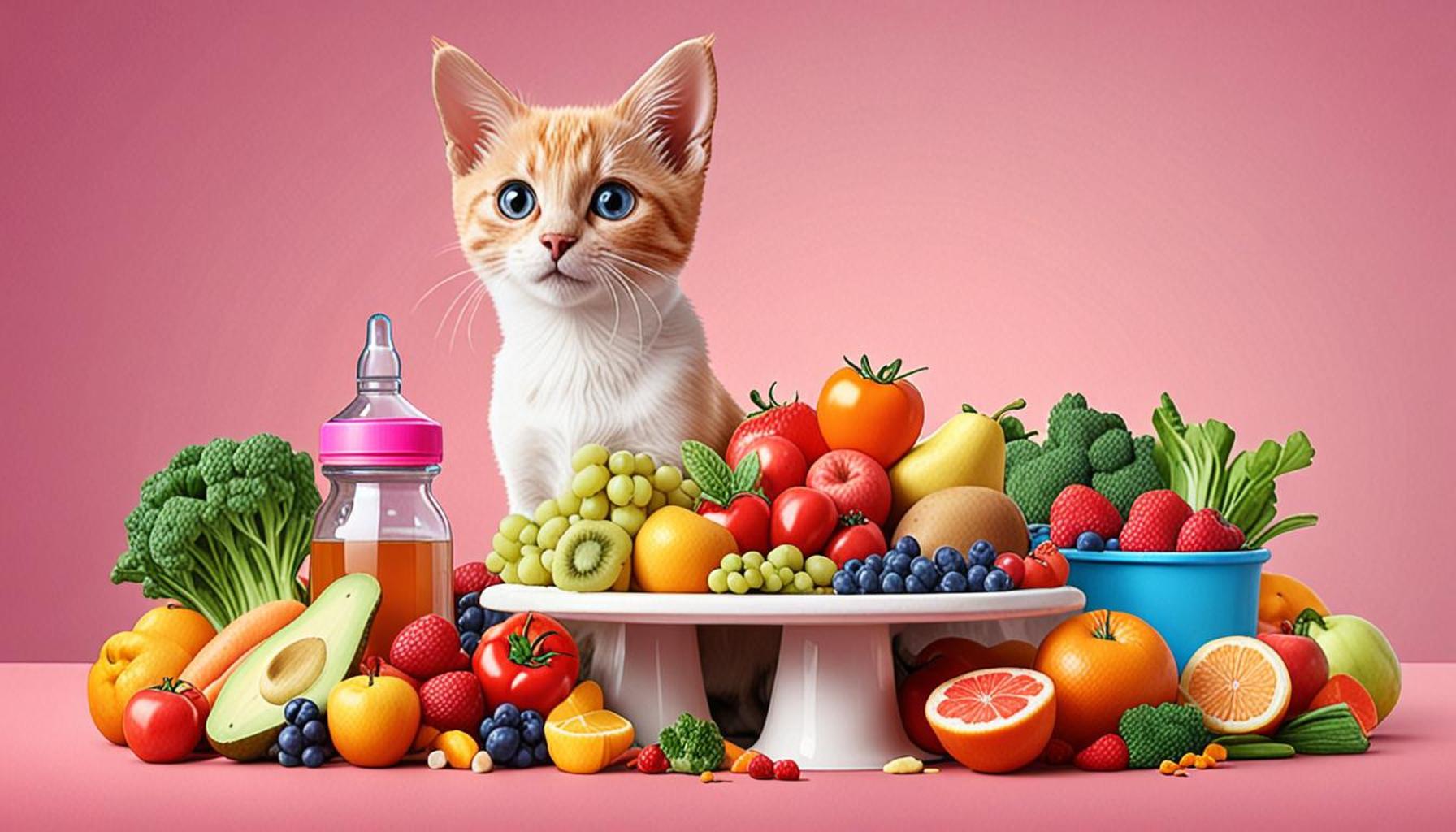
The Importance of Digestive Health for Pet Well-Being

The Importance of Digestive Health for Your Pets
The health of your pet’s digestive system is a key component of their overall well-being, and understanding it can lead to a happier, healthier life for your furry friends. Just like in humans, a well-functioning digestive system is vital for effectively absorbing nutrients, maintaining energy levels, and building robust immune systems. If your pet experiences digestive discomfort or disorders, it can result in numerous complications that detrimentally affect their quality of life and longevity.
Impact of Digestive Issues
One of the most significant issues stemming from poor digestive health is weight management. Pets suffering from gastrointestinal diseases may either struggle with obesity or, conversely, experience malnutrition. For instance, a dog with chronic diarrhea may lose weight despite having a hearty appetite; on the other hand, pets that frequently indulge in table scraps can easily become overweight if their digestion does not keep pace.
Additionally, energy levels are often compromised in pets with digestive concerns. You may notice your four-legged companion is less playful, reluctant to engage in activities they once loved, or simply prefers to rest more than usual. A malfunctioning digestive system can lead to insufficient nutrient absorption, directly affecting your pet’s vitality.
Skin and coat health are also significant indicators of digestive well-being. Nutrients such as omega-3 fatty acids, proteins, and vitamins play a crucial role in maintaining a shiny and healthy coat. A pet’s dull, flaky, or itchy skin could suggest that their body is not absorbing essential elements, possibly due to digestive issues.
Recognizing Digestive Problems
Pet owners must be vigilant about observing any signs of digestive problems. Common symptoms include:
- Vomiting: Frequent or severe vomiting can suggest a serious issue that requires immediate veterinary attention.
- Diarrhea: Loose or watery stools can indicate infections or food intolerances, necessitating dietary adjustments.
- Changes in appetite: Sudden changes, whether an increase or decrease in appetite, can signal underlying health concerns.
Supporting Digestive Health
Maintaining a well-balanced diet tailored to your pet’s specific needs is one of the most effective ways to support their digestive health. High-quality, species-appropriate food—such as kibble formulated for your pet’s breed or age—provides the essential nutrients they require while minimizing the risk of gastrointestinal issues. Consider incorporating natural and probiotic-rich foods that promote gut health, such as plain yogurt or pumpkin puree, which many pets enjoy and can be beneficial.
Lastly, regular vet check-ups are indispensable for early detection of potential problems and for promoting overall digestive wellness. Your veterinarian can recommend appropriate dietary choices based on your pet’s age, weight, and health status, ensuring that they receive top-notch care.
Understanding and prioritizing digestive health empowers pet owners to provide exceptional care for their companions. By taking proactive measures, you can help ensure your pet lives a joyful and healthful life. As you delve deeper into the realm of pet care, you will discover practical tips and insights into fostering your beloved animal’s digestive well-being.
DISCOVER MORE: Click here for essential tips on choosing the perfect pet
Understanding the Role of Digestive Health in Your Pet’s Life
Your pet’s digestive health is intricately linked to their overall well-being, and being aware of this connection is crucial for dedicated pet owners. A well-functioning digestive system not only optimizes the absorption of nutrients but also keeps your pet energetic and nourished. When digestive issues arise, they can manifest in various ways, indicating the need for immediate attention and care.
How Digestive Health Affects Physical Wellness
Gastrointestinal issues can dramatically influence a pet’s physical wellness, manifesting through various symptoms. For example, pets may experience chronic vomiting or diarrhea, both debilitating conditions that can lead to severe dehydration and nutrient deficiencies. A pet battling these persistent problems could also become anxious or withdrawn, as discomfort often affects their mood. Furthermore, prolonged digestive distress can decrease their quality of life, as they may become less interested in play and social interactions.
Moreover, the connection between a pet’s digestive health and their immune system is particularly noteworthy. The gut is home to a large portion of the body’s immune cells; thus, a healthy digestive tract supports a robust immune response. A compromised digestive system can weaken your pet’s defenses against infections and other illnesses, making regular monitoring essential.
Identifying Signs of Digestive Distress
Being vigilant about your pet’s behavior is vital for early identification of digestive problems. Here are some common signs of digestive distress that every pet owner should be aware of:
- Flatulence: Excessive gas can signpost dietary issues or food intolerances.
- Changes in stool quality: Observe for unusual color or consistency, which can provide insights into your pet’s digestive health.
- Behavioral changes: Increased irritability or lethargy can indicate discomfort stemming from gastrointestinal issues.
Paying close attention to your pet’s eating habits is equally important. Sudden changes in appetite—either an increase or a marked decrease—may be symptomatic, signalling gastrointestinal distress that necessitates professional evaluation.
The Connection Between Diet and Digestive Well-being
A balanced diet tailored specifically for your pet’s breed and age plays a significant role in promoting optimal digestive health. High-quality foods often contain the right blend of proteins, carbohydrates, and fats, which can help maintain a healthy gut. Additionally, incorporating digestive supports such as fibers can aid in regular bowel movements and enhance overall digestive function.
Pet owners might also explore the benefits of probiotics, which help cultivate a healthy gut microbiome. Probiotics can be found in certain pet foods or as supplements, and they may assist in mitigating digestive problems by restoring balance to an upset stomach. Moreover, introducing specific natural ingredients known for their digestive benefits, like pumpkin puree or chicken broth, can make a difference in your pet’s health.
In summary, understanding the importance of digestive health is pivotal for pet owners looking to ensure their companions lead vibrant and fulfilling lives. By being proactive in monitoring symptoms, adjusting dietary choices, and collaborating with veterinarians, you can greatly improve your pet’s chances of thriving.
| Advantage Category | Detailed Benefits |
|---|---|
| Enhanced Nutrient Absorption | A healthy digestive system allows pets to absorb essential vitamins and minerals from their food more efficiently, leading to better overall health. |
| Improved Immune Function | A balanced gut flora aids in strengthening the immune system, protecting pets from various diseases and infections. |
| Reduction of Digestive Issues | Maintaining digestive health can significantly lower the chances of conditions such as diarrhea, constipation, and bloating, ensuring the pets are comfortable. |
| Increased Energy Levels | When digestion is optimized, pets receive more energy from their food, resulting in increased activity and vitality. |
Digestive health is a cornerstone of pet well-being, unveiling a myriad of benefits that extend beyond mere digestion. Through attention to their culinary choices and dietary management, pet owners can enhance nutrient absorption, which is vital for sustaining life and promoting fortitude. Ensuring that pets have a thriving gut microbiome can lead to significant improvements in their immune system function, effectively arming their bodies against illnesses that could otherwise detract from their quality of life.Furthermore, the maintenance of digestive efficiency is crucial in minimizing discomfort associated with digestive disorders. Issues like diarrhea or constipation can cause distress not only to the pet but also to the owner. An energized pet, fueled by optimum nutritional uptake, leads to enhanced playfulness and a fulfilling companionship. As we explore the nuances of digestive health, it’s clear that the relationship between a pet’s food and their quality of life is profound and worthy of our deepest insights.
DISCOVER MORE: Click here to learn innovative training techniques for your cat
Practices to Enhance Your Pet’s Digestive Health
While understanding the significance of digestive health and its connection to your pet’s overall well-being is essential, adopting effective practices can significantly enhance their gastrointestinal function. Here are some actionable steps pet owners can take to promote healthy digestion and increase the vitality of their beloved companions.
Regular Veterinary Check-ups
Routine veterinary visits are crucial in safeguarding your pet’s digestive health. Annual or biannual check-ups can help detect underlying digestive issues before they escalate. During these visits, veterinarians may recommend specific blood tests or fecal exams to assess the gastrointestinal system and reveal potential parasites, infections, or other disorders. Staying in tune with your veterinarian’s advice fosters a proactive approach to your pet’s digestive care.
Hydration: The Unsung Hero
Interestingly, hydration plays a fundamental role in maintaining digestive health. Pets require an adequate water supply for digestion and nutrient absorption. Dehydration can lead to dry stools and constipation, complicating digestive issues. Encouraging your pet to drink enough water daily is vital, and in some cases, you might consider introducing wet food into their diet to increase moisture intake. Additionally, you can entice your pet to drink more by using pet-friendly water fountains that keep water fresh and circulating.
Portion Control and Feeding Practices
How and when you feed your pet can significantly influence their digestive health. Overeating can lead to obesity and gastric discomfort; hence, portion control is key. Feeding guidelines based on your pet’s age, size, and activity level provided by veterinarians or pet food brands should be monitored carefully. Moreover, feeding multiple smaller meals throughout the day rather than one or two large meals can alleviate pressure on the digestive system and facilitate better nutrient absorption.
The Power of Chewing and Texture
The texture of food also matters in promoting digestive health. Many pets benefit from a combination of dry kibble and wet food. Dry food encourages chewing, which breaks down the food and stimulates salivation—both important for effective digestion. Furthermore, the act of chewing can aid in reducing anxiety and boredom in pets, contributing to their emotional health as well.
Understanding Food Allergies and Sensitivities
Pet owners should remain vigilant regarding food allergies and sensitivities, which can lead to significant digestive troubles. Common allergens include gluten, dairy, and certain proteins. If you notice symptoms such as itching, skin irritations, or recurrent digestive upset, consult your veterinarian about trying an elimination diet to pinpoint specific triggers. This process can help you identify the optimal food that satisfies your pet’s nutritional needs while minimizing digestive distress.
Supplementing with Natural Remedies
Integrating natural supplements can further support your pet’s digestive health. Ingredients like digestive enzymes can aid in breaking down food more efficiently, while fiber supplements help maintain regular bowel movements. Always discuss these options with your veterinarian to ensure they are appropriate for your pet’s specific health conditions.
With these practices, pet owners can harness their knowledge of digestive health to create a nurturing environment that fosters their companion’s well-being and longevity. By prioritizing digestive wellness, we can pave the way for happier, healthier pets ready to embrace life.
DISCOVER MORE: Click here for the complete guide on pet food
Conclusion: Prioritizing Your Pet’s Digestive Health
In our journey as pet owners, the significance of digestive health cannot be overstated. A pet’s digestive system is an intricate network responsible for breaking down food, absorbing vital nutrients, and expelling waste. When functioning optimally, it not only supports adequate nutrient absorption but also plays a crucial role in maintaining energy levels, influencing mood, and enhancing overall vitality. For instance, a dog with a robust digestive system is likely to exhibit playful behavior and engage actively in daily activities, while a cat with digestive issues might show signs of lethargy or irritability.
Embracing a comprehensive approach to our pets’ health means prioritizing regular veterinary check-ups. These visits can serve as a cornerstone for early detection of potential issues, ensuring that dietary interventions can be implemented timely. Additionally, proper hydration and portion control are essential. It is important to provide an appropriate amount of food based on your pet’s size, age, and activity level while also ensuring access to fresh water at all times. Moreover, understanding food sensitivities is paramount; just as humans experience intolerances, pets, too, can react adversely to certain ingredients, manifesting symptoms such as bloating or diarrhea.
Individualized Dietary Choices
Recognizing the unique needs of each pet leads to the formulation of tailored dietary options that can enhance digestive wellness. For instance, dogs with grain sensitivities may benefit from grain-free diets that utilize alternative sources of carbohydrates like sweet potatoes or peas. Meanwhile, some cats thrive on high-protein diets enriched with omega-3 fatty acids to promote gut health. The usage of natural supplements can further bolster digestive health. Probiotics, for example, introduce beneficial bacteria into the gut, aiding in digestion and reducing gastrointestinal discomfort.
Furthermore, being vigilant to signs of digestive distress—such as vomiting, excessive gas, or changes in appetite—equips pet owners to intervene early. A proactive mindset ensures that you’re not only contributing to a longer life for your beloved companion but also enhancing their quality of life. By making informed choices about diet and care, we can nurture happier, healthier pets, enriching our lives with their companionship.
With a deeper understanding of the profound impacts that digestive health has on our furry friends, let us commit to making enlightened decisions that support their well-being. Together, we can embark on a path that not only fosters a healthier digestive system but also cultivates a stronger bond with our pets. Embrace this knowledge today and take affirmative actions toward optimizing your pet’s health!