The Importance of Dental Hygiene in Pets: Tips for Keeping Your Pet’s Teeth Healthy
Understanding Pet Dental Health
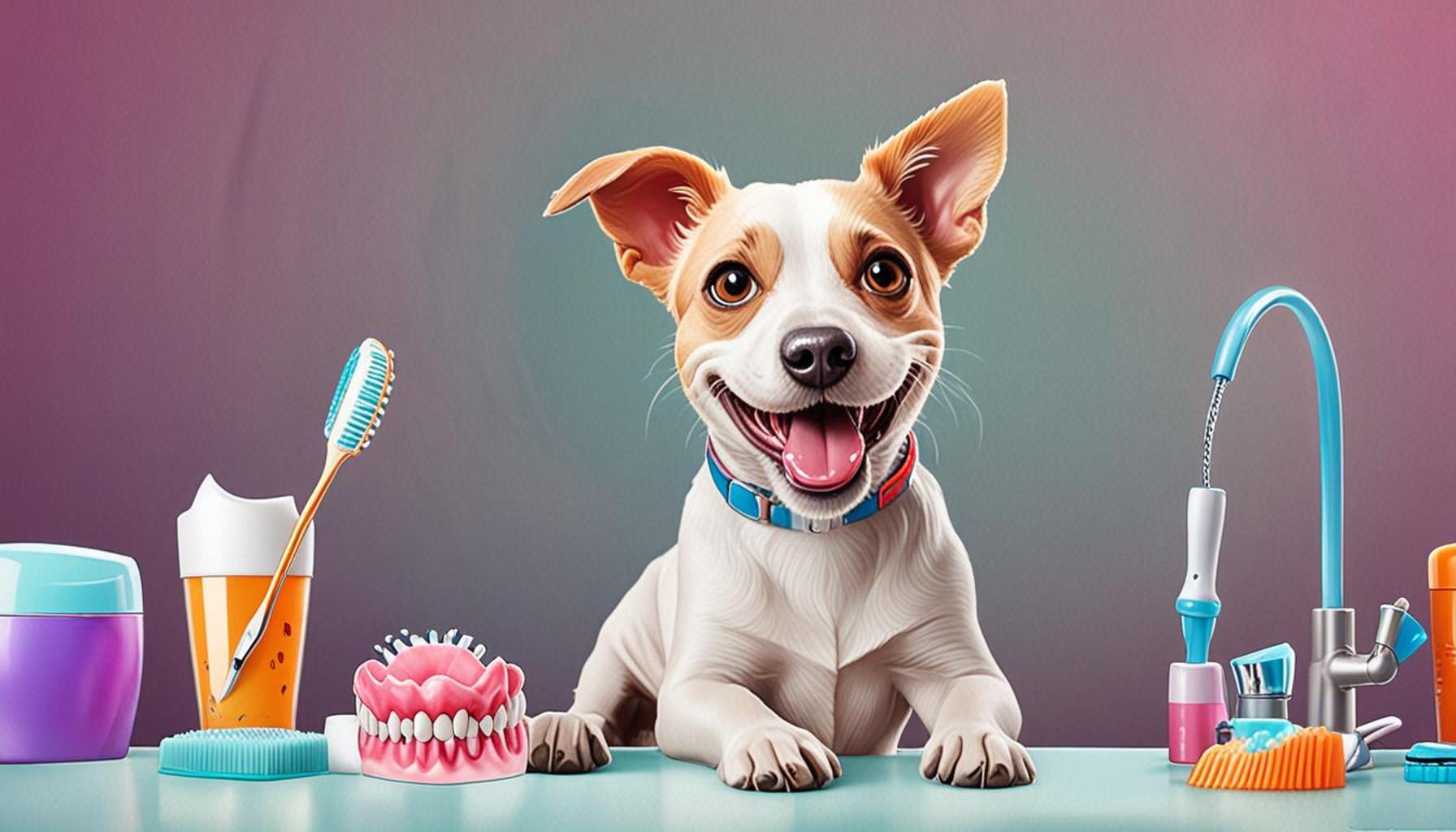
Just like humans, pets require proper dental care to maintain their overall health. Neglecting dental hygiene can lead not only to tooth decay but also severe health risks that affect vital organs. In fact, studies reveal that over 80% of dogs and 70% of cats show signs of oral disease by age three. This alarming statistic underscores the importance of proactive dental care for our furry companions.
Why Dental Hygiene Matters
Good dental hygiene for pets is crucial for various reasons:
- Preventing gum disease: Chronic inflammation of the gums can lead to periodontal disease, which can cause pain, tooth loss, and serious infections. This bacterial infection may even enter the bloodstream, affecting the heart, liver, and kidneys.
- Avoiding bad breath: Chronic bad breath, or halitosis, is often a sign of underlying dental problems. It is not just an aesthetic issue; it can indicate deeper health concerns that need immediate attention.
- Enhancing quality of life: Healthy teeth lead to better eating habits and improved overall health. Pets suffering from dental issues may be reluctant to eat or play, which can lead to obesity or other health complications.
Pet owners often underestimate how dental issues can affect their pet’s quality of life. Regular dental check-ups and at-home care can significantly enhance your furry friend’s well-being. For instance, just like humans visit the dentist for cleanings and check-ups, it’s essential that pets undergo regular dental examinations by a veterinarian to catch any problems early.
To effectively care for your pet’s teeth, consider these essential tips: brush their teeth regularly with pet-safe toothpaste, provide dental chews or toys that promote oral health, and maintain a balanced diet that supports dental hygiene. Scheduling professional cleanings can also help prevent tartar buildup and gingivitis. In the United States, many veterinary clinics offer dental care packages that can further ease your pet’s dental health journey.
Also, keep an eye out for warning signs such as difficulty chewing, persistent drooling, or bleeding gums. All these signs warrant a visit to the vet. By staying vigilant and proactive about your pet’s dental care, you can ensure their health and happiness for years to come.
LEARN MORE ABOUT: Click here for practical tips
Essential Tips for Maintaining Your Pet’s Dental Health
As a pet owner, it is crucial to understand that maintaining your furry friend’s dental hygiene is not merely an option—it’s a necessity. By engaging in regular dental care routines, you can help prevent a multitude of health issues that arise from poor dental hygiene. Here are key practices to implement for keeping your pet’s teeth healthy:
Regular Teeth Brushing
Brushing your pet’s teeth is the most effective way to keep their dental health in check. For many pet owners, the mere thought of brushing their pet’s teeth can be intimidating—but it doesn’t have to be. Start by introducing tooth brushing gradually. Use a finger brush or a soft-bristled pet toothbrush along with a toothpaste specifically formulated for pets, as human toothpaste can be harmful. Aim to brush your pet’s teeth at least two to three times a week, if not daily.
Dental Chews and Toys
Another excellent method to aid in your pet’s oral care is through dental chews and toys. These items are designed to not only keep your pet entertained but also help clean their teeth as they chew. Look for products that are approved by dental health organizations and specifically mention their effectiveness in reducing plaque and tartar build-up. Regular chewing can assist in scraping away food particles and preventing gum disease, making this an enjoyable and beneficial addition to your pet’s daily routine.
Proper Nutrition
A balanced diet plays a vital role in your pet’s overall dental health. High-quality pet food often contains ingredients that contribute to gum health. Additionally, certain dry kibble can help in reducing plaque buildup. Look for brands that feature dental health benefits on their labels. Consult your veterinarian for personalized recommendations based on your pet’s breed, age, and specific health needs; they might even suggest food with specialized dental formulas.
Regular Vet Visits
Ultimately, scheduling regular veterinary check-ups is essential in securing your pet’s dental health. A licensed veterinarian will perform comprehensive oral examinations and professional cleanings to detect potential problems before they escalate. Most veterinarians recommend annual or bi-annual dental check-ups, which can identify advanced dental issues that might go unnoticed. Investing in your pet’s dental care can significantly decrease the risks of serious health complications down the line.
In summary, pet dental hygiene requires a combination of at-home care, dietary considerations, and professional veterinary support. By adopting these habits early on, you can help your pet maintain a bright and healthy smile, leading to a longer and happier life. Be vigilant and proactive, because a little effort can make a world of difference in your pet’s health and happiness.
Maintaining your pet’s dental hygiene is crucial for their overall health and happiness. Just like in humans, dental disease can lead to serious health issues in pets, ranging from infections to organ damage. Regular dental checkups with your veterinarian are essential, as they can identify potential problems early and provide necessary treatments. Moreover, incorporating dental care into your pet’s routine can significantly reduce the risk of periodontal disease.
One of the most effective methods for ensuring your pet’s dental health is through daily brushing. Using pet-specific toothpaste and toothbrushes can make this task easier and more effective. Even if it seems challenging at first, starting early and being consistent can help your pet get used to the process. Additionally, there are various dental chews and toys available that can aid in cleaning your pet’s teeth while providing entertainment.
Diet also plays a vital role in dental health. Specially formulated dental diets can help reduce plaque and tartar build-up. However, be cautious and stay informed about which products are best for your pet. Consulting with your veterinarian about the most appropriate diet can provide valuable insight into what will help keep your pet’s teeth healthy.
Besides these methods, it’s essential to pay attention to your pet’s breath. Foul-smelling breath can be an indicator of dental problems. Monitoring changes in your pet’s oral health and making regular vet appointments can prevent severe dental issues.
In addition, consider incorporating dental water additives that can help reduce plaque and tartar formation, making daily dental care easier and more effective. These products can be a beneficial supplement to your pet’s oral hygiene regimen.
| Category | Description |
|---|---|
| Preventive Care | Regular checkups identify dental issues early, preventing complications. |
| Daily Brushing | Daily brushing with pet-specific toothpaste reduces plaque and promotes oral health. |
| Dental Products | Dental chews and toys can clean teeth while keeping your pet entertained. |
| Diet Considerations | Specialized dental diets help reduce plaque and tartar buildup effectively. |
By prioritizing your pet’s dental hygiene, you can ensure a healthier and happier life for them. The importance of maintaining their oral health cannot be overstated, as it ultimately affects their overall well-being.
DISCOVER MORE: Click here to learn about balanced nutrition for your pet
Understanding the Consequences of Neglecting Dental Care
While it’s clear that proper dental hygiene is fundamental for your pet’s health, it’s equally important to understand what happens when this aspect of care is overlooked. Poor dental hygiene can lead to a myriad of health issues not just localized to the mouth but extending throughout the body. Here’s why you should place an emphasis on maintaining your pet’s dental health:
The Risk of Periodontal Disease
One of the most common conditions affecting pets is periodontal disease. This disease typically begins as gingivitis—an inflammation of the gums resulting from the buildup of plaque. If left untreated, gingivitis can evolve into a more severe form of periodontal disease, where the supporting structures of the teeth are compromised. In fact, studies indicate that nearly 80% of dogs and 70% of cats show signs of dental disease by the age of three, reflecting the critical need for preventive measures early in their lives.
Potential for Pain and Discomfort
Neglecting your pet’s dental care can lead to severe pain and discomfort, often evident through behavioral changes such as reluctance to eat, a drop in energy levels, or excessive drooling. Pets may also develop bad breath, clinically known as halitosis, which can be a significant indicator of underlying dental issues. If your pet is expressing any signs of distress, promptly addressing their dental hygiene should be a top priority.
Systemic Health Connections
Alarmingly, poor dental hygiene can lead to systemic health concerns beyond the mouth. Infections stemming from periodontal disease can have far-reaching consequences, potentially affecting vital organs such as the heart, liver, and kidneys. Research highlights a correlation between dental disease and conditions like heart disease, as bacteria from the mouth can enter the bloodstream and travel to the heart, leading to endocarditis. Ensuring your pet maintains good dental hygiene is not just about keeping their mouth clean; it’s a preventive measure for their overall health.
Educating Yourself and Others
A significant aspect of advancing pet dental care involves education. Engaging in community discussions, attending veterinary workshops, or even reading educational materials can enhance your understanding of the importance of dental hygiene in pets. Share this information with fellow pet owners; awareness can pave the way for healthier pets across the board. Consider looking into local resources or online platforms dedicated to pet health that offer tips and advice from veterinarians and pet health experts.
Integrating Daily Dental Care Routines
Creating a tailored daily care routine focused on dental hygiene can significantly improve your pet’s oral health. This might include a combination of brushing, offering dental-friendly treats, and even incorporating oral rinses that can help in reducing plaque and promoting fresh breath. Using these varied approaches can make dental care less of a chore and more of an ingrained part of your pet’s daily regimen.
By proactively addressing dental hygiene, pet owners can avoid the pitfalls of neglect and contribute to their pet’s long-term health and happiness. Remember, your pet relies on you to ensure their well-being—let their dental care reflect the love and commitment you have for them.
DON’T MISS: Click here for essential pet preparation tips
Conclusion: Elevating Your Pet’s Health Through Dental Hygiene
Ultimately, the significance of dental hygiene in pets cannot be overstated. From preventing painful conditions like periodontal disease to averting serious systemic health issues, maintaining your pet’s oral health is a multifaceted responsibility that every pet owner must embrace. Regular dental care isn’t merely an add-on to your pet’s routine; it’s an essential component that contributes to their overall well-being and quality of life.
By integrating simple practices such as daily brushing, incorporating dental treats, and scheduling routine veterinary check-ups, you can foster a healthier mouth and improve your pet’s happiness and vitality. The journey to optimal pet dental health starts with awareness, proactive care, and a willingness to engage in a consistent routine.
Moreover, spreading the word about the importance of dental hygiene will not only benefit your own pet but also create a ripple effect that leads to healthier communities of pets across the nation. The fight against neglect in pet dental care begins with informed owners eager to advocate for their furry companions.
In conclusion, your pet’s dental health is in your hands. Prioritize it as part of their holistic care, and you will undoubtedly build a stronger bond with your beloved animal while ensuring they lead a long and fulfilling life.