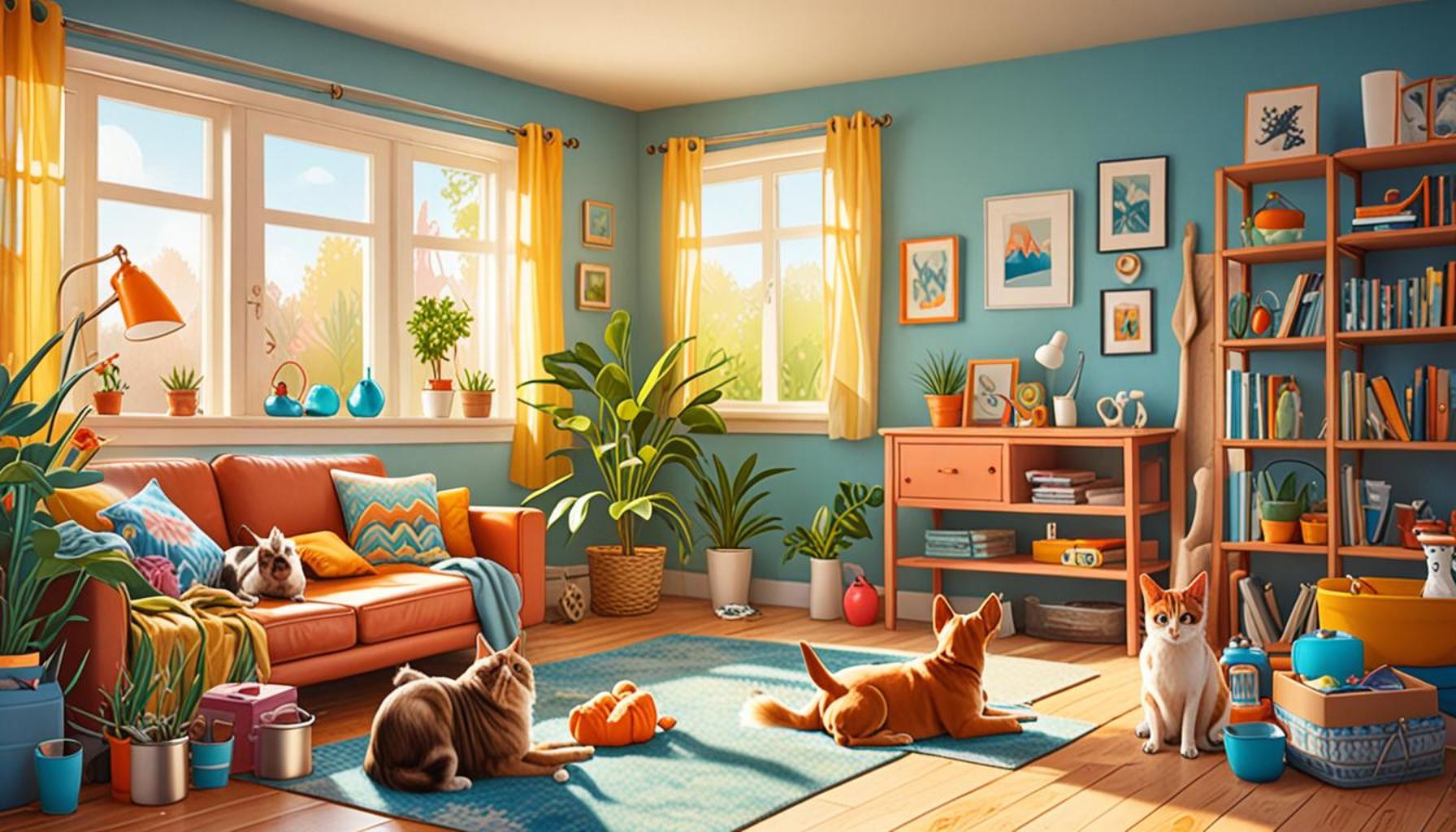
Strategies to Overcome Stress in Adopted Animals in New Homes

Understanding Stress in Adopted Animals
Welcoming a new pet into the home is an exciting time, but it can also be a significant source of stress for adopted animals. The transition from a shelter or previous environment to a new home can be overwhelming for pets, who often lack an understanding of why they have been separated from their familiar surroundings. This dislocation can create anxiety and fear in animals, making it crucial for adopters to be aware of how stress manifests.
Signs of Stress in Adopted Pets
Many adopted animals experience stress as they adapt to their new lives. It’s vital to recognize the signs early, as this awareness can lead to more effective management strategies:
- Changes in behavior: Increased hiding or aggression can indicate a pet feels threatened or unsafe in their new environment. For example, a formerly social dog may suddenly withdraw from interactive playtime.
- Physical symptoms: Pets may exhibit changes in their physical health, such as loss of appetite or excessive grooming, which is often a sign of stress-related anxiety. A cat may excessively groom itself, leading to fur loss or skin irritations.
- Vocalizations: Excessive barking or meowing can signal distress. For example, a dog may bark incessantly at unfamiliar sounds or people, indicating a need for adjustment and reassurance.
By understanding these behaviors, guardians can identify the root cause of their pet’s stress and implement effective strategies to help them feel secure and comfortable.
Strategies for a Smooth Transition
Creating a supportive environment is essential for adopted animals to mitigate their stress. Here are a few strategies to consider:
- Routine: Establishing a consistent daily schedule for feeding, walks, and playtime can provide a sense of stability for your pet. Just like humans, animals thrive on predictability, which can help reduce anxiety.
- Safe space: Providing a quiet area for your pet to retreat and feel secure is crucial. This could be a cozy bed in a corner of the room or a dedicated room where they can relax without disturbances, ideal for times when they need a break from household activity.
- Positive reinforcement: Using treats and praise to build trust and encourage good behavior can be very effective. For instance, rewarding your pet for exploring their new environment or responding positively to commands can help them feel more secure and assured in their new home.
With patience and understanding, you can help your adopted animal thrive in their new home, turning anxiety into comfort and joy. Spending quality time bonding through play and gentle interaction will further help in easing their transition.
In conclusion, recognizing the signs of stress and employing thoughtful strategies can make a significant impact on an adopted pet’s adjustment period. By actively engaging in these practices, pet guardians can substantially improve their furry companions’ emotional well-being, leading to a happy and fulfilling relationship.
LEARN MORE: Click here for essential senior pet care tips
Creating a Safe and Supportive Environment
When bringing an adopted animal into a new home, the primary goal should be to create a safe and supportive environment. This is essential in minimizing stress and helping the animal adjust. Whether it’s a dog that has spent time in a shelter or a cat rescued from an uncertain situation, your home must become a sanctuary for them.
Establishing a Routine
One effective strategy for reducing stress in adopted pets is establishing a predictable daily routine. A consistent schedule for feeding, exercise, and playtime offers animals a sense of security and control. Pets thrive on predictability, as it simplifies their world and reduces anxiety. For example, feeding your dog at the same time every morning and evening can create a comforting structure.
- Feeding schedule: Keep feeding times consistent to help your pet know when to expect meals. This can also mitigate food-related anxiety.
- Exercise routine: Regular walks or play sessions foster a sense of routine while providing physical and mental stimulation, crucial for reducing stress levels.
- Playtime: Allocate specific times for interactive play, which helps strengthen your bond while providing a much-needed outlet for energy.
Integrating these elements into your pet’s daily life empowers them, fostering a feeling of stability that is essential for recovery from the emotional upheaval of adoption.
Creating a Safe Haven
In addition to establishing a routine, it’s important to create a dedicated safe space within your home where your new pet can retreat when feeling overwhelmed. This area should be quiet and calm, away from the hustle and bustle of daily activities. Common elements to consider when designing this sanctuary include:
- Comfortable bedding: Provide a cozy bed or blanket where they can snuggle up and relax, giving them a tangible sense of security.
- Access to toys: Including some favorite toys can help comfort your pet and encourage independent play, alleviating stress.
- Low foot traffic: Avoid placing this resting area in high-traffic zones to ensure your pet can retreat without disruption.
By offering a safe haven, your adopted animal can take necessary breaks to recharge, thus easing their transition into a new and unfamiliar home effectively.
In summary, the path to overcoming stress in adopted animals starts with creating predictable routines and safe spaces. These foundational strategies not only help ease the emotional turmoil of adjustment but also foster a loving environment where pets can thrive, ensuring long-term happiness for both the pet and guardian.
| Category | Description |
|---|---|
| Environmental Enrichment | Introducing interactive toys, scratching posts, and climbing structures helps stimulate mental activity and reduces anxiety. |
| Routine and Structure | Establishing a consistent daily routine adds predictability, which can be comforting for animals adjusting to a new home. |
| Positive Reinforcement Training | Using treats and praise to reinforce good behavior fosters trust and strengthens the bond between the pet and the owner. |
| Safe Spaces | Creating designated areas where pets can retreat to relax provides them with a sense of security, crucial in their adjustment period. |
| Socialization Opportunities | Gradually introducing pets to new people and environments helps them build confidence, reducing their overall stress levels. |
Fostering a healthy adjustment for adopted animals in new homes is crucial for their well-being. Environmental enrichment not only engages their instincts but also acts as a natural stress reliever. Implementing routine and structure can transform disorienting experiences into familiar pathways, aiding in smoother transitions. Moreover, adopting positive reinforcement training techniques will not only make the training process more enjoyable for pets but also solidify the human-animal connection.Creating safe spaces allows pets to retreat whenever they feel overwhelmed, enhancing their feeling of security in a new and unfamiliar environment. Lastly, providing socialization opportunities should be approached gradually, allowing pets to explore interactions at their own pace. Each of these strategies is essential to facilitate a stress-free transition into their new homes, enriching their lives while alleviating anxiety.
DISCOVER MORE: Click here to learn about essential nutrients for your pets
Building Trust Through Positive Interactions
Another essential strategy in easing stress for adopted animals is building trust through positive interactions. Transitioning into a new household can be daunting for pets, especially those with previous negative experiences. Therefore, creating opportunities for positive reinforcement is paramount in establishing a lasting bond.
Using Positive Reinforcement Techniques
Positive reinforcement involves rewarding desired behaviors rather than punishing unwanted ones. This approach encourages animals to feel more secure and motivated to learn new things. Strategies include:
- Treats and rewards: Use small, tasty treats to reward your pet for following commands or engaging in positive behaviors. This helps them associate their new environment with positivity.
- Praise and affection: Verbal praise and gentle petting reinforce good behavior, fostering a feeling of safety and companionship.
- Clicker training: Incorporating a clicker can help reinforce good behavior more effectively, as the distinct sound creates a clear association between action and reward.
By focusing on a positive reinforcement strategy, you can help alleviate stress and anxiety, ultimately enabling your adopted animal to flourish in their new surroundings.
Socialization Opportunities
Providing socialization opportunities is also crucial to reduce stress levels in adopted pets. Animals that have been in shelters may not have had ample opportunities to interact with people or other animals, leading to anxiety in social situations. Structured socialization can include:
- Supervised playdates: Invite friends with well-mannered pets over to your home for controlled play sessions. This can allow your adopted pet to learn social cues from other animals.
- Pet classes: Enrolling your dog in basic obedience or agility classes not only helps with training but also exposes them to new environments and people, aiding in their adjustment.
- Frequent outings: Taking your pet on walks in various settings, such as parks or pet-friendly stores, allows them to experience new stimuli while remaining securely by your side.
The goal is to create a rewarding experience for your pet, helping them build confidence while they learn to navigate their new world.
Monitoring Stress Signals
To effectively manage and alleviate stress in adopted animals, it’s essential to monitor stress signals. Understanding your pet’s body language and behavior can help you identify when they are feeling overwhelmed. Some signs to watch for include:
- Hiding: If your pet retreats to their safe haven frequently, it may indicate they are feeling anxious.
- Excessive barking or vocalizations: This can signal distress or discomfort in their new environment.
- Aggression or avoidance: Signs such as raised hackles or a refusal to engage can indicate fear or stress.
By recognizing these signals early, you can take proactive measures to alleviate their stress, such as providing a quiet space, engaging in gentle, calm interactions, or consulting a veterinarian or animal behaviorist if necessary. Understanding your pet’s needs is a vital step in making their transition as smooth as possible, thus ensuring their long-term well-being.
LEARN MORE: Click here to discover essential tips for your pet’s health
Conclusion
The journey of adopting a pet is filled with joy and companionship, yet it can also present challenges, particularly in managing stress as they acclimate to their new home. Understanding and implementing strategies to overcome stress in adopted animals is crucial not only for the well-being of the pet but also for fostering a harmonious relationship with the new family. Key approaches include establishing trust through positive interactions, providing ample socialization opportunities, and actively monitoring stress signals to respond promptly to their needs.
By employing positive reinforcement techniques, such as utilizing treats, praise, and engaging in clicker training, owners can create enriching experiences that help their pets build confidence and security. Furthermore, exposing adopted animals to controlled social settings, such as supervised playdates and pet classes, aids in their adaptation and eases anxiety around unfamiliar situations and faces.
Lastly, being vigilant about recognizing stress signals can make a profound difference in their adjustment period. Educating oneself on animal behavior and understanding the subtle cues of stress—hiding, vocalizations, and aggression—enables owners to create a supportive atmosphere. As you embark on the rewarding journey of pet adoption, remember, your patience, compassion, and commitment are the keys to transforming their experience from overwhelming to fulfilling. By promoting an environment where your pet feels safe, loved, and understood, you set the stage for a long, happy life together.