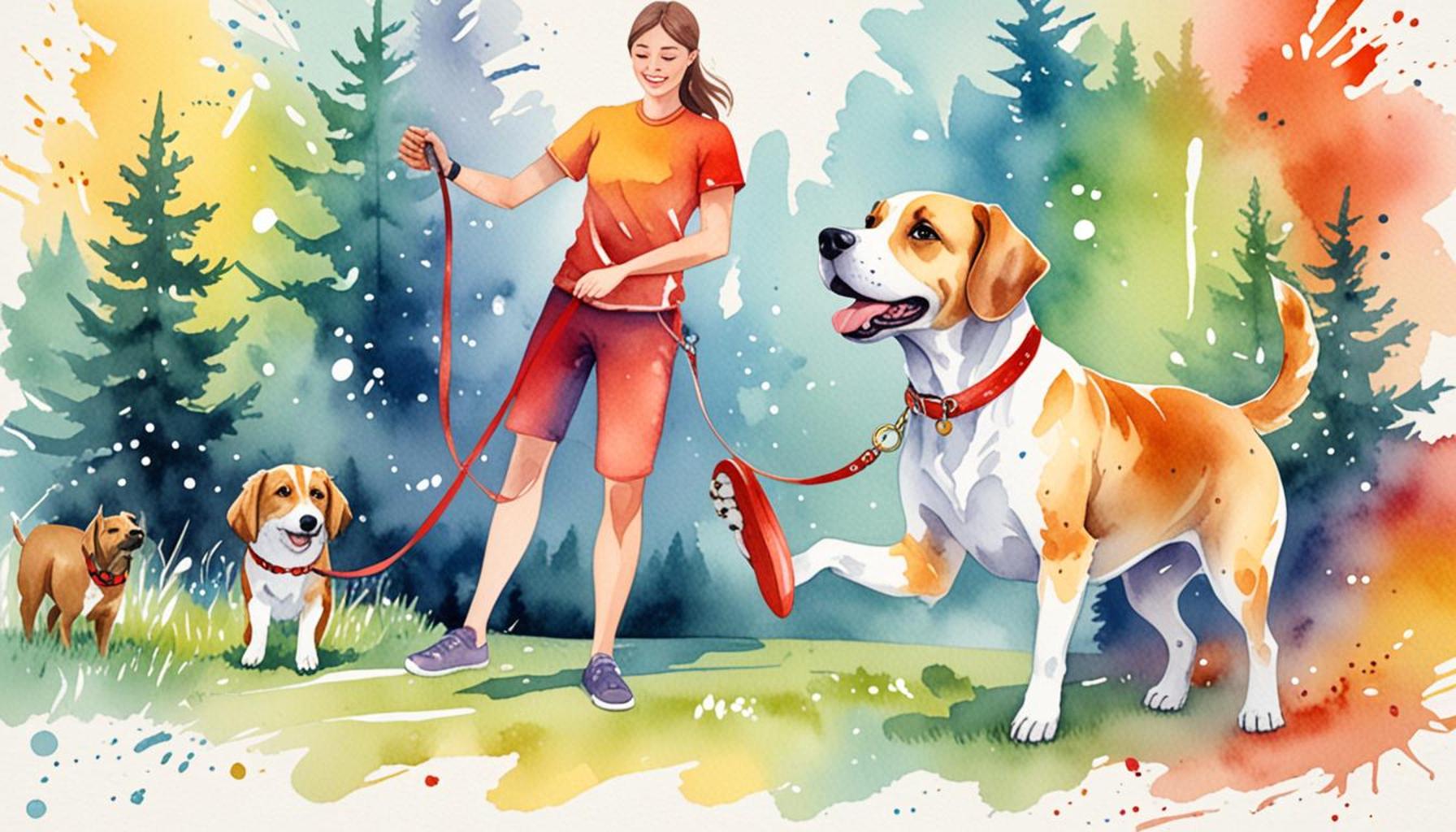
Service Dog Training: Specific Techniques for Functional Skills
Understanding Service Dog Training
Service dogs are remarkable companions that provide invaluable assistance to individuals with disabilities. Training these dogs requires specific techniques tailored to developing functional skills that enhance their owners’ quality of life. By understanding the various training methods employed, one can better appreciate the profound impact these animals have on their handlers and families.
Key Benefits of Service Dog Training
- Increased Independence: Service dogs empower their owners to perform daily tasks that they might struggle to accomplish alone. For instance, a person with limited mobility may rely on a service dog to open doors, fetch medication, or even assist in dressing. This assistance fosters a sense of autonomy, allowing individuals to engage more confidently in social and community activities.
- Enhanced Mobility: For individuals with physical disabilities, service dogs can provide critical support during navigation. These highly trained canines might help with tasks such as steadying their handler while walking or ensuring safe passage through crowded places. The partnership between a service dog and its handler often creates a smoother, less anxious travel experience.
- Emotional Support: Beyond physical assistance, service dogs play a significant role in providing comfort and companionship to those facing mental health challenges, such as anxiety or PTSD. The mere presence of a service dog can reduce stress levels and promote a sense of calm. Furthermore, these dogs are trained to recognize signs of distress and respond accordingly, often through comforting behaviors, promoting emotional resilience.
Different techniques are utilized to train service dogs for various tasks, ensuring they can meet the unique needs of their handlers. For instance, dogs might be trained to:
- Retrieve items: Service dogs can assist those with mobility challenges by fetching necessary items like water bottles, phones, or remote controls, thus reducing the risk of injury by eliminating unnecessary movements.
- Alert: Some service dogs are specifically trained to alert their handlers to medical emergencies, such as signaling an impending seizure or low blood sugar episode. These alerts can be life-saving, providing enough time for the handler to seek medical assistance or take preventative measures.
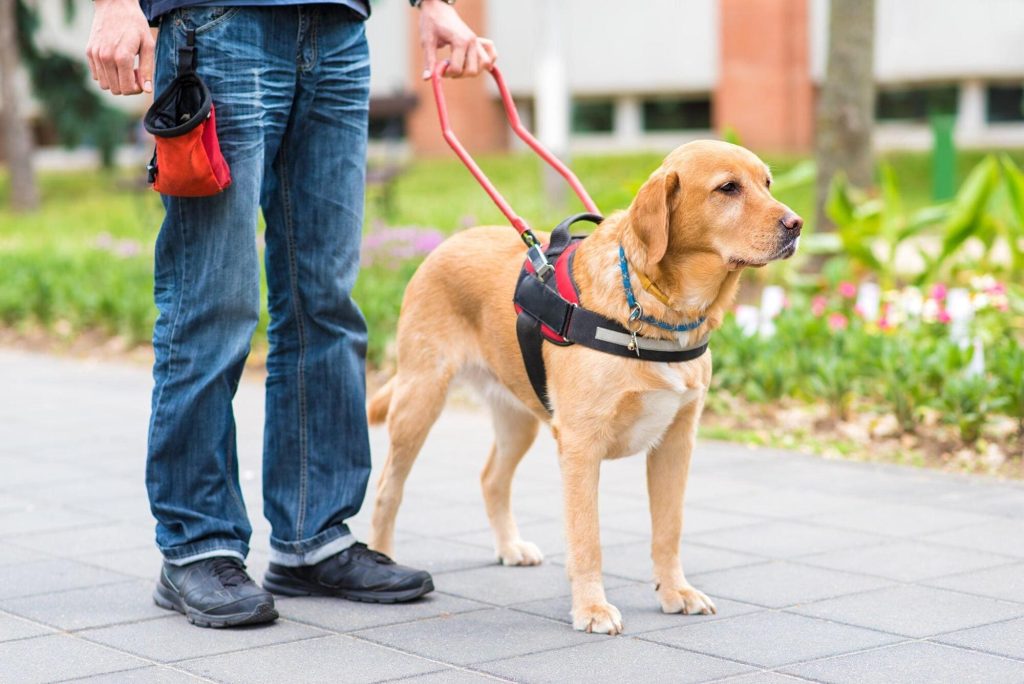
- Guide: Service dogs trained as guide dogs provide essential support for visually impaired individuals. They navigate obstacles, signal changes in elevation, and help their handlers cross streets safely.
By focusing on specialized training methods, handlers can ensure their service dogs learn essential skills that will make a meaningful difference in their day-to-day lives. Training typically incorporates positive reinforcement techniques, where desirable behaviors are rewarded, making the learning process enjoyable for the dog. As this article explores various service dog training techniques and their applications in functional skills, readers will gain insight into effective practices that empower both dogs and their handlers, leading to a more integrated and supported life.
DIVE DEEPER: Click here to learn more about pet nutrition
Techniques for Effective Service Dog Training
When it comes to service dog training, specific techniques are pivotal to ensuring that these dogs can perform their designated tasks effectively and reliably. Each technique is developed with a particular focus on the functional skills that enhance the lives of individuals with disabilities. By implementing a structured training approach, handlers create a bond of trust and cooperation with their service dogs that allows for seamless teamwork in real-world situations.
Positive Reinforcement Methods
One of the most widely used techniques in service dog training is positive reinforcement. This method involves rewarding desirable behaviors to encourage repetition. For instance, when a dog successfully retrieves an item for its handler, treats or praise are given as immediate rewards. This approach not only boosts the dog’s motivation but also reinforces the behavior, making it more likely to occur in the future. Insistence on a reward-based system leads to happier, more engaged dogs that are eager to learn and assist.
Task-Oriented Training
Another essential technique is task-oriented training, which focuses on teaching dogs specific skills tailored to their handlers’ needs. This can vary significantly, depending on the individual’s disability. Examples of tasks include:
- Opening and closing doors: Service dogs can be trained to assist individuals in navigating spaces by pulling or pushing doors, allowing for easy passage.
- Carrying items: Dogs can be trained to carry small backpacks or bags with essential items, providing assistance during outings.
- Providing physical support: Dogs may also be trained to brace themselves against their handler, providing stability while walking or transferring from one location to another.
Moreover, the concept of generalization is critical in this phase, as it ensures that the dog can perform tasks in various settings and situations. A service dog must react appropriately to different environments, whether at home, in a public space, or while traveling.
Socialization and Public Access Training
An often overlooked yet critical facet of service dog training is socialization. Service dogs must be exposed to various stimuli—noisy environments, crowded spaces, and unfamiliar faces—to create a well-adjusted and confident animal. This exposure reduces the likelihood of anxiety-based behaviors, ensuring that the dog remains focused on its tasks while navigating the complex world with its handler. Training programs will often incorporate public access training, where the dog learns to behave appropriately in different scenarios, from busy supermarkets to public transport.
In summary, these foundational training techniques establish a robust framework for developing the functional skills that service dogs provide. By employing positive reinforcement, task-oriented training, and focusing on socialization, handlers can cultivate highly skilled partners that enhance their quality of life. As we progress further in this article, we will explore additional training methods and delve deeper into how they contribute to the remarkable capabilities of service dogs.
| Training Techniques | Benefits |
|---|---|
| Positive Reinforcement | Encourages desired behaviors using rewards, making training enjoyable. |
| Task-Specific Training | Equips dogs with skills tailored to assist individuals with disabilities, enhancing independence. |
| Socialization Techniques | Helps dogs become comfortable in various environments, promoting adaptability and confidence. |
| Clicker Training | Utilizes sound to mark behaviors, making it clear for the dog when they do something right. |
| Leash Training | Teaches dogs to walk calmly on a leash, facilitating better control and safety. |
The advantages of employing specific techniques for service dog training extend beyond the surface. Utilizing methods such as positive reinforcement not only fosters a stronger bond between the dog and handler but also creates a more effective learning environment. This approach encourages the dog to repeat desirable behaviors, reinforcing their role as a reliable support to those in need. Similarly, task-specific training provides dogs with the necessary skills to assist in functional tasks, promoting greater independence for their handlers. This targeted approach is essential in ensuring that each service dog is well-prepared to meet the unique demands of their jobs.Incorporating socialization techniques allows service dogs to adapt to diverse situations, thus improving their reliability in public spaces. This adaptability is crucial for working seamlessly alongside their handlers, further enhancing their effectiveness.Furthermore, methods such as clicker training and leash training contribute to a well-disciplined and responsive service dog, ensuring safety and comfort during everyday activities. As you delve deeper into these training methods, you’ll discover the crucial roles they play in shaping a proficient service dog.
DIVE DEEPER: Click here to discover the ideal pet food for your furry friend
Advanced Techniques in Service Dog Training
While foundational techniques such as positive reinforcement and task-oriented training lay the groundwork for effective service dog training, advanced methods are vital for refining skills and ensuring that these service animals can perform complex tasks fluidly. These techniques are not only about teaching a dog to perform specific actions; they also focus on enhancing the dog’s ability to respond to various situations that their handlers might face in everyday life.
Clicker Training
Clicker training is an advanced method that builds upon positive reinforcement principles. This technique involves using a distinct sound—a clicker—to mark the exact moment a dog performs a desired behavior, followed by a reward. This precise timing helps the dog connect the behavior with the reward more effectively. For instance, during the training of retrieving a medication, a trainer may click as the dog successfully picks up the pill container and then reward the dog. The clarity of this method ensures faster learning and retention, making it particularly beneficial for complex tasks.
Distraction Training
Another crucial aspect is distraction training, where service dogs learn to maintain focus despite various distractions. This technique is essential for service dogs who must assist their handlers in public places filled with stimuli—like bustling streets or crowded events. By gradually introducing distractions during training sessions, handlers can prepare their dogs to ignore these disturbances when it counts. Runners, bicycles, and loud noises are examples of distractions that might be incorporated into training scenarios. This training also helps reduce anxiety, allowing the dog to stay calm and focused on its task.
Alert Training
Alert training is another specialized technique used for service dogs, particularly for those assisting individuals with medical conditions such as diabetes or seizures. These dogs can be trained to recognize specific changes in their handler’s body language or scent that signal an impending medical event. For instance, a dog may learn to alert its handler when blood sugar levels drop, providing the individual with an early warning that allows them to take preventive measures. The process typically starts with teaching the dog to recognize specific scents related to the medical condition, followed by positive reinforcement when they appropriately alert their handler.
Simulated Real-World Training
Combining all these techniques culminates in what is often referred to as simulated real-world training. This training allows service dogs to practice their skills in environments that closely resemble actual situations they may encounter. Programs may feature obstacle courses that mimic grocery stores or public transportation systems. This immersive approach builds the dog’s confidence and ensures they can execute tasks seamlessly when the stakes are high. Such training can be especially beneficial for both the dog and handler, fostering confidence and trust in one another.
As service dog training continues to evolve, innovative techniques and interventions are being developed that enhance not only the dogs’ performance but also the quality of life for their handlers. Through advanced methods such as clicker training, distraction training, alert training, and simulated real-world training, service dogs are poised to provide even more effective support to their human partners. These methods ensure that each partnership is functional, reliable, and capable of meeting the challenges of everyday life head-on.
LEARN MORE: Click here for insights on balanced nutrition
Conclusion
In conclusion, service dog training encompasses a diverse array of specific techniques designed to cultivate the functional skills that allow these remarkable animals to assist their handlers effectively. Foundational methods like positive reinforcement set the stage, while advanced training techniques such as clicker training, distraction training, alert training, and simulated real-world training refine the dog’s abilities to operate in increasingly complex situations. These training approaches not only improve the dog’s performance but also bolster the confidence and independence of the handler, making daily activities manageable and enriching.
As the field of service dog training continually evolves, staying abreast of emerging techniques is crucial for trainers and handlers alike. Moreover, understanding the significant bond between a service dog and its handler is essential; this relationship is nurtured through consistent training and trust. Each successful maneuver, whether it’s alerting to low blood sugar or navigating busy public spaces, exemplifies the profound impact these dogs have on enhancing their human partners’ quality of life.
In a society that increasingly values inclusivity, the role of service dogs is pivotal. As we continue to explore new methodologies and innovations in this area, service dog training will undoubtedly play a vital part in shaping the future of support for individuals with disabilities. The ongoing research and development in training techniques hold incredible promise for improving not just the skills of service dogs, but also the lives of those they serve. For anyone interested in this field, further investigation into these training options could prove both fascinating and rewarding, expanding the understanding of what service dogs can achieve.