Puppy Training: The First Lessons for a Well-Adjusted Dog

The Joy and Importance of Early Puppy Training
Welcoming a puppy into your home is an adventure unlike any other. The cute antics of a young dog are often the source of endless amusement, but behind that adorable facade lies the responsibility of shaping a future companion. The foundation of a well-behaved dog is laid in the early days of your puppy’s life. Training during this critical period is vital not only for instilling good manners but also for fostering a deep bond between you and your new friend.
When considering puppy training, it’s essential to break down the process into manageable components. This approach can make the task feel less daunting and far more enjoyable. Here are several key concepts to focus on during this training process:
- Socialization: Exposing your puppy to a variety of people, environments, and other animals is essential for developing good social skills. For instance, take your puppy on outings to dog parks, busy streets, and pet-friendly cafes. These experiences will help your puppy learn to remain calm and well-mannered in new situations, preventing fear-based behaviors as they grow.
- Basic Commands: Commands such as sit, stay, and come not only teach your puppy basic obedience but also enhance their safety. For example, teaching “come” can be crucial in preventing risky situations, like running into traffic. Use positive reinforcement techniques, such as treats and praise, to encourage their success and help create a strong learning association.
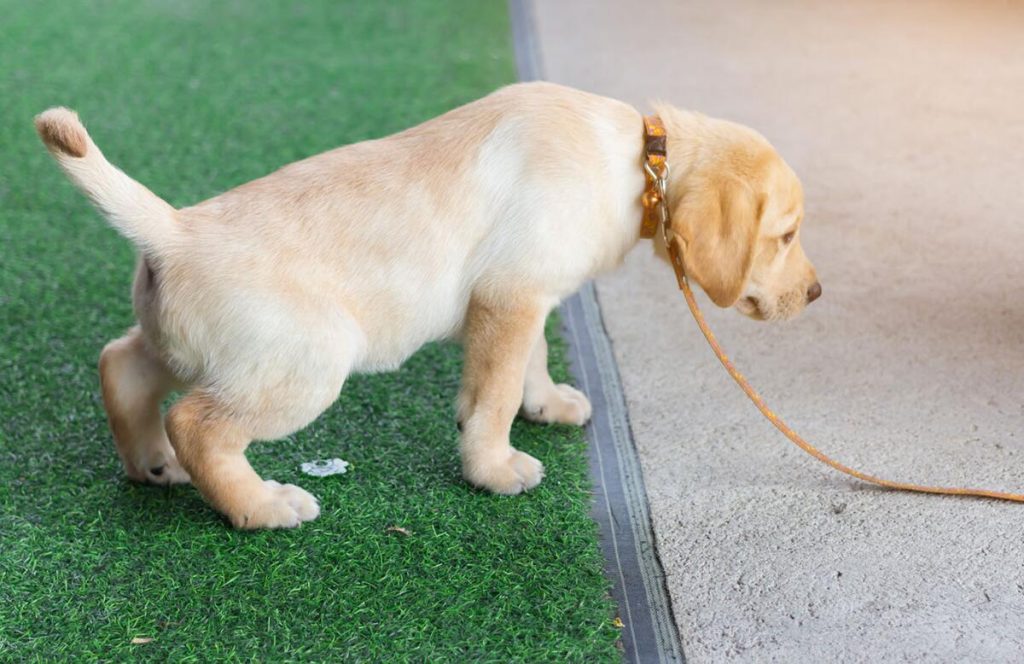
- House Training: Establishing a consistent routine for bathroom breaks is fundamental in house training. Take your puppy outside after meals, playtime, or naps, and reward them for doing their business outside. Patience is important here; accidents will happen, and it’s vital to remain calm and never resort to punishment, as this can increase anxiety around potty training.
These training exercises serve a dual purpose. They not only curb misbehavior, but they also create a sense of security for your puppy. By teaching them how to navigate their world through structured interactions, your puppy will develop a sense of confidence and adaptability, significantly reducing the likelihood of behavioral issues later in life.
Moreover, engaging in regular training sessions is an excellent way to strengthen your bond. As you both learn and grow together, you find joy in each other’s company, making the experience rewarding and fulfilling. Remember, positive reinforcement goes a long way. Offer your puppy treats, enthusiastic praise, and even playtime as rewards during training, reinforcing the idea that learning is fun.
As you embark on this transformative journey of puppy training, patience is indeed key. Each session, no matter how small, is an opportunity to enrich both your puppy’s life and your own. Explore different training methods, participate in puppy classes, and maintain an open mind as you navigate this enriching experience together. The effort you put in now will yield a well-adjusted and loving companion for years to come.
DIVE DEEPER: Click here to discover more about positive reinforcement training
Essential Topics in Puppy Training
The journey of puppy training is one filled with discovery and connection. Understanding the core components of training lays the groundwork for a happy and well-adjusted dog. As you prepare for those first lessons, here are some essential topics that you should focus on to ensure a holistic training experience:
- Impulse Control: Teaching your puppy to practice self-control is crucial for their safety and success in various situations. Techniques such as the “leave it” command or waiting at doors before being invited in can help to instill patience. These skills not only prevent unwanted behaviors, like jumping or stealing food, but also promote a calm demeanor in exciting environments.
- Leash Training: Walking on a leash is an essential skill that yields benefits for both you and your puppy. Begin by introducing your puppy to a collar or harness gradually, making the experience feel positive with treats and praise. As you walk, incorporate the command “heel” to teach your puppy to stay close, which ensures safety and an enjoyable outing for both. Remember, consistent leash training can foster better manners when interacting with other dogs and people.
- Desensitization to Sounds: Puppies can be easily startled by loud noises, such as sirens, thunder, or the vacuum cleaner. Gradually exposing your puppy to a variety of sounds in a controlled manner can help them become accustomed to these sensory experiences. Play recordings of everyday noises while engaging your puppy in play or providing treats, which can create positive associations with sounds that might otherwise frighten them.
Each of these components addresses not only the immediate needs of your puppy but also fosters a sense of stability and confidence in their behavior. Developing traits such as impulse control and adaptability equips your puppy with essential life skills, which can minimize anxiety and misbehavior later on. It is also important to remember that these training sessions should be fun and rewarding. Incorporating play and praise consistently will help cultivate a loving relationship, while keeping your puppy actively engaged in the learning process.
Establishing a routine around training will enhance your puppy’s ability to learn and adapt. A consistent schedule allows them to anticipate training times, creating a sense of security and comprehension of their environment. For best results, keep training sessions short and interactive. Aim for 5 to 10 minutes at first, gradually increasing as your puppy’s attention span grows. This will help maintain their interest and enthusiasm while reinforcing the lessons being taught.
As you embark on your puppy training adventure, remember that each puppy is unique and may progress at their own pace. Stay patient and flexible with your expectations, as adapting your methods to fit your puppy’s personality can be incredibly beneficial. With time, dedication, and love, you are not only teaching your puppy important lessons but also nurturing a trusting relationship that will last a lifetime.
| Training Techniques | Benefits |
|---|---|
| Positive Reinforcement | Encourages good behavior through rewards, leading to a happy and confident dog. |
| Socialization | Helps in developing a well-adjusted puppy who is comfortable around people and other animals. |
| Basic Commands | Establishes communication between owner and dog, promoting trust and safety in various environments. |
| Routine and Consistency | Provides a structured environment fostering a sense of security and predictability for your puppy. |
Understanding various puppy training techniques can significantly influence your dog’s socialization and behavior in the long run. The use of positive reinforcement, for instance, not only makes training more enjoyable but also builds a lasting bond between you and your pup. Consistent use of commands can create definitive lines of communication, ensuring that your dog knows what is expected of them. Incorporating socialization into early training efforts is also crucial in developing a well-adjusted dog, reducing anxiety in unfamiliar situations. A structured routine provides not only guidelines for behavior but also a comforting predictability that helps puppies thrive. Discovering these methods can help pet owners lay the groundwork for a rewarding relationship with their canine companions.
DON’T MISS OUT: Click here to learn why socialization is essential for your puppy’s future</
Building Core Commands
As you delve deeper into puppy training, establishing core commands becomes essential in developing effective communication with your dog. These commands form the foundation for a well-adjusted dog, ensuring that they understand your expectations and can respond appropriately in various situations. Here are some key commands that every puppy should master:
- Come: Teaching your puppy to come when called is vital for their safety. Start by using a leash or long line in a controlled area, calling your puppy’s name followed by the command “come.” Use high-value treats and an enthusiastic tone to encourage your puppy’s return. This command can save your puppy from dangerous situations, such as running into the street or approaching untrained dogs.
- Sit: The “sit” command is one of the most fundamental lessons in puppy training. This command not only teaches self-control but also serves as the basis for other commands, such as “stay” and “leave it.” Guide your puppy into a sitting position with a treat, then reward them immediately. Research shows that training with positive reinforcement leads to higher success rates in obedience.
- Stay: The “stay” command instills patience and control. Begin by asking your puppy to sit, then taking a step back while firmly stating “stay.” If your puppy remains in position, reward them with praise and treats. Progressively increase the distance and duration of the stay, creating scenarios where they may have to hold the command while distractions arise.
Another significant aspect of training lies in socialization. Introducing your puppy to various people, animals, and environments during the critical early weeks of their life is crucial. Socialization helps to prevent fear and anxiety-related behaviors later on. Consider visiting dog parks, arranging playdates, or attending dog training classes. These interactions create a well-rounded dog that is comfortable in diverse settings. Research indicates that puppies exposed to numerous experiences during their first few months tend to display better behavioral outcomes throughout their lives.
Consistency in training techniques cannot be overstated. Families often make the mistake of using different commands or signals, which can confuse a puppy and stall their learning. To avoid this issue, involve all family members in the training process while establishing a set of common commands that everyone adheres to. Additionally, note that positive reinforcement should replace any form of harsh discipline. Traditional methods such as yelling or physical correction have been shown to lead to fear-based responses and can damage the trust between you and your puppy.
As you embark on this transformative training journey, consider documenting your puppy’s progress. Keeping a diary of milestones achieved, challenges faced, and techniques that worked best creates a tailored approach for your dog’s unique needs. This personalized attention not only assists in tracking your puppy’s growth but also reinforces your commitment as their trainer and caregiver.
Ultimately, rushing the process can often lead to setbacks. Nurture your patience as an essential virtue in puppy training and embrace the small victories along the way. Every “sit,” “stay,” and successful social interaction forms a building block towards raising a well-adjusted dog, ensuring that your puppy grows into a happy and confident companion.
DISCOVER MORE: Click here to learn about positive reinforcement training
Final Thoughts on Puppy Training for a Happy Companion
In conclusion, puppy training is a multifaceted endeavor that fundamentally shapes the relationship between you and your canine companion. By prioritizing core commands such as “come,” “sit,” and “stay,” you lay down a solid foundation for effective communication, which is essential for your puppy’s safety and well-being. Early socialization experiences will further enrich their lives, turning them into well-rounded, adaptable dogs capable of handling varied environments with ease.
It is critical to embrace a training approach grounded in consistency and positive reinforcement. As each family member adopts uniform commands, the learning curve for your puppy will be significantly reduced. Avoiding harsh disciplinary measures will promote trust and strengthen your bond, allowing for a more fulfilling companionship. As careful trainers, understanding that every puppy learns at their own pace is paramount—patience is, after all, an integral component of the training process.
Consider creating a training diary to document your puppy’s growth, capturing milestones and adjustments in methods that worked well. This personalized approach not only facilitates tailored training but also enhances your commitment to fostering a loving environment. Remember, the journey of puppy training is not just about teaching commands; it is about nurturing a relationship built on understanding and respect.
As you reflect on your training practices, keep in mind that every small achievement contributes to fostering a happy, confident dog that will thrive alongside you. Ultimately, your investment in these early lessons will pay off in the form of a loyal and well-adjusted companion. For those eager to further explore the dynamics of puppy training, consider reaching out to local training classes or reading up on modern techniques for the best results.