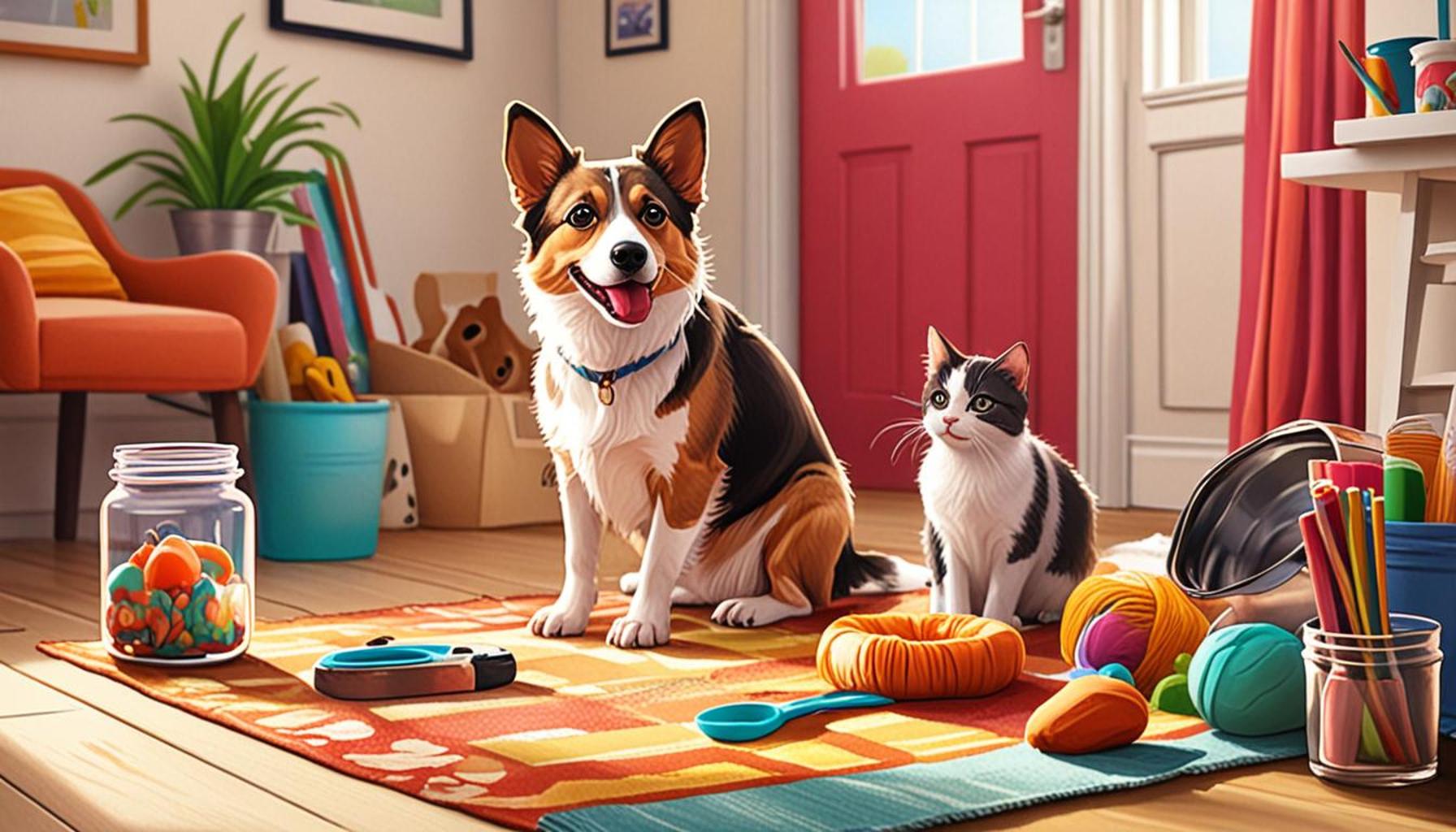
How to Choose the Ideal Pet for Your Family: Tips for a Successful Adoption

Choosing the Right Pet for Your Family
Welcoming a pet into your home is an exciting journey filled with love and companionship. However, this rewarding decision comes with an array of responsibilities that should not be overlooked. It’s vital to evaluate various factors to ensure a harmonious relationship between your new furry friend and your family.
Family Lifestyle
The first step in making a wise choice involves understanding your family’s daily routine and energy levels. If your household thrives on activity and adventure, a high-energy breed like a Border Collie or Labrador Retriever could be a suitable match, as these dogs crave stimulation and exercise. On the other hand, if your family leads a more sedentary lifestyle, adopting a calm breed such as a Bulldog or a Basset Hound may be more appropriate, ensuring you have a companion that fits your pace.
Space and Environment
Your living environment plays a significant role in the type of pet you should adopt. If you reside in a smaller space like an apartment, it’s essential to consider pets that require less space for daily activities. Breeds such as French Bulldogs or Shih Tzus are often well-suited for apartment living, as they don’t need extensive yards to thrive. Conversely, if you have a spacious yard, larger breeds or energetic pets might benefit from the outdoor space to roam and play.
Allergies
Another important consideration is allergies within your family. Many people are sensitive to pet dander, which can trigger allergic reactions. If this is a concern, consider hypoallergenic breeds such as Poodles or Schnauzers, which are known to produce less dander and may be more suitable for allergy sufferers. It’s advisable to spend some time around these breeds prior to adoption to assess any potential allergic reactions.
Age of Children
The age of your children should also influence your decision. Younger kids typically thrive with pets that exhibit a friendly and gentle demeanor. Small dog breeds such as Beagles or Cavalier King Charles Spaniels are often great companions for children as they tend to be playful and patient. Alternatively, if your children are older, you might consider adopting a larger dog or a more independent pet like a cat that can better withstand the exuberance of younger kids.
Commitment to Care
It’s vital to realize that understanding the responsibilities that come with pet ownership is crucial. Pets need consistent care, regular vet visits, daily exercise, and plenty of attention to thrive. From feeding schedules to training, adopting a pet is a long-term commitment that requires preparation and emotional investment. The early years of a pet’s life are especially formative, setting the foundation for their behavior and personality.
Adoption Benefits
Finally, consider adopting from a local shelter or rescue organization. By doing so, you not only provide a loving home to an animal in need but may also discover a furry companion that aligns perfectly with your family dynamics. Shelters often have educated staff who can help match you with a pet that fits your lifestyle and preferences, which can greatly simplify the decision-making process.
In conclusion, by thoughtfully assessing your lifestyle, environment, family needs, and opting for adoption, you can be assured of a successful and joyful pet ownership experience. The journey to finding the perfect pet is not just about filling a space in your home; it’s about enriching your family’s life with loyalty, love, and countless cherished memories.
DON’T MISS OUT: Click here for essential tips
Understanding Pet Compatibility with Your Family
Choosing the ideal pet for your family requires a thoughtful evaluation of various factors that align with your lifestyle and household dynamics. It’s not just about choosing a cute face but about finding a companion that integrates seamlessly into your everyday life. Below are essential aspects that you should consider to ensure a successful pet adoption.
Assessing Your Family’s Needs
The first step in the pet selection process involves a comprehensive assessment of your family’s needs. Each family is unique, with different schedules, activity levels, and preferences. Ask yourself the following questions:
- How often is your family home and what is your daily routine like?
- Is there anyone in your family who has special needs regarding pet interaction?
- What is your family’s level of experience with pets?
- Does your family prefer low-maintenance pets, or do you have the time and energy for a more demanding pet?
Understanding these factors can help guide your choice. For instance, if your family spends a lot of time away from home due to work or school, you may want to consider a more independent pet, like a cat, or even a smaller dog breed that can handle some alone time.
Financial Considerations
When choosing a pet, financial responsibility cannot be overlooked. Owning a pet involves more than the initial adoption fee; ongoing expenses include food, grooming, veterinary care, and daily supplies. Research the specific needs and costs associated with different types of pets. For example, larger dog breeds may require more food and higher veterinary costs than smaller breeds or cats. Creating a budget that accommodates these expenses will help you avoid potential pitfalls in your pet ownership journey.
Researching Breeds and Temperaments
Once you’ve established your family’s compatibility and financial readiness, it’s time to delve into various breeds and their temperaments. Each breed has unique characteristics and behavioral traits that can greatly influence your family dynamics. Here are a few examples:
- Golden Retrievers: Known for their friendly and tolerant attitude, they typically do well with children.
- Persian Cats: These affectionate felines often enjoy quiet environments and can be perfect for calmer households.
- Bearded Collies: Active and playful, these dogs thrive in energetic families but require regular exercise and companionship.
Educating yourself on various breeds will help narrow down options that best suit your family’s lifestyle. Consider reaching out to local breeders or attending pet expos to get a firsthand experience of different animals.
Evaluating Commitment Levels
Finally, it’s crucial to honestly evaluate your family’s commitment level. Pets require a considerable investment of time, love, and energy. If your family is ready to take on a lifelong companion, consider what training and socialization will be necessary to ensure your pet is well-adjusted and happy. Are you prepared for the time it takes to train a puppy? Do you have the patience for a shy cat that needs time to warm up? These reflections will guide you towards a fulfilling pet ownership experience.
In summary, carefully considering your family’s needs, financial responsibilities, specific breeds, and commitment levels will enhance your chances of forming a successful lifelong relationship with your new pet. Adopting a pet isn’t merely a casual decision, but a profound commitment that will enrich your family life.
Understanding Your Family’s Needs
When it comes to choosing the ideal pet, it’s crucial to understand your family’s lifestyle and needs. Families with young children may benefit from a more resilient and playful pet, while families with older members might opt for a calmer animal. Evaluating the energy levels and activity patterns of your family can significantly influence the type of pet you choose.
Researching Pet Breeds
Different pet breeds have unique traits, needs, and temperaments. Researching specific breeds allows you to find one that aligns with your family’s dynamics. For example, hypoallergenic dogs such as Poodles or breeds known for their gentle nature, like Labradors, may be ideal for families with allergies or young children. Understanding the breed’s typical behaviors helps set realistic expectations for pet ownership.
Time Commitment and Care Requirements
Owning a pet requires a significant investment of time and effort. Different pets have varying levels of care requirements. For instance, dogs often need daily walks and companionship, while cats might be more independent. Acknowledging the time your family can dedicate to a pet is essential for ensuring a successful adoption.
Adoption Considerations
Adopting from shelters or rescue organizations not only provides a loving home for an animal in need but offers a chance to learn about the pet’s history and needs. Many shelters provide support and information about the pets, helping families make informed decisions. Be sure to ask questions about behavior, health, and any special needs to ensure a smooth transition.
| Category 1 | Category 2 |
|---|---|
| Pet Compatibility | Choosing a pet that fits well with your children’s age and temperament lowers the risk of behavioral issues. |
| Long-term Commitment | Understanding a pet’s lifespan and care needs ensures that you can provide a stable environment throughout its life. |
Preparing Your Home for Adoption
Before bringing a pet home, it’s vital to prepare your space. This includes pet-proofing your environment by removing any hazardous materials, ensuring secure areas for the pet to explore, and gathering necessary supplies such as food, bedding, and toys. Setting up a dedicated space for the pet can help them acclimate comfortably and feel safe in their new home.In summary, many aspects come together when choosing the ideal pet, from evaluating family dynamics and researching breeds to understanding care commitments. Adapting these approaches fosters a rewarding relationship between your family and your new furry friend.
DISCOVER MORE: Click here to learn about the latest trends in pet nutrition
Finding Your Perfect Match: Bonding and Lifestyle Compatibility
After evaluating your family’s needs and assessing the financial aspects of pet ownership, the next important step is to explore bonding opportunities and how lifestyle compatibility helps in narrowing down your options. Understanding how different pets interact with their potential owners can greatly impact the success of your adoption.
Visiting Shelters and Rescue Organizations
One of the most effective ways to assess compatibility is to visit local animal shelters and rescue organizations. Many shelters offer opportunities for families to meet animals and engage in interactions to gauge personalities and behaviors. Take the time to observe how prospective pets react to family members, particularly children. Look for signs of playfulness, calmness, or shyness, as these can all indicate how well a pet might fit into your home. If possible, spend time with the pet before making any commitments to ensure that a bond can be formed.
Considering Activity Levels
Every pet comes with its own activity level, and this will largely dictate how well they mesh with your family’s lifestyle. Active families might prefer a pet that can keep up with their energy, such as a Border Collie or a Labrador Retriever, which thrive on exercise and play. Conversely, families that maintain a gentler pace might find comfort in adopting an older pet with a calmer demeanor or a breed known for its lower energy, like a Shih Tzu or a Great Dane. Allotting time for activities like walks, fetch, or playtime is crucial, as it leads to a healthier and happier pet.
Understanding Time Commitment and Training Needs
The time you are willing to invest in training and socialization plays a significant role in the pet’s adjustment and behavior. Many dogs require basic obedience training, social exposure to other animals and people, and ongoing stimulation to avoid behavioral issues. In contrast, cats generally require less structure but still benefit from time spent interacting with their humans. Researching the specific requirements of your chosen pet’s breed can prepare your family for the commitment necessary to foster a well-trained and sufficiently social animal. If your family is busy with work and school commitments, keep in mind that certain pets can be more forgiving of minimal active training or socialization.
Long-Term Commitment versus Short-Term Solutions
When evaluating what type of pet is perfect for your family, it’s essential to understand the difference between long-term companions and those that might only serve as temporary solutions. For instance, small mammals, such as hamsters or guinea pigs, may require less long-term commitment than dogs and cats, yet they still thrive on interaction and need careful attention to their living environments. Legally, adopting a pet is a long-term responsibility that spans their lifetime, which could be as few as a couple of years for smaller animals or as many as 15-20 years for some dogs and cats. Consider your family’s future plans and ensure you are equipped to provide care over the long haul.
By taking the time to assess your family’s lifestyle alongside your potential pet’s needs, you enhance the likelihood of a fruitful, affectionate, and harmonious relationship within the family unit. As you venture into the world of pet adoption, remember that informed decisions lead to more joyful and sustainable experiences for everyone involved.
DISCOVER MORE: Click here to learn about the latest trends in pet nutrition
Conclusion: Making the Right Choice for Your Family and Future Pet
Choosing the ideal pet for your family is not just a mere transaction but a thoughtful commitment that can enrich your lives for years to come. As you weigh your options, remember that understanding your family’s dynamics, financial capabilities, and lifestyle is crucial for a successful match. The bond you form with your pet can profoundly influence your household atmosphere, and thus taking the time to explore shelters and interact with potential pets should never be overlooked.
Additionally, being aware of each pet’s unique activity levels and training needs can guide your decision. Active families may thrive with energetic companions who love to play, while those seeking a more laid-back experience might find satisfaction in adopting quieter pets. Moreover, recognizing the importance of a long-term commitment versus more temporary pet solutions can safeguard against future sorrows. Pets become family members, and every animal deserves a loving home that reflects a commitment to their well-being.
Ultimately, the journey to pet adoption can be an exhilarating experience filled with love and laughter—if approached with careful consideration. By embracing the goal of finding a pet that aligns with your family’s lifestyle and needs, you are not only promoting harmony in your household but also supporting a greater cause by providing a forever home to an animal in need. With this guide, you are now equipped to navigate the exciting path of adoption with confidence and purpose.