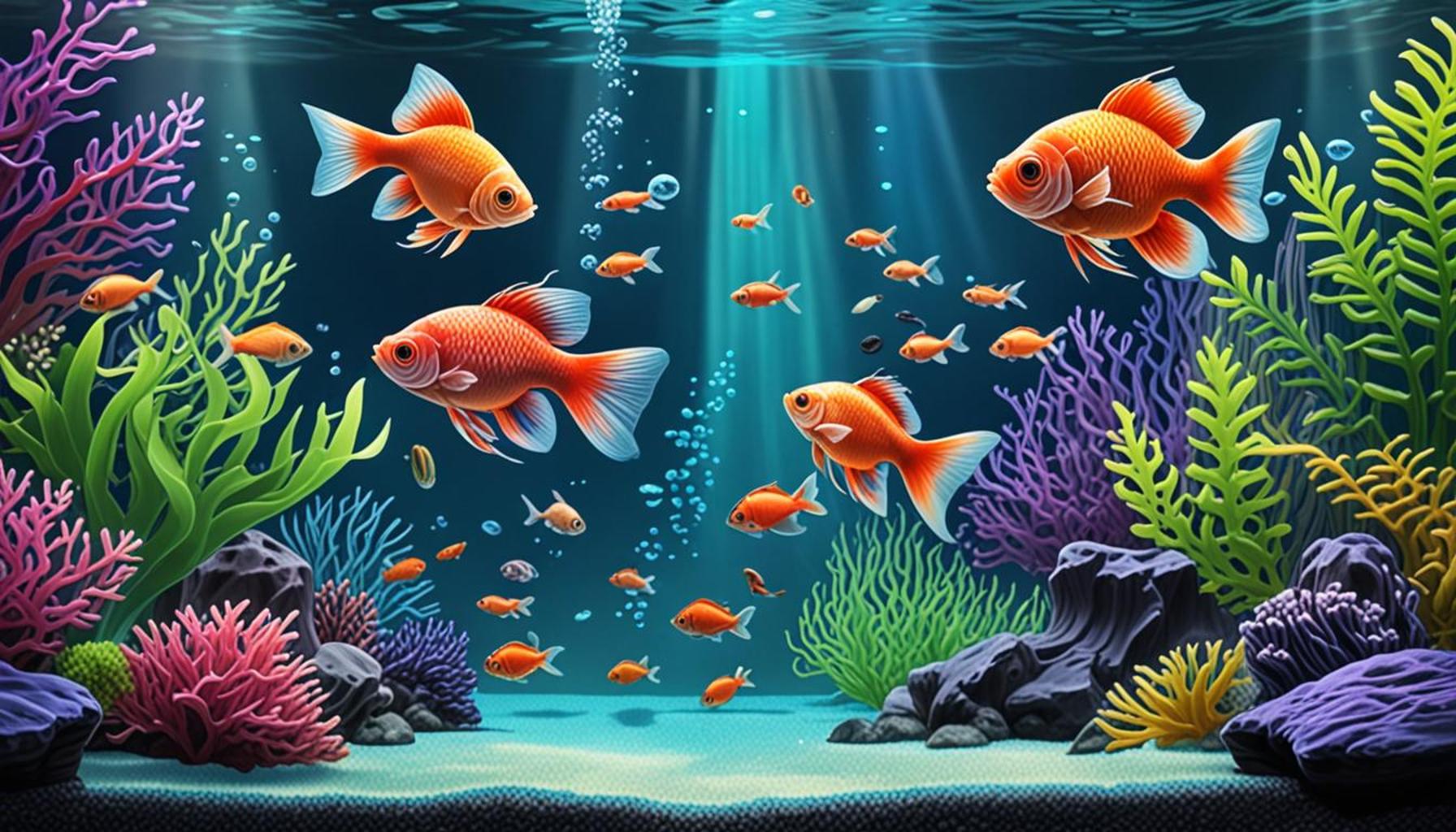
Betta Fish Training Strategies: Creating a Stimulating and Learning Environment
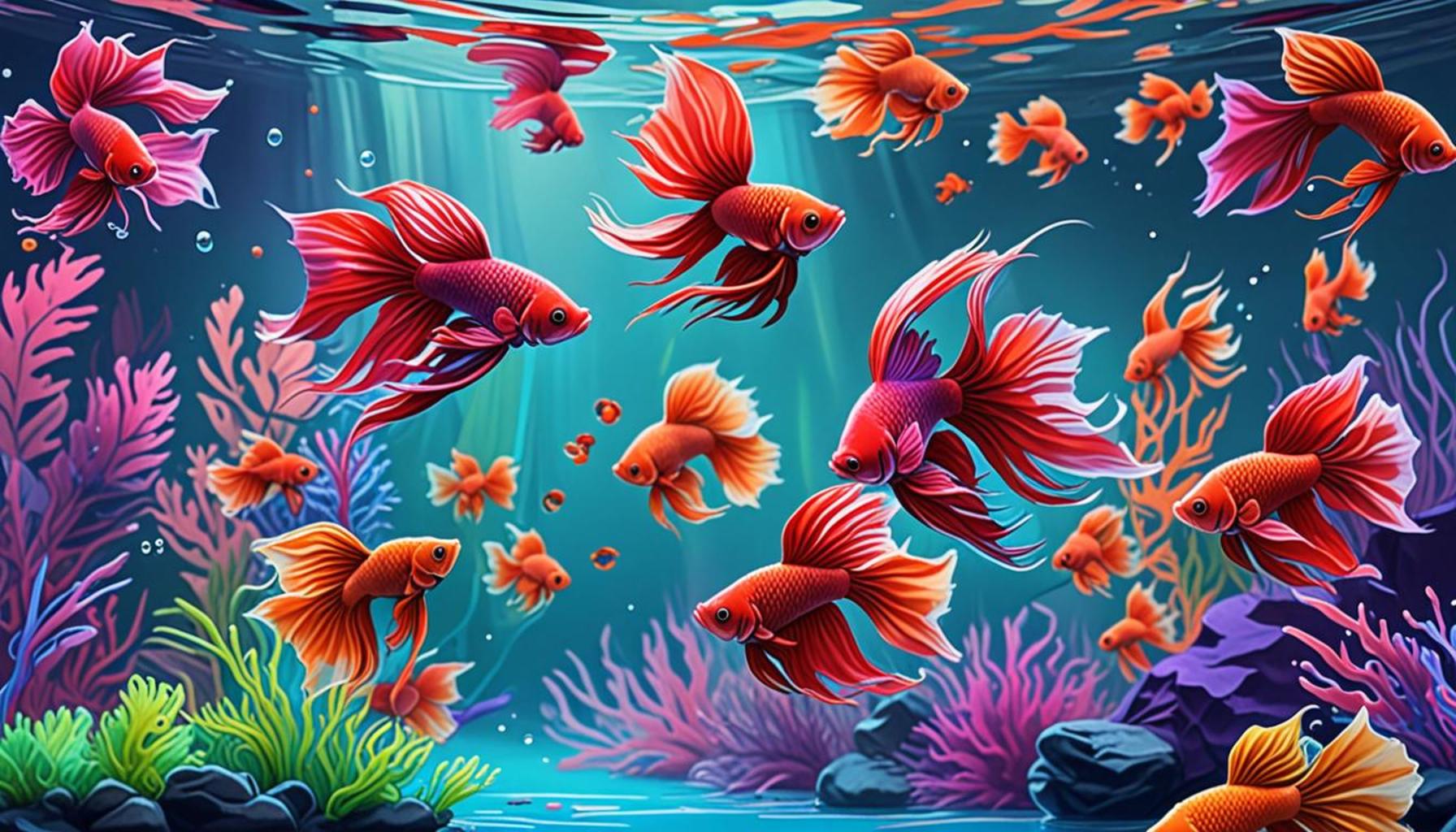
Discover the Art of Betta Fish Training
Betta fish, known for their vibrant colors and unique personalities, can do more than just swim gracefully in their aquariums. With the right training strategies, these fascinating creatures can engage in a variety of activities that enhance their well-being. Understanding how to create a stimulating and learning environment is essential for any betta fish owner. By employing specific techniques, you can transform your pet’s living space into an interactive playground.
- Interactive Feeding Techniques: One effective way to stimulate your betta is through varied diets. Consider using different types of food such as pellets, flakes, freeze-dried worms, and even live food like brine shrimp. Not only does this promote their curiosity, but it also encourages them to forage, mimicking natural hunting behaviors. You can try scattering food (in small amounts) around the tank to encourage your fish to explore and search for their meals, making feeding time an engaging activity.
- Enrichment Tools: Incorporating toys and decorations that encourage exploration is another enjoyable method of training. Items like floating logs, plants, and even small caves can create hiding spots that stimulate their natural instincts. Consider purchasing specialized betta toys, such as mirrors or small ping pong balls, which can provoke curiosity and playful behavior. Regularly rearranging decorations can also prevent stagnation, keeping your fish active and engaged.
- Routine Training Exercises: Engaging in simple tricks, like teaching your betta to jump through hoops or respond to your finger tapping on the tank, not only facilitates bonding but also provides significant mental stimulation. Start with short training sessions a few times a week, rewarding your fish with food or praise when they successfully execute a trick. This method of positive reinforcement can make training a rewarding experience for both you and your betta.
Creating a suitable environment involves not only the physical space but also understanding the behavioral needs of your betta. These fish thrive when they are challenged and stimulated, leading to a happier and more active pet. The following strategies will not only make your betta more lively but also deepen the connection between you and your aquatic companion. Initiating these activities will allow you to witness the unique personality of your fish bloom.
Why Betta Fish Training Matters
Training your betta fish is not just a novelty; it serves to enhance their quality of life in several ways:
- Promotes Mental Stimulation: Engaging in various activities effectively prevents boredom. Just like humans, fish can suffer from inactivity. Routine training exercises that challenge their intellect can keep your betta mentally sharp.
- Encourages Physical Activity: Increased movement is crucial for overall health. Encouraging your betta to swim and explore boundlessly contributes to their cardiovascular health and can promote longevity.
- Strengthens Human-Fish Bond: Interaction through training builds trust and familiarity. Spending time with your betta and recognizing their behaviors and preferences fosters a deeper bond, making them brighter characters in your life.
Join us as we unpack various strategies for effectively training your betta fish, ensuring that their environment is both enriching and stimulating. This deep dive into betta training not only promises a healthier pet but also enhances the joy of aquarium-keeping for enthusiasts all across the United States.
DIVE DEEPER: Click here to learn more
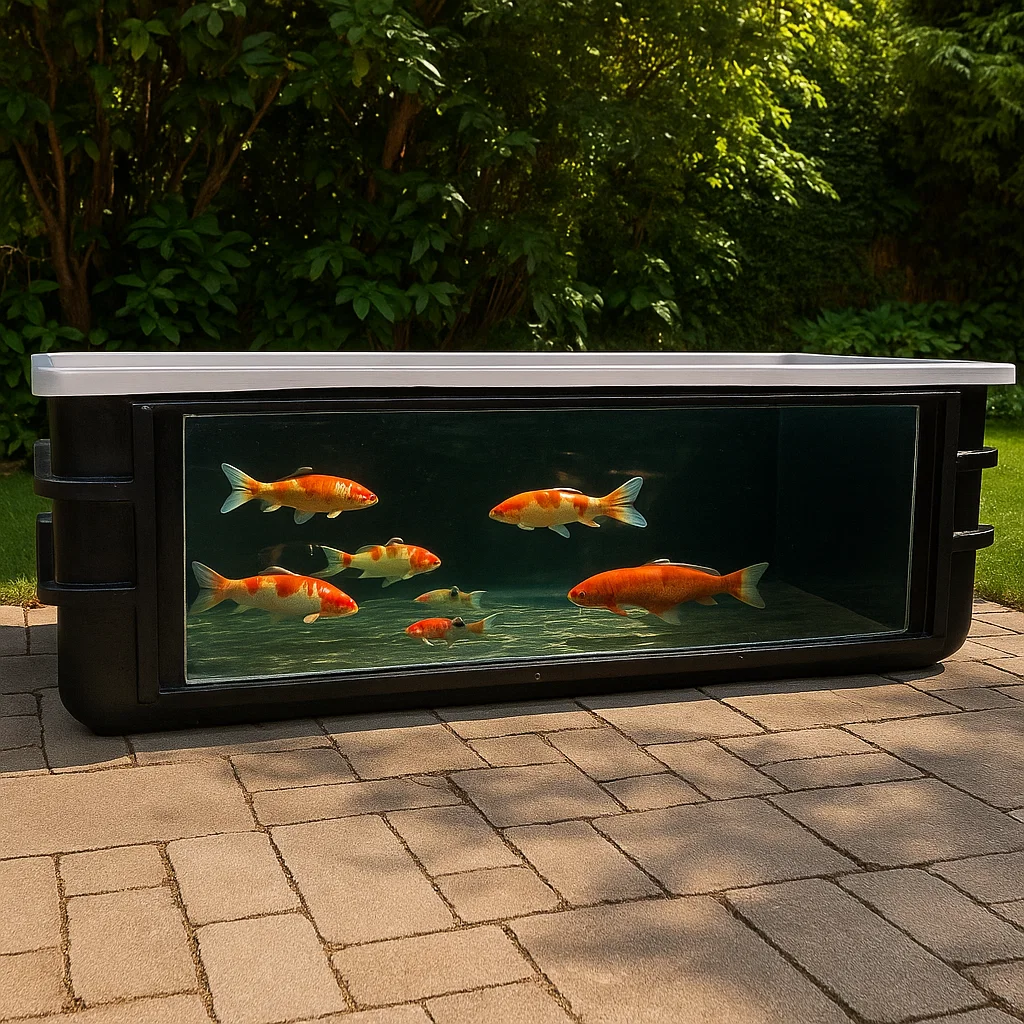
Crafting an Engaging Habitat
Creating a training-friendly atmosphere for your betta fish is the first step in transforming them from a simple pet to a charismatic participant in your aquatic adventures. The foundation of effective betta fish training strategies lies in designing an environment that fosters exploration, activity, and social interaction. A well-structured habitat can make all the difference in how your betta perceives their tank as more than just a home; it becomes a vibrant playground where they can thrive.
Understanding Bettas’ Natural Instincts
To successfully implement training techniques, it is essential to understand the innate behaviors of betta fish. As natural inhabitants of shallow waters and rice paddies in Southeast Asia, these fish are instinctively drawn to environments that provide both cover and open swimming spaces. Simulating such conditions can encourage your betta to exhibit their natural behaviors. Consider adding elements such as:
- Floating Plants: Introducing live or artificial floating plants creates shaded areas for your betta to hide and explore.
- Substrate Variation: Utilizing sand or fine gravel can prompt natural digging behavior, similar to what they would encounter in their native habitats.
- Swimming Fixtures: Incorporating structures like driftwood or decorative rocks enables your betta to navigate the tank, creating a sense of adventure.
Each of these elements contributes to a dynamic and enticing environment that can stimulate curiosity and encourage engagement, allowing your betta to explore and interact with their surroundings actively.
The Importance of Routine and Consistency
Just as humans benefit from structured routines, betta fish respond well to consistent interactions. Establishing a daily regimen that combines feeding, playtime, and training exercises not only makes your fish more interactive but also promotes stress reduction. A stable schedule allows your betta to anticipate daily activities, fostering a sense of security. Users particularly keen on betta fish training exercises can incorporate:
- Designated Playtime: Allocate specific times during the day for engaging with your betta through activities, such as initiating a game of chase with a ping pong ball.
- Feeding Rituals: Train your fish to associate certain cues, like tapping on the glass or flicking a light, with mealtime; this can pique their interest and enhance feeding experiences.
- Consistent Training Sessions: Keeping training sessions short and frequent will harness your betta’s attention and foster quicker learning.
These practices not only uphold physical and mental well-being but also strengthen the bond you have with your betta fish. As you embark on this journey of training, remember that patience and observation are key; understanding your betta’s individual preferences and moods will significantly enhance the training experience.
With the right approach, you can turn an ordinary aquarium into an extraordinary training ground where your betta can flourish. The synergy between a stimulating environment and consistent routines will unveil the unique personality and engagement of your aquatic companion.
| Category 1 | Category 2 |
|---|---|
| Enrichment Activities | Activities that stimulate betta fish and enhance learning. |
| Social Interaction | Encouraging interaction with their environment and other fish. |
| Training Techniques | Utilizing positive reinforcement methods for effective learning. |
| Environmental Setup | Creating a vibrant tank habitat with plants and hiding spots. |
Initiating betta fish training strategies is crucial in establishing a stimulating and learning environment that allows these aquatic creatures to thrive. One key aspect involves implementing enrichment activities such as using toys and mirrors to engage their curiosity and intelligence. These activities do not just keep betta fish entertained; they also minimize stress and promote physical health.Another vital component is incorporating social interaction. Betta fish are often more comfortable when they can observe the movements of their fellow inhabitants. This awareness enhances their behavioral patterns and encourages healthy competition.Additionally, utilizing effective training techniques is essential. Positive reinforcement through the use of treats or praises can significantly improve learning outcomes, fostering a bond between the fish and their caregiver.Lastly, the environmental setup plays a pivotal role in overall well-being. A well-arranged habitat filled with vibrant colors, plants, and various hiding spots stimulates natural behaviors, leading to a more fulfilling and enriching life for betta fish.
DON’T MISS: Click here to learn about balanced nutrition for your pet!
Introducing Interactive Training Techniques
Once you’ve established a captivating habitat for your betta fish, the next step is to incorporate interactive training techniques that not only boost engagement but also enhance their cognitive skills. Training your betta isn’t merely an entertaining endeavor; it reinforces positive behaviors and contributes to their overall mental stimulation. By utilizing various methods that integrate play and learning, you can provide your fish with an enriching experience that promotes a well-rounded personality.
Utilizing Target Training
Target training is an effective method that encourages your betta to respond to specific cues or stimuli. This technique involves the use of a target, such as a small stick or a brightly colored dot, which the betta is trained to follow. Begin this process by:
- Introducing the Target: Place the target close to your betta’s territory to spark curiosity. Once they make contact, reward them with a small treat or praise.
- Gradual Movement: Slowly move the target around the tank, encouraging your betta to follow it. This step enhances their swimming skills and stimulates their hunting instincts.
- Persistence and Patience: Consistent practice is essential. Regular sessions can lead to remarkable progress; however, be prepared for gradual learning and adapt your techniques as needed.
Target training not only develops your betta’s ability to interact but also strengthens the connection between the fish and its owner, reinforcing a sense of trust and companionship.
Engaging Playtime Activities
No training session is complete without incorporating some play! Betta fish are known for their playful nature, and engaging with toys can elevate their mood and stimulate mental activity. Consider the following playful options:
- Mirror Exercise: Place a small mirror next to the tank to stimulate your betta’s territorial instincts. They may flare up, showcasing their beautiful fins, but be cautious; limiting this activity to short sessions is crucial to prevent stress.
- Ping Pong Balls: Drop a ping pong ball into the tank to create a floating object your betta can interact with. They may playfully push it around, making playtime both fun and enriching.
- Bubble Wand or Air Stones: Incorporating a bubble wand or air stone creates bubbles that your betta can chase and pop, adding exciting movement to their environment.
These playful engagements not only serve as entertainment but also contribute positively to their physical health by encouraging them to exercise.
Utilizing Technology for Mental Stimulation
In an age where technology plays an integral role in our daily lives, aquarists can, too, harness its potential in enhancing betta fish training. There are now various gadgets designed specifically for interactive fish training:
- Fish-Safe Laser Pointers: Using a laser pointer, you can dot the tank’s surface and watch as your betta chases the light. This activity satisfies their predatory instincts while providing an amusing spectacle.
- Smart Feeding Devices: Incorporating devices that release food at timed intervals can engage your betta in a routine, making them more alert and responsive.
These innovative tools facilitate a dynamic training regimen that prompts constant engagement, allowing your betta to think critically and stay active. By blending nature with modern insights, you can elevate your betta fish training strategies to new heights.
LEARN MORE: Click here for essential pet preparation tips
Conclusion
In summary, betta fish training strategies offer a unique opportunity to enhance not only the lives of these vibrant fish but also the bond between aquarist and pet. By creating a stimulating environment through varied techniques such as target training, engaging play activities, and even innovative technology, you contribute significantly to the mental and physical well-being of your betta. Remember, the key lies in patience and consistency; each fish has its pace of learning, and adapting your methods to cater to their specific needs will yield the best results.
Moreover, understanding the social and behavioral traits of bettas is crucial in designing an enriching habitat. As you experiment with different strategies, you may find that your betta responds positively to certain activities, leading to enhanced engagement and cognitive development. Further exploration into topics such as the effects of environmental enrichment on bettas and new training tools can provide even greater insights into maximizing their happiness.
Ultimately, whether you’re coaxing your betta to swim through a hoop or providing games that incite their natural instincts, the goal is clear: to foster a fulfilling and stimulating environment that encourages their growth. Embrace the journey of discovery with your betta fish, and you’ll soon find that the learning process is as rewarding for you as it is for your finned companion.