The Importance of Positive Training in Dog Obedience

The Power of Positive Training Techniques
When it comes to dog training, the methods we choose significantly shape the behavior and temperament of our furry friends. Positive training techniques have emerged as a frontrunner among various approaches, earning recognition for their efficacy and humane methodology. This practice nurtures a more substantial bond between handler and dog, paving the way for a nurturing environment that not only enhances learning but also promotes emotional well-being.
A major question arises: what drives the growing preference for positive training methods among dog owners in the United States? Here are several persuasive factors:
- Enhanced Learning: Numerous studies highlight that dogs respond more robustly to rewards than punishment. For instance, simple treats or praise can lead to quicker and more consistent understanding of commands. A dog trained with treats often learns to associate good behavior with positive outcomes, expediting the training process.
- Strengthened Bond: Positive reinforcement not only teaches commands but also encourages trust and open communication between owner and dog. Engaging with your dog through play or rewards creates a sense of teamwork and respect. This bond influences various aspects of the dog’s behavior, making them more eager to please their owners.
- Reduced Fear and Anxiety: Training that emphasizes rewards over punishment mitigates fear and anxiety in dogs. When dogs feel safe and valued during training sessions, they are more likely to engage willingly, leading to a fruitful training experience. For example, a dog that enjoys training due to positive reinforcement is less likely to exhibit fear-based behaviors, such as cowering or aggression.
As understanding of canine behavior evolves, the significance of positive reinforcement techniques cannot be overstated. Many veterinary professionals and dog behaviorists advocate these methods for fostering not just obedience, but also overall happiness and well-being. Developing a favorable atmosphere for learning enables dog owners to cultivate a well-rounded companion that adapts seamlessly to various environments, whether it be in public parks or during family gatherings.
In conclusion, the advantages of positive training techniques extend well beyond simple obedience. By investing time in understanding and applying these methods, pet owners can contribute to a healthier, more fulfilling life for their dogs, ultimately leading to a happier household. As the dog training landscape continues to evolve, exploring these methods presents a compelling avenue for dog owners seeking to enrich the lives of their beloved companions.
DIVE DEEPER: Click here to learn more about your pet’s nutrition
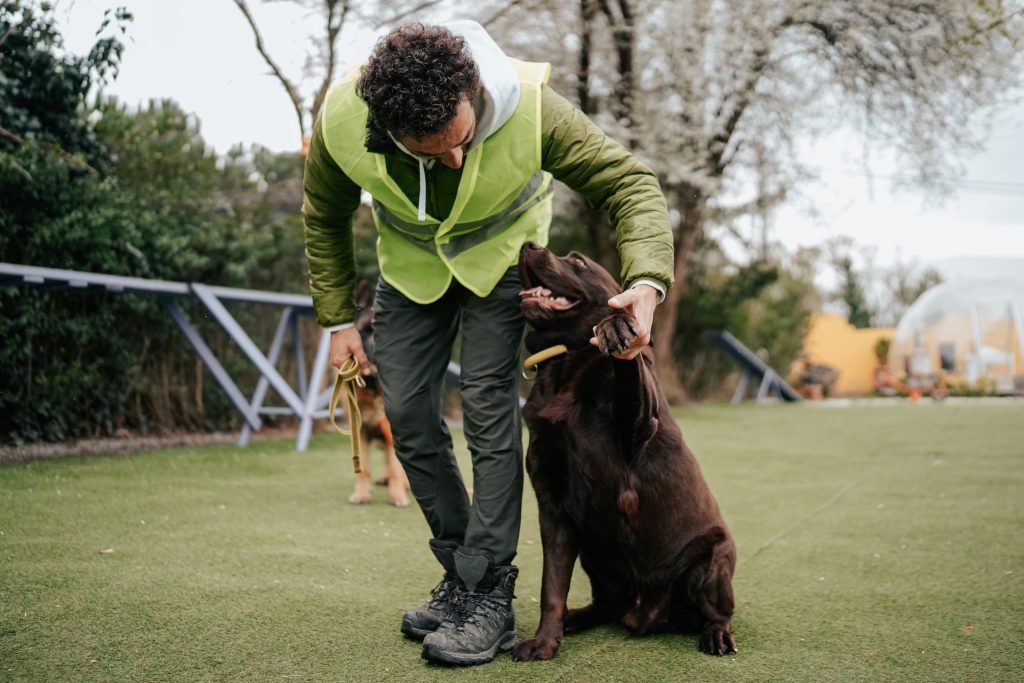
Transforming Behavior Through Reward Systems
What truly sets positive training in dog obedience apart is its focus on the profound effects of reward systems, which can significantly alter canine behavior in various aspects. By selecting methods rooted in positivity, pet owners not only teach their dogs to respond to commands, but they also encourage an environment in which dogs feel safe, accepted, and motivated to learn. As pet parents, it’s essential to realize the long-term implications these methods can have on our canine companions.
Understanding how dogs perceive their surroundings is pivotal to achieving effective training results. Dogs, much like humans, are more likely to engage in behaviors that yield favorable outcomes and steer clear of actions that do not. By employing positive reinforcement strategies, owners can tap into this natural inclination, leading to improved training dynamics.
The Science Behind Reward-Based Learning
Delving into the science behind reward-based learning reveals a compelling rationale for its efficacy. Studies conducted by animal behaviorists showcase that a dog’s brain releases dopamine, the feel-good chemical, when they receive treats or praise for performing a desired behavior. This release strengthens neural pathways associated with the behaviors, making it more likely that the dog will replicate them in the future.
- Classical Conditioning: This technique involves associating a neutral stimulus, such as a click sound from a clicker, with positive reinforcement. Over time, the dog learns to associate the sound with rewards, leading to quicker and more consistent responses to commands.
- Operant Conditioning: This principle revolves around rewarding a dog for good behavior to ensure it is repeated. It emphasizes positive reinforcement over punishment, thereby creating an environment conducive to learning.
- Clicker Training: A popular method in positive reinforcement, clicker training utilizes a click sound to mark desired behaviors, followed by a treat. This technique has proven effective in a variety of training situations, from basic commands to complex tricks.
It becomes evident that by prioritizing positive training methods, owners can not only teach their dogs effectively but can also foster a deeper, more trusting relationship. This trust is essential for any dog, as it affects everything from obedience to emotional health. Dogs that feel secure with their owners are more likely to explore their environments confidently and remain composed in challenging situations, such as encountering new people or situations.
Moreover, understanding the long-lasting impact of positive training can inspire further exploration into training philosophies. Owners often seek to create well-mannered dogs who are capable of navigating public spaces with confidence and decorum. The ripple effects of effective training are far-reaching, influencing a dog’s demeanor, adaptability, and overall happiness.
| Advantages of Positive Training | Description |
|---|---|
| Strengthens Bonding | Using positive reinforcement fosters mutual trust and strengthens the emotional bond between the dog and owner, leading to a happier and more connected relationship. |
| Enhances Learning Speed | Dogs trained with positive methods tend to learn commands and behaviors more quickly, as they are motivated by rewards rather than fear, making the training process efficient. |
| Improves Behavior | Positive training techniques have been shown to effectively reduce undesirable behaviors by redirecting the dog’s focus towards better choices instead of punishing them. |
| Boosts Confidence | When dogs feel safe and rewarded, their confidence grows, making them more adventurous and willing to explore their environments, paving the way for better overall behavior. |
The transparency and advantages of using positive training methods are evident in the rising popularity of these techniques among dog owners. This approach not only caters to effective behavior management but significantly enhances the emotional and psychological well-being of both pets and their owners. Engaging with methods emphasizing rewards has been proven to create a more fulfilling and enriching experience for dogs, as they receive the affirmation they crave while learning.
LEARN MORE: Click here to discover the benefits
Building a Foundation of Trust and Bonding
One of the most striking advantages of positive training in dog obedience is its ability to enhance the bond between dog and owner. When trainers utilize positive reinforcement techniques, they engage in a communication style that fosters trust and understanding. This mutual respect creates an atmosphere where both parties can thrive. Dogs trained through kindness and encouragement are more likely to view their owners as reliable companions rather than authority figures to be feared.
To illustrate, let’s consider a scenario with two different training styles. An owner who employs harsh discipline may achieve short-term success in getting their dog to obey commands. However, this approach often leads to an anxious animal, reluctant to engage or explore new stimuli out of fear. Conversely, a dog trained with positive methods will display confidence, exhibiting joy and eagerness to learn. This not only aids in obedience but also enriches the dog’s overall quality of life.
Reducing Behavioral Issues Through Positive Training
Another crucial aspect of positive training is its effectiveness in mitigating behavioral challenges. Many common issues, such as barking, jumping, or chewing, can often stem from stress or a lack of understanding. By addressing these behaviors through gentle correction and rewards, owners can encourage healthier actions and reduce the likelihood of problematic settings. For instance, instead of scolding a pup for jumping on guests, a trainer might redirect the dog’s energy towards sitting calmly, rewarding it with affection or treats.
- Separation Anxiety: Positive training techniques encourage independent behavior by gradually desensitizing dogs to being alone. This can involve rewarding the dog for staying calm during short periods of separation, ultimately leading to longer, more successful absences.
- Socialization Skills: Positive reinforcement during playdates or training classes allows dogs to learn social cues and appropriate interactions with other dogs and people. This learning experience cultivates confidence and reduces the likelihood of aggressive or fearful responses.
- Redirecting Misbehavior: Rather than punishing a dog for undesirable actions, positive training encourages the owner to redirect the behavior towards an acceptable alternative. For example, if a dog bites at a leash during walks, teaching it to carry a toy instead fosters a positive association with the leash.
Furthermore, focusing on creating well-rounded and sociable dogs can pave the way for a happier existence as companions within families or broader communities. Dogs trained through positive methods tend to show less fear and aggression, which in turn fosters a more harmonious relationship with the surrounding environment.
The Role of Consistency in Positive Training
Ultimately, consistency is paramount in embracing any training philosophy, including positive methods. Training requires patience and dedication, and results may not always be immediate. Setting clear expectations and consistently rewarding desired behaviors will lead to breakthroughs in training. Owners must remain diligent and flexible, adapting their methods to figure out what truly engages their individual dog.
In a world where stressors often abound, the emotional health of dogs is as essential as their physical well-being. Consistent application of positive training creates a safe haven where dogs feel cherished and understood. Furthermore, by integrating these methodologies into everyday interactions, owners embark on an enriching journey towards companionship built on love and trust.
DISCOVER MORE: Click here to enhance your dog’s behavior
Conclusion: Embracing a New Era of Dog Training
In summary, positive training in dog obedience emerges as a progressive approach, enhancing both the dog’s well-being and the owner’s experience. By fostering trust, building confidence, and improving communication, this method allows for a deeper bond between dogs and their humans. Rather than focusing on disciplinary actions, positive training centers on rewarding desired behaviors, effectively addressing behavioral issues while nurturing a healthy emotional state.
Additionally, as owners recognize the long-term benefits of this training philosophy, they not only create well-mannered pets but also cultivate a sense of community that values patience and understanding. Well-socialized dogs tend to exhibit better control in public spaces, which directly contributes to safer and more enjoyable environments for both pets and their people.
As we move forward, it is essential for dog owners and trainers alike to continually embrace consistency and adaptability in their training methods. By doing so, they can unlock the true potential of their canine companions, enriching their lives while minimizing the frustrations that often accompany traditional training techniques. In a culture that increasingly recognizes the importance of humane treatment across all species, positive dog training represents not just a technique but a deeply rooted philosophy in pet care.
In conclusion, let us champion the importance of positive training in dog obedience as a tool for creating joyful, confident, and well-adjusted dogs. As we advance in our understanding, we are reminded that the journey to a joyful companionship is paved not with fear or intimidation, but with respect, love, and encouragement.

Linda Carter
Linda Carter is a writer and pet care expert specializing in pet health, grooming, and wellness. With extensive experience helping pet owners create safe, loving, and enriching environments for their animals, Linda shares her knowledge on our platform. Her goal is to empower readers with practical advice and strategies to ensure their pets thrive and lead joyful, healthy lives.