Methods of Training Pets in Urban Environments: Adapting to City Life
The Urban Challenge for Pet Owners
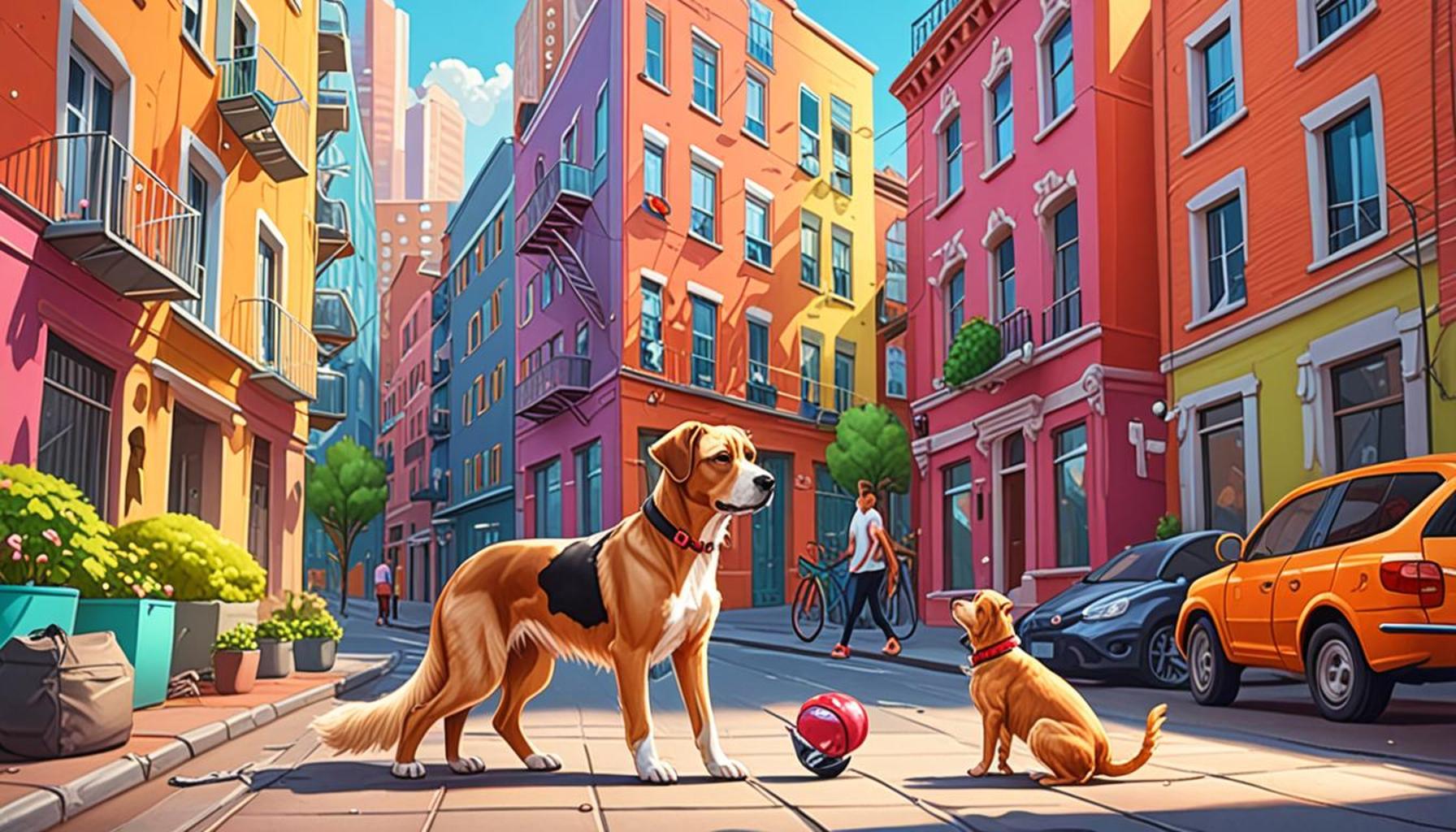
The dynamic nature of urban living presents a set of unique challenges for pet owners. While city life offers numerous advantages, such as access to parks, pet-friendly cafes, and services, it can also overwhelm our furry companions. The sounds of honking cars, chatter from crowds, and sirens can be not only distracting but also anxiety-inducing for pets not accustomed to such stimuli. Urban pet training aims to address these challenges effectively.
Understanding Noise Distractions
One of the primary factors impacting urban pet training is the cacophony of city noise. For instance, dogs with sensitive hearing may become distressed with the sounds of construction, public transport, or yelling pedestrians. To combat this, desensitization techniques can be employed, gradually introducing pets to varied sounds in a controlled manner. It can help them adjust to their surroundings and minimize anxiety, allowing for more peaceful walks and outings.
Limited Space for Exercise
Another inherent challenge in urban pet ownership is the limited space for exercise. Unlike suburban homes with vast backyards, urban dwellers often rely on small apartments or shared spaces. Therefore, creating a routine that incorporates regular walks, visits to dog parks, or even indoor play sessions becomes essential. Activities like agility training or interactive games can be adapted to confined spaces, ensuring pets remain physically active and mentally stimulated.
Socialization with Diverse Populations
Pets in an urban environment encounter not just fellow animals, but also a wide variety of people from various backgrounds. Socialization is crucial; it’s important for pets to learn to interact calmly with different breeds, sizes, and temperaments, as well as with children and the elderly. Participate in group training classes or community meetups to provide these valuable experiences. Positive reinforcement techniques are effective here, rewarding pets for calm behavior when interacting with others.
Tackling Behavioral Issues
Urban living can sometimes exacerbate behavioral issues like anxiety and aggression. For instance, a frightened dog may bark excessively at passing strangers or aggressive dogs. Understanding the triggers for such behaviors is essential. Seeking support from a professional dog trainer or behaviorist can provide tailored strategies. Techniques may include counter-conditioning exercises and managing the pet’s exposure to specific stressors.
Fostering a Pet-Friendly Community
As urbanization continues to grow, adopting effective training methods becomes increasingly important. Cities that prioritize pet-friendly initiatives—such as designated dog parks and pet-friendly transportation—can foster a more harmonious environment for both pets and their owners. As more residents embrace pet ownership, community commitment to accommodating pets can turn urban spaces into truly inclusive areas.
By focusing on these critical aspects of urban pet training, not only can individual pet owners enhance their own experiences, but they can also contribute to a rich, vibrant community where pets and humans thrive together. Embracing tailored training methods will undoubtedly lead to a brighter future for urban pets and their families.
DIVE DEEPER: Click here to learn how to choose the perfect pet for your family
Effective Training Techniques for Urban Pets
Training pets in an urban environment requires innovative and adaptable methods that address the distractions present in city life. As pet owners navigate the challenges of asphalt jungles, they must incorporate techniques that promote both obedience and comfort in their furry companions. With the right approach, pets can thrive amidst noise, distractions, and limited space.
Consistency is Key
Consistency in training practices is vital; this principle holds true in both urban and rural settings. Establishing a daily routine helps pets understand what is expected of them. This could mean setting aside specific times for walks, play, and training sessions. Utilizing clear commands combined with consistent signals can enhance communication between pets and their owners. For example, if a dog consistently receives the command “sit” before crossing the street, it will learn to associate this command with the action of waiting patiently. The repetition reinforces the behavior in an environment filled with distractions.
Utilizing Positive Reinforcement
Modern pet training often emphasizes the use of positive reinforcement. This technique not only fosters a trusting bond between owner and pet but also encourages desired behaviors over negative ones. Urban settings can amplify stress or anxiety, thus rewarding pets with treats, praise, or playtime when they exhibit calm behavior during outings will solidify their learning. Key areas to reinforce include:
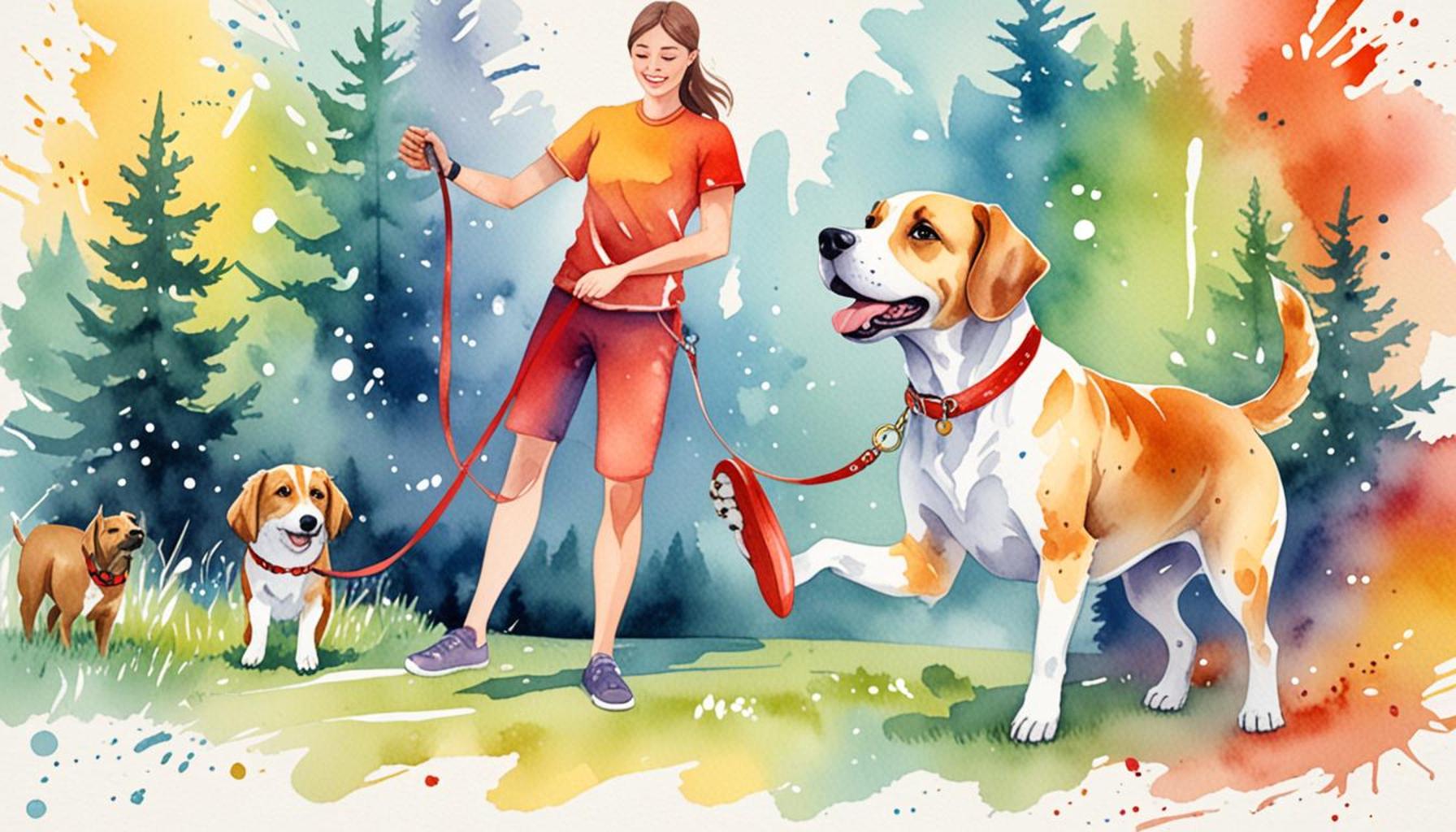
- Leash Manners: Reward pets for walking calmly beside you without pulling.
- Interacting with Other Dogs: Use treats when your pet behaves politely and calmly around other dogs.
- Responding to Commands: Praise pets for executing commands like “stay” or “come” despite distractions.
Desensitization Techniques
To help pets adapt to the various stimuli present in urban environments, desensitization techniques are paramount. This process involves gradually exposing pets to different noises, sights, and experiences in a controlled and positive manner. For instance, if a dog is fearful of loud noises, gradually increasing their exposure to sounds such as traffic or construction, while rewarding calm behavior, can significantly reduce anxiety. Such techniques not only promote confidence but also enhance a pet’s ability to cope with unexpected occurrences.
Engaging in Mental Stimulation
Given the constraints of space in urban environments, providing pets with ample mental stimulation is crucial. Engaging activities such as puzzle toys, training games, and scent work can help pets utilize their energy productively while developing their cognitive abilities. Incorporating these activities allows for a balance between physical exercise and mental engagement, ensuring pets remain content and well-behaved, even in smaller living quarters.
In conclusion, training pets in urban environments demands flexibility and commitment from owners. By practicing consistency, embracing positive reinforcement, employing desensitization techniques, and ensuring ample mental stimulation, pets can successfully adapt to the bustling city life while maintaining their health and happiness. The methods chosen not only impact the pets directly but also create a more harmonious experience for pet owners in their urban adventures.
Methods of Training Pets in Urban Environments: Adapting to City Life
Urban environments present unique challenges for pet owners. With the hustle and bustle of city life, pets must learn to navigate their surroundings securely and confidently. One effective method of training pets in urban settings is through positive reinforcement. This technique encourages desired behaviors by rewarding pets with treats, praise, or playtime, making training not only more effective but also enjoyable.
Another method involves desensitization. In bustling cityscapes filled with loud noises, moving vehicles, and crowds, it’s essential to expose pets gradually to these stimuli. Start with controlled exposure, allowing them to become accustomed to particular sounds or sights from a safe distance. Over time, as their comfort level increases, you can reduce the distance, helping them gain confidence in their urban environment.
Moreover, utilizing socialization opportunities is crucial. City parks, dog-friendly cafes, and training classes provide opportunities for pets to interact with other animals and people. This exposure to different breeds and behaviors not only helps build their confidence but also reduces anxiety when faced with unfamiliar situations.
Ultimately, consistency plays a vital role in training. Establishing a routine and sticking to it reinforces learning and helps pets adapt to their urban lifestyle more efficiently. Regular training sessions, even in short bursts, can embed essential skills and commands, ensuring pets are well-adjusted to their dynamic surroundings.
| Training Methods | Advantages |
|---|---|
| Positive Reinforcement | Promotes a strong bonding experience and encourages preferred behaviors. |
| Desensitization | Helps pets become comfortable with urban stimuli, reducing fear and anxiety. |
| Socialization Opportunities | Encourages friendly interactions, reducing aggression and fear-based behaviors. |
| Consistency | Reinforces learning and helps pets adjust quickly to their urban surroundings. |
By embracing these methods of training, pet owners can ensure their pets thrive in urban environments, creating harmonious lives amid the vibrant cityscape.
EXPLORE MORE: Click here for valuable senior pet care tips
Socializing Your Pet in the City
Socialization is an essential aspect of training for pets living in urban environments. Unlike rural areas, where animals may have ample space and fewer distractions, city life presents unique opportunities for social interaction, as well as challenges. Proper socialization not only aids in your pet’s behavior but also ensures they can cope with the bustling city atmosphere.
Introducing Pets to New Environments
To acclimate pets to the urban landscape, gradually introducing them to various environments is important. Start with quieter areas and slowly progress to busier streets. During these excursions, observe your pet’s reactions and provide encouragement. For instance, when walking past a café or a crowd, reward your dog with treats for remaining calm. Consider taking them to dog parks, which are abundant in cities, allowing for positive interactions with other dogs and people.
Encouraging Positive Experiences
Creating positive experiences during socialization is crucial, as negative encounters can lead to fear and anxiety. It is essential to monitor your pet’s comfort level and use positive reinforcement to reward their bravery. If a dog encounters a street musician or a delivery truck but responds calmly, provide a treat or praise. Over time, these positive experiences build confidence and an ability to adapt to the commotion characteristic of urban living.
Training in Public Spaces
Public spaces serve as excellent platforms for practicing commands and social behaviors. Training in parks, along sidewalks, or at pet-friendly establishments exposes pets to real-life situations while reinforcing obedience. Use these environments to implement training techniques. For example, practice the “leave it” command when passing food carts or buses to help them develop self-control in high-distraction areas. This practical approach to training bolsters skills necessary for navigating city life.
Understanding the Importance of Distance
In high-traffic urban centers, ensuring your pet is comfortable with physical proximity is crucial. Many pets can become overwhelmed when strangers, bikes, or other animals approach too closely. Practicing “sit” and “stay” from a distance provides space for your pet while still encouraging adherence to commands. Gradually decrease the distance as your pet becomes more comfortable, reinforcing positive behaviors with treats or praise. This technique can also be applied to help pets cope with the noise of construction or traffic.
The Role of Professional Training Classes
For owners seeking additional support, professional training classes tailored to urban pets can be immensely beneficial. These classes typically focus on essential commands, socialization, and managing distractions. Many urban trainers incorporate real-world scenarios in their lessons, allowing pets to learn in environments they will frequently encounter. By investing in professional training, owners can gain valuable insights and techniques to help their pets adapt more efficiently to city life.
With the right tools and approaches, city-dwelling pets can become well-adjusted companions, thriving in their urban settings. By emphasizing socialization, practicing training in public, and seeking professional guidance, owners can navigate the complexities of urban pet ownership while laying the groundwork for a confident and obedient pet.
DISCOVER MORE: Click here for essential tips
Conclusion
In summary, adapting to urban life presents a unique set of challenges and opportunities for pet owners. As we have explored, socialization, exposure to various environments, and practicing training in public spaces are essential methodologies that can significantly enhance a pet’s ability to thrive in a bustling city. Understanding your pet’s comfort levels and employing positive reinforcement techniques fosters a sense of security and confidence that pets need to navigate their urban surroundings effectively.
Investing in professional training classes not only equips pet owners with the tools they need but also creates a structured environment for pets to learn and adapt. Moreover, the importance of gradually increasing exposure to noise and the busy nature of city life cannot be understated, as this desensitization process prepares pets for encounters they will face daily.
Ultimately, a well-trained pet can become a delightful companion in urban settings, rather than a source of stress for their owners. With patience, creativity, and commitment to regular training practices, both pets and their owners can turn city living into a rewarding experience. As you embark on this journey, continually seek new avenues for socialization and engagement, ensuring that city life works to your advantage and enhances the bond you share with your furry friend.

Linda Carter
Linda Carter is a writer and pet care expert specializing in pet health, grooming, and wellness. With extensive experience helping pet owners create safe, loving, and enriching environments for their animals, Linda shares her knowledge on our platform. Her goal is to empower readers with practical advice and strategies to ensure their pets thrive and lead joyful, healthy lives.