Training Small Breed Dogs: Specific Approaches for Unique Personalities
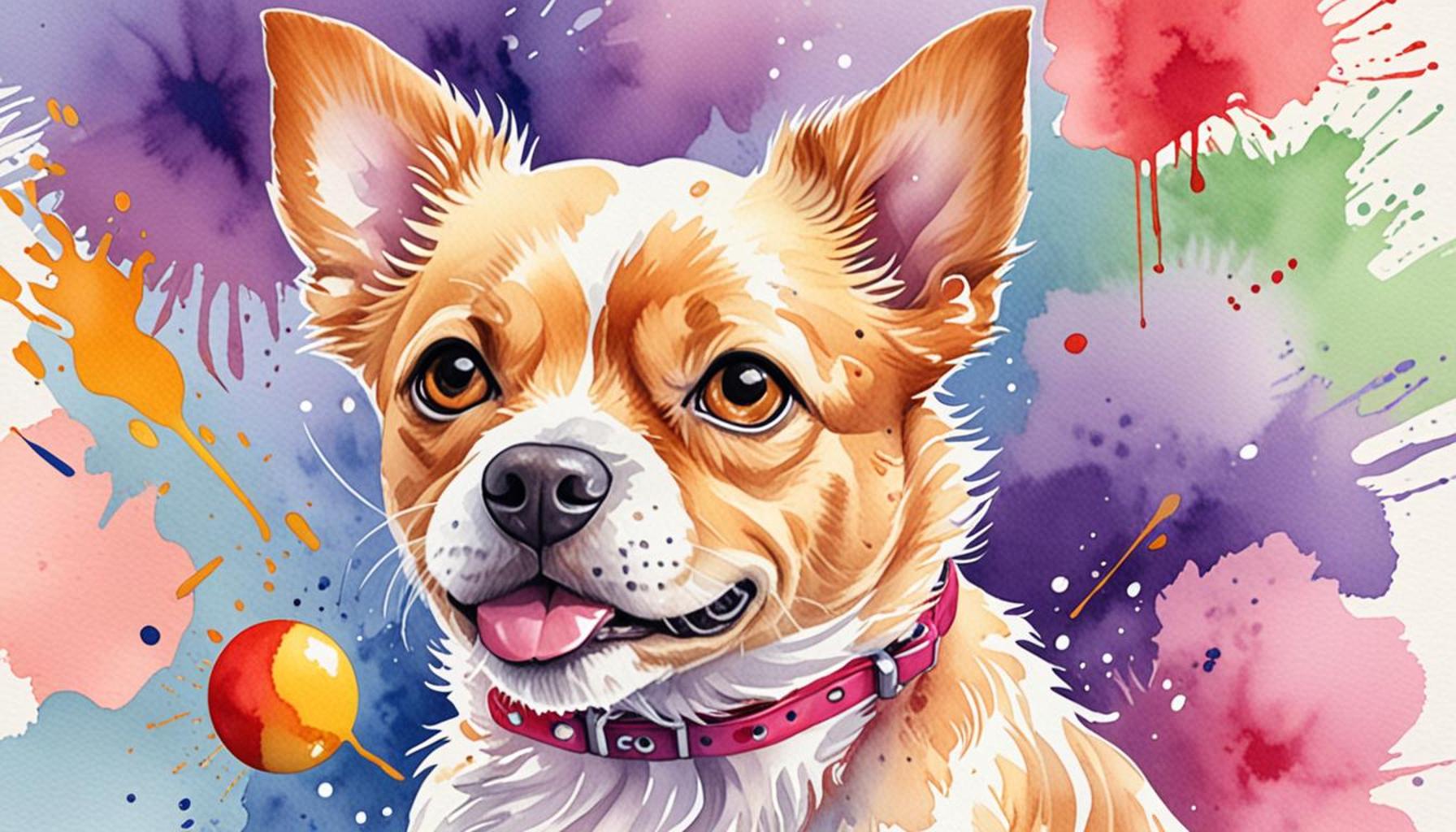
The Joys and Challenges of Training Small Breed Dogs
Training small breed dogs is a multifaceted endeavor that goes beyond basic commands. These spirited companions require understanding not only of their physical needs but also their psychological traits. Each small breed, from Chihuahuas to Beagles, brings its own unique personality and idiosyncrasies to the training table. Recognizing these traits can turn training sessions into enjoyable, engaging experiences for both the dog and the owner.
Small breed dogs often exhibit the following characteristics:
- Energetic: Small breeds like the Jack Russell Terrier are known for their high energy levels. Owners need to incorporate dynamic training routines that tap into this energy, turning exercises into games. For example, using agility courses can be a fun way to engage them physically and mentally.
- Stubborn: Breeds such as the French Bulldog may showcase a strong-willed nature. This independence can manifest as reluctance to obey commands. Owners must approach training with patience and creativity, using enticing methods to keep their interest piqued.
- Affectionate: Small breeds like the Pomeranian thrive on love and companionship. Training sessions can double as cuddle time if you use affection as a reward, helping to reinforce positive behavior through emotional connection.
To effectively train these little dogs, specialized techniques are essential:
- Positive Reinforcement: This method is particularly effective because small breed dogs are motivated by treats and praise. For instance, giving a tiny chicken-flavored treat when they sit on command can encourage repetition of the behavior.
- Consistency: Establishing a clear, regular training routine can significantly improve a dog’s ability to grasp commands. Whether it is during daily walks or specific training sessions, sticking to the same commands and cues enables better learning.
- Socialization: It’s crucial to expose small breeds to various environments, people, and other animals early in their lives. This exposure fosters adaptability and confidence, making outings to parks or dog-friendly cafés great opportunities for socialization.
Beyond basic commands, effective training also cultivates better manners, leading to a more harmonious household. This approach not only enhances everyday interactions but also strengthens the bond between owner and pet. For those looking to deepen their understanding of their furry companions, several books and seminars specialize in small breed training, offering further techniques and insights.
In conclusion, unlocking the secrets of small breed dog training opens up a world of possibilities. By understanding their unique needs and implementing tailored strategies, owners can ensure a harmonious relationship with their beloved dogs. Discovering effective training methods is not just beneficial for the dog; it enriches the owner’s experience, creating lasting memories and a joyful partnership.
DISCOVER MORE: Click here to learn how to choose the perfect pet for your family
Understanding Unique Personalities in Small Breed Dogs
When approaching the training of small breed dogs, understanding unique personalities is essential for success. These tiny canines often possess an array of distinct traits that directly influence how they interact with their environment, respond to commands, and engage with their owners. Whether your furry friend is a petite Poodle or a feisty Dachshund, recognizing their individuality can significantly enhance the training process.
Many small breeds display a complex mix of characteristics, which require a tailored training approach:
- Playful Energy: Breeds like the Yorkshire Terrier are notorious for their playful nature. Incorporating play into training can keep their attention focused and make learning enjoyable. Consider using fetch or interactive toys as rewards, marrying fun with obedience.
- Vigilant Nature: Small breeds, such as Miniature Schnauzers, often exhibit a heightened sense of alertness. This trait can be channeled positively through training sessions that involve tracking or scent work, capitalizing on their natural instincts.
- Territorial Behavior: Certain small breeds, like Chihuahuas, can be protective of their territory. Training should include socialization techniques to ensure comfort when meeting new people or animals, which can mitigate negative reactions stemming from their innate guard dog tendencies.
Effective training for small breed dogs often hinges on several proven strategies tailored to their specific behavioral traits:
- Gentle Guidance: Given their petite build, small breed dogs can be overly sensitive to rigorous training methods. It’s crucial to adopt a gentle approach to avoid overwhelming them. Utilizing soft tones, gentle leash corrections, and gradual introductions to new commands can foster a positive learning environment.
- Short Training Sessions: Small dogs often have shorter attention spans than their larger counterparts. Keeping training sessions brief—approximately 5 to 10 minutes—can help maintain their focus. This approach not only prevents boredom but also reinforces quick learning through consistent practice.
- Minimized Distractions: Training small breed dogs in a calm and distraction-free environment is beneficial. This allows them to concentrate better on commands. As they improve, gradually introducing distractions can help solidify newly learned behaviors in more challenging settings.
Engaging small breed dogs in training is not merely about teaching commands but also about cultivating a deeper relationship between dog and owner. By embracing their unique personalities, owners can create a nurturing atmosphere that promotes learning and strengthens emotional bonds.
As pet parents explore these various techniques and strategies, they will discover that the world of small breed dog training is both rewarding and enriching. The journey is filled with opportunities to enhance communication and understanding, ultimately leading to a well-mannered and happy companion.
| Advantage | Description |
|---|---|
| Flexible Training Techniques | Using versatile methods aligns with the unique personalities small breeds exhibit, making learning fun and engaging. |
| Enhanced Bonding | Tailored approaches foster a stronger emotional connection, improving trust and cohesion between the dog and owner. |
Understanding that each small breed has its own set of characteristics opens up a whole new world of possibilities when it comes to training. The flexible training techniques catered to the specific traits of each dog not only enhances their learning but also ensures that they enjoy the process. For instance, using positive reinforcement rewards those small victories and keeps them eager to learn more.Moreover, the opportunity for enhanced bonding directly ties into the training process. When owners invest time into understanding their small dogs’ unique personalities, the resulting dynamic creates an enriched relationship that thrives on trust and cooperation. Additionally, incorporating play and various elements of their personality into training encourages better social interactions and overall behavior in different settings. This tailored approach can lead to better obedience and adaptability in small breed dogs, proving that a customized strategy is vital for effective training. Readers are invited to delve deeper into methods that can further improve their dog’s training and enhance their shared experiences.
DISCOVER MORE: Click here to learn why socialization is essential for your puppy
Adapting Training Techniques to Individual Breeds
While understanding unique personalities is fundamental, the training process for small breed dogs also necessitates adapting techniques to align with specific breed characteristics. Each breed has its own inherent behavioral patterns, which can influence their learning style and effectiveness in absorbing commands. Here, we explore how certain training approaches can be tailored to various small breed categories.
1. The Toy Breeds: Toy breeds, such as Pomeranians and Maltese, are often characterized by their lively demeanor and keen intelligence. Incorporating positive reinforcement techniques is vital for these breeds. For instance, training can effectively utilize a system of treats or praises that resonantly encourages desirable behaviors. Given their small size, ensuring the treats are proportionate not only reinforces the action but also keeps their energy levels elevated without overfeeding. Consider using soft, bite-sized treats as instant rewards to maintain focus and motivation during training sessions.
2. The Companion Breeds: Breeds such as Cavalier King Charles Spaniels and Bichon Frises thrive on companionship and often look to humans for social cues. This strong desire for connection makes it critical to weave social interaction into the training process. Using bond-building activities—like teaching tricks that require close engagement or participating in fun runs—strengthens trust and enhances their responsiveness. Training sessions can also include moments of love and affection, reinforcing the idea that learning is a collaborative effort not just between dog and trainer, but also between close friends.
3. The Terriers: Small terriers, like the Jack Russell and the Boston Terrier, are famous for their strong-willed, energetic, and sometimes stubborn nature. Implementing a consistent and assertive training regimen is essential for these breeds. Using a structured schedule can help terriers understand expectations from an early age. Incorporating games, such as agility courses or puzzle toys, can channel their abundant energy into focused learning. It’s beneficial to track their progress, allowing for adjustments in training that can leverage their competitive spirit to achieve success in obedience tasks.
4. The Sighthounds: Small sighthounds, like the Italian Greyhound, have a unique disposition marked by bursts of energy and a reserved temperament. Training these dogs at the right pace is vital to avoid overwhelming their sensitive nature. A proficiency in desensitization techniques works well here. By slowly introducing them to new commands and environments, like introducing a leash gradually or practicing in different locations, owners can help build their confidence. Rewarding calm behavior is crucial as well; it fosters a sense of security and positive associations with training.
As small breed dogs exhibit a range of temperaments and learning speeds, the custom-tailoring of training methodologies is essential for effective communication and success. This comprehensive understanding of specific breeds is not only beneficial but pivotal in fostering well-behaved companions. With patience and the right strategies, pet owners can pave the way for gratifying training experiences that honor their dogs’ unique personalities.
DISCOVER MORE: Click here to find out why balanced nutrition matters for your pet
Conclusion
Successfully training small breed dogs requires more than a one-size-fits-all approach; it demands an insightful understanding of each breed’s unique personality traits. From the spirited Toy breeds to the affectionate Companion breeds, the determined Terriers, and the sensitive Sighthounds, recognizing these distinct characteristics is key to employing the right techniques that facilitate effective learning and communication. Tailoring training methodologies allows owners to satisfy the emotional and psychological needs of their furry companions, ensuring a more enriching experience for both parties.
Moreover, it’s important to remember that training is not solely about commands and obedience; it’s an ongoing journey of building relationships rooted in trust and understanding. Engaging in fun activities, using positive reinforcement, and incorporating structure into training routines not only enhances learning but also fosters an enduring bond between dog and owner. As research continues to unearth more about canine behavior, there are ever-evolving resources and strategies available that can empower pet owners in their training endeavors.
In this dynamic landscape of canine education, embracing an adaptable and thoughtful perspective will lead to healthier behavior and happier lives for small breed dogs. Ultimately, by recognizing and accommodating their individual personalities, we can create a harmonious environment where training becomes a joyful experience rather than a tedious task. As pet owners embark on this journey of understanding, they not only cultivate well-behaved companions but also enrich their own lives with the love and loyalty that only dogs can provide.

Linda Carter
Linda Carter is a writer and pet care expert specializing in pet health, grooming, and wellness. With extensive experience helping pet owners create safe, loving, and enriching environments for their animals, Linda shares her knowledge on our platform. Her goal is to empower readers with practical advice and strategies to ensure their pets thrive and lead joyful, healthy lives.