Positive Reinforcement Methods for Pet Birds: Building Trust and Skills
The Importance of Positive Reinforcement in Bird Training
Establishing a bond with your pet bird is an enriching experience, yet it often requires patience and the right techniques. One of the most effective approaches is positive reinforcement, a method that not only fosters trust but also enhances learning. This technique involves rewarding desired behaviors, which help your feathered friend thrive in a nurturing environment.
Why choose positive reinforcement? Here are some compelling benefits:
- Builds Trust: Reinforcement methods encourage birds to associate training with positive outcomes. For example, by giving your bird a treat when it steps onto your finger, it learns that interacting with you brings favorable experiences.
- Enhances Learning: Birds are quick learners when motivated by rewards. This technique can help your pet master new skills, such as talking or performing tricks, which can be exciting for both you and your bird.
- Reduces Behavioral Issues: Positive reinforcement can help mitigate common problems. For instance, if your parrot tends to scream for attention, rewarding it when it plays quietly can promote more desirable behavior.
Implementing positive reinforcement methods can be a rewarding journey for both you and your bird. Techniques may range from simple reward systems, like treats or verbal praise, to more complex training sessions involving trick training or behavioral modifications. It’s essential to identify what motivates your bird—while some may react enthusiastically to food rewards, others may prefer toys or affection.
A popular example of positive reinforcement in action is clicker training. This technique uses a clicker device that produces a distinct sound when your bird successfully completes a desired action, followed by a reward. Over time, the bird learns to associate the click with the action, significantly speeding up the training process. Consider starting with basic commands, such as “come” or “stay,” before moving on to more advanced tricks like “spin” or “wave.”
Furthermore, creating a structured training routine can greatly benefit both you and your pet. Dedicating just a few minutes each day to training can strengthen your bond and boost your bird’s confidence. You can also reinforce positive interactions in everyday scenarios, like rewarding your bird for calm behavior during meal times or when it interacts peacefully with other pets.
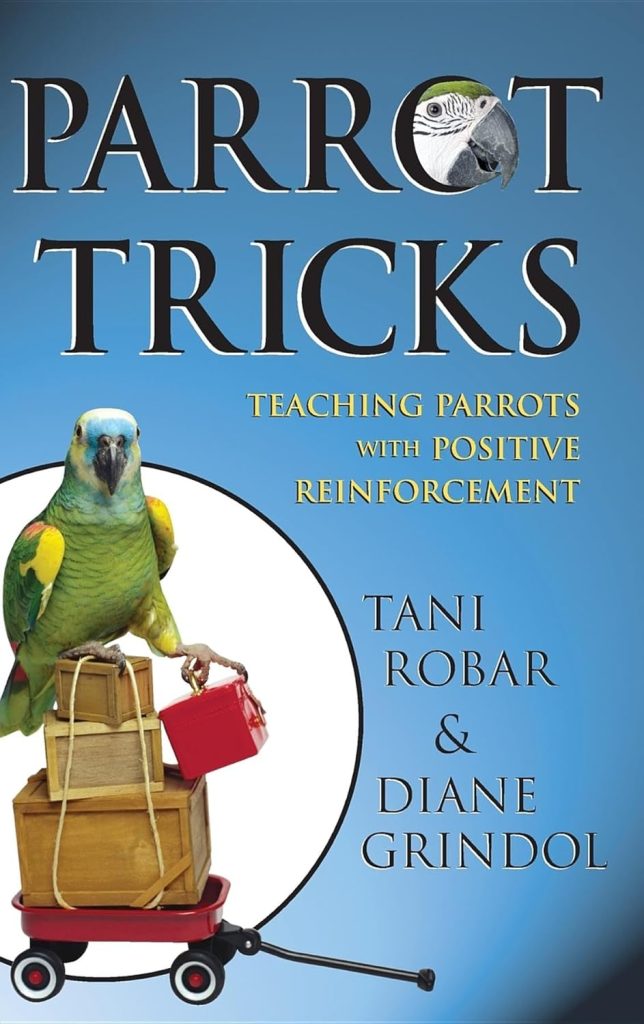
By understanding the principles behind positive reinforcement, pet owners can create a stimulating environment that lays the groundwork for deeper connections between them and their birds. As you begin to apply these techniques, important transformations can occur not only in your bird’s behavior but also in the overall atmosphere of your home.
Ready to delve into this transformative approach? Let’s explore the various techniques and their impact on your pet bird’s behavior and learning capabilities. As you embark on this journey, may your patience and dedication yield a flourishing relationship with your avian companion.
DISCOVER MORE: Click here for insights on long-term benefits of balanced nutrition for your pet’s health
Understanding Key Positive Reinforcement Techniques
To effectively utilize positive reinforcement methods for your pet bird, it is essential to dive into specific techniques and understand how they can be applied in training. By acknowledging what motivates your bird, you can introduce rewards that resonate with its natural instincts, thereby reinforcing good behavior. Here are key methods to consider:
1. Food Rewards
Food is one of the most potent motivators for many birds. Utilizing small, healthy treats can capture your bird’s attention and encourage it to engage in desired behaviors. When choosing treats, consider options that are safe and nutritious, such as:
- Sunflower seeds (in moderation)
- Bits of fresh fruits like apples or berries
- Veggies such as carrots or peas
Ensure these treats are small enough for your bird to consume quickly, thus keeping the focus on training and minimizing distraction.
2. Verbal Praise and Affection
For some birds, verbal praise or affectionate gestures can be as valuable as food. Your enthusiastic tone or gentle petting can create a secure environment that encourages trust. Try combining several forms of praise, such as:
- Saying “good bird” in a soft voice
- Offering a gentle head scratch as a reward
- Using a distinct phrase that signals positive reinforcement
Over time, your bird will understand and respond positively to these cues, reinforcing a strong bond between you.
3. Clicker Training
Clicker training is an innovative method that involves using a clicker device to mark desired behaviors. The idea is simple: the click sound serves as an immediate signal that a reward is coming. Start your training sessions with short periods, gradually extending them as your bird becomes more comfortable. This technique not only enhances your bird’s learning experience but also makes training sessions enjoyable and engaging. The process typically follows these steps:
- Have the clicker ready before you begin the training.
- Wait for your bird to perform the desired action, such as stepping onto your finger.
- Click the moment the bird complies, followed by offering a treat.
- Repeat consistently to reinforce the behavior.
Utilizing these positive reinforcement methods can lead to remarkable transformations in your bird’s behavior, ranging from improved social interactions to acquiring new skills. Ultimately, these techniques create a safe space for growth, allowing both you and your bird to thrive together. As you implement these strategies, keep in mind that patience is vital; the journey of training a pet bird is not only about instruction but also about building a trust-filled relationship.
| Advantages | Description |
|---|---|
| Enhanced Bonding | Using positive reinforcement, pet birds learn to associate their owners with rewards, leading to a stronger trust connection. |
| Skill Development | Birds can acquire new skills more effectively, allowing owners to teach their pets tricks and tasks through consistent and reward-based training. |
| Encouraged Natural Behaviors | Reinforcing positive actions, such as foraging and socializing, helps in fostering the natural instincts of birds, leading to healthier, happier pets. |
| Reduction of Fear | Positive reinforcement can significantly decrease anxiety, allowing birds to feel safer in their environment, which is essential for behavioral development. |
The various positive reinforcement methods not only facilitate learning but also address behavioral issues effectively. Techniques such as clicker training can be particularly advantageous, allowing for precise timing of rewards. This method reinforces the idea that desired behaviors yield pleasant outcomes, which is a crucial aspect of modifying any undesirable actions. By utilizing such strategies, pet owners can cultivate an enriching and fulfilling experience for their birds. The consistent use of rewards fosters a deeper understanding and strengthens the human-animal relationship, encouraging active engagement and mutual respect. Thus, the journey of training becomes not only transformative for the bird but also rewarding for the owner.
DISCOVER MORE: Click here to learn about your pet’s nutritional needs
In-Depth Techniques for Strengthening the Bond
Embracing positive reinforcement methods is a powerful way to train your pet bird, and it can lead to a profound transformation in their behavior and your relationship. Beyond the core techniques previously discussed, there are additional strategies that can be utilized effectively to enhance learning and foster trust.
4. Target Training
Target training is a fascinating approach that involves teaching your bird to touch a specific object, known as a target, with its beak or feet. This not only promotes mental stimulation but also establishes clear communication between you and your pet. To start, you will need a stick or an object that can serve as the target. Here’s how to implement target training:
- Introduce the target to your bird, allowing it to explore the object.
- When your bird touches the target, immediately click and reward with a treat.
- Gradually increase the distance between the bird and the target to challenge its skills.
Target training is an excellent way to teach your bird complex behaviors, such as moving to designated areas or performing tricks, while reinforcing positive actions with rewards.
5. Shaping Behavior
Shaping behavior is a gradual process of reinforcing successive approximations of a desired behavior. This technique is particularly useful for teaching complex tasks. The key is to break down the behavior into smaller, achievable steps. For example, if you want to teach your bird to spin in a circle, you can start by rewarding it for simply turning its head. Over time, reward each step that brings it closer to the full spin:
- First, reward for turning its head.
- Next, reward for a slight movement of its body.
- Finally, reward until your bird completes the full spin.
This process not only helps your bird learn but also boosts its confidence, as each step taken is met with positive reinforcement.
6. Incorporating Social Play
Social interaction is an essential facet of a pet bird’s life. Incorporating play into training sessions can enhance the learning experience and strengthen your bond. You can harness this by introducing toys that encourage play and interaction. Here are some ideas:
- Use puzzle toys that dispense treats as your bird engages with them.
- Engage in games like hide-and-seek with your bird’s favorite toys.
- Encourage your bird to mimic sounds or phrases while engaging with you.
Social play not only encourages good behavior but also helps alleviate boredom, thereby promoting a healthier mental state.
7. Consistency and Routine
Stability and consistency play crucial roles in training sessions. Establishing a routine can help your bird anticipate training times, making it more likely to engage positively. You might choose to conduct training during times when your bird is most active and alert, often in the morning. Additionally, maintaining a consistent approach in your training—whether through specific commands or hand signals—allows your bird to learn more effectively. Keep sessions short and fun, as extensive training might lead to fatigue or frustration.
By employing these advanced positive reinforcement methods, you can cultivate a meaningful relationship with your pet bird while simultaneously enhancing its skills. The ongoing journey of trust and communication will not only enrich the life of your feathered friend but will also deepen your connection, allowing for a fulfilling companionship.
DISCOVER MORE: Click here to enhance your dog’s behavior
Conclusion: Nurturing Your Bird’s Potential
In summary, utilizing positive reinforcement methods is not just a training technique; it is a pathway to building a deeper bond with your pet bird. Throughout this exploration, we’ve seen how strategies like target training, shaping behavior, social play, and maintaining consistency can profoundly impact your bird’s learning experience and emotional well-being. By encouraging your feathered friend through rewards and positive interactions, you unlock their potential, fostering an atmosphere rich in trust and communication.
As you embark on this journey, consider that the essence of training lies not only in the behaviors you wish to teach but also in understanding your bird’s unique personality and needs. Each interaction offers an opportunity to strengthen your relationship, making training sessions enjoyable and rewarding for both you and your pet. Remember, patience and persistence are keys to success, and the use of these methods is more than just skill-building; it cultivates a fulfilling companionship that can last a lifetime.
As you delve deeper into the world of positive reinforcement, put your newfound knowledge to the test. Explore diverse techniques tailored to your bird’s unique temperament, and witness the joy this bond brings. Elevate your training game, and your efforts will surely yield a heartening reward: a happy, well-adjusted, and trusting companion, eager to share in the adventures of life by your side.

Linda Carter
Linda Carter is a writer and pet care expert specializing in pet health, grooming, and wellness. With extensive experience helping pet owners create safe, loving, and enriching environments for their animals, Linda shares her knowledge on our platform. Her goal is to empower readers with practical advice and strategies to ensure their pets thrive and lead joyful, healthy lives.