Socialization Methods for Dogs: Preparing Your Pet for Safe and Confident Interactions
Understanding Dog Socialization
Effective dog socialization is crucial for ensuring safe and confident interactions with both humans and other animals. It’s not just a mere luxury; it’s an essential part of a dog’s upbringing that lays the foundation for their behavior throughout life. Socialization is a process that helps dogs learn how to interact with the world around them, encompassing sights, sounds, and various experiences that they will undoubtedly encounter during their lifetime.
Why Socialization Matters
Proper socialization can prevent various behavioral issues, enhancing your dog’s quality of life and improving your relationship with them. Here are a few key benefits that effective socialization brings:
- Reduces Fear: Properly socialized dogs tend to approach new experiences with curiosity instead of fear. For example, a dog that has been introduced to various environments—like busy sidewalks, parks filled with children, or bustling pet stores—will likely show less anxiety in similar situations later, making outings more enjoyable for both the dog and the owner.
- Minimizes Aggression: Well-socialized dogs are less likely to react aggressively in unfamiliar situations. These dogs are trained to remain calm and collected, allowing them to respond appropriately to other animals and people. For instance, a dog exposed to different breeds and temperaments is less likely to act defensively around them.
- Boosts Confidence: Regularly exposing your pet to diverse environments and situations builds their self-esteem. A confident dog is typically more resilient and better adapted to new challenges, such as meeting new friends at a dog park or navigating their way through crowded public spaces.
Methods of Socialization
Various methods can be employed to ensure your dog becomes well adjusted. Some effective strategies to nurture your dog’s social skills include:
- Play Dates: Organizing interactions with other dogs can develop social skills. These informal play meetings allow dogs to learn appropriate play styles, body language, and how to handle excitement. It’s essential to supervise these interactions to ensure that all dogs play safely and enjoyably.
- Obedience Classes: Training classes provide structured environments for learning. These classes not only teach basic commands but also expose dogs to various listening situations and the distractions of other animals and handlers, promoting teamwork and bonding.
- Exposures to Different Environments: Visiting parks, busy streets, and pet-friendly stores helps acclimate them to bustling environments. Each new experience can be an opportunity for positive reinforcement, which aids in creating a more adaptable dog. This could also include travel experiences, where dogs learn to behave appropriately in new locales—whether it be a beach, a hiking trail, or even on a weekend road trip.
These methods not only improve behavior but also enhance the bond between you and your furry friend. Providing your dog with a plethora of socialization experiences is a valuable investment towards their happiness and adaptability. Equip yourself with knowledge about these essential socialization strategies to prepare your pet for a thriving social life, ultimately enriching both their lives and yours. With time, patience, and consistent practice, you’ll witness the positive transformations that good socialization brings to your canine companion.
DISCOVER MORE: Click here to learn about your pet’s nutrition
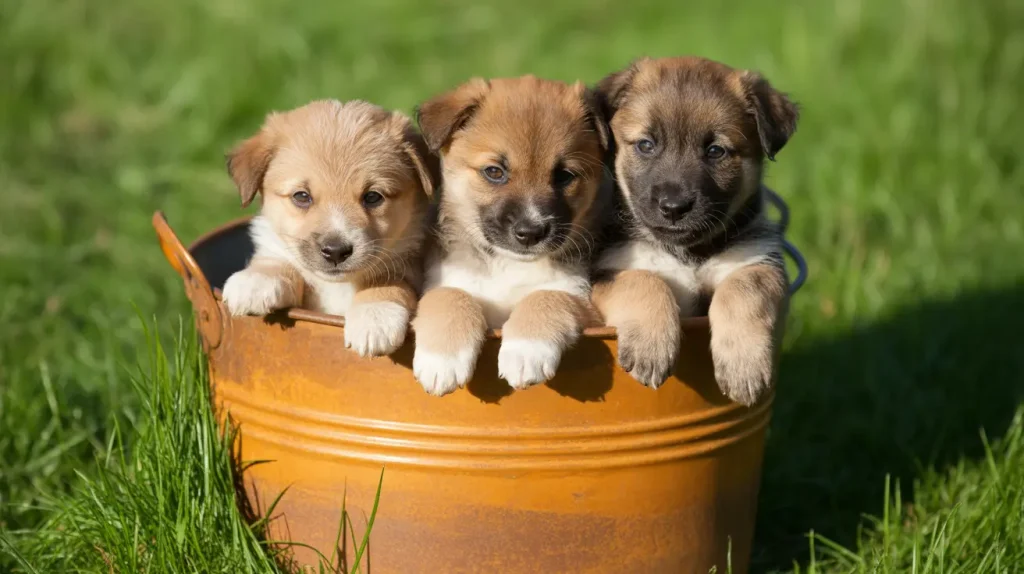
Essential Socialization Methods for Your Dog
As a loving pet owner, it’s essential to understand that socialization is not a one-time event but a continual process. Successful dog socialization requires ongoing commitment and a variety of techniques to expose your furry friend to different environments, people, and other animals. This proactive approach sets the stage for a well-adjusted pet capable of handling various social situations with poise and friendliness.
Here are some invaluable methods for socializing your dog:
- Field Trips: Taking your dog on field trips is one of the best ways to introduce them to diverse environments. Choose pet-friendly locations such as farmers’ markets, outdoor cafes, or local festivals. The variety of sights, sounds, and smells will stimulate your dog’s senses, and exposing them to bustling crowds can build their comfort level with busy settings. Be sure to reward them with treats and praise for displaying calm behavior in these new surroundings.
- Positive Reinforcement: Associating new experiences with something positive is vital for effective socialization. Always have treats on hand and reward your dog immediately when they exhibit confidence and calmness during interactions. Whether they’re meeting a new person or playing with another dog, positive reinforcement helps to consolidate their learning and solidify good behavior.
- Group Training Sessions: Enrolling your dog in group training sessions provides structured learning alongside other canines, which is incredibly beneficial for socialization. These sessions not only help your dog learn essential obedience commands, but they also allow for focused interactions with different dogs, reinforcing appropriate behavior. Trainers often have valuable insights on managing group dynamics, ensuring a constructive atmosphere for all participants.
- Exposure to Various Scenarios: Diversify your dog’s social experience by introducing them to a range of situations. From passing vehicles to loud machinery, or even visiting a veterinarian’s office, these encounters can help your dog learn to cope with different stimuli. Consistent exposure, coupled with a calming presence from you, will help diminish their anxiety over time. Set achievable goals for these exposures; incremental steps will keep experiences positive and manageable.
Employing these strategies enhances your dog’s social skills dramatically but also helps build a stronger bond between you and your pet. Dogs thrive when they feel secure in their environment, and your commitment to their socialization journey can have lasting benefits. By investing time in these techniques, you not only equip your furry companion with the tools they need for safe interactions but also heighten your enjoyment of shared experiences. Throughout this process, remember that patience and consistency will yield the best results, leading to a happy, well-rounded dog ready to embrace the world.
| Socialization Method | Advantages |
|---|---|
| Group Classes | Provides exposure to various dogs and people, helping to build confidence in different social settings. |
| One-on-One Sessions | Tailored interactions that address specific behavioral issues, ensuring a personalized approach to training. |
| Controlled Outdoor Experiences | Encourages exploration in a safe environment, fostering adaptability to new sounds and sights. |
| Playdates | Facilitates social skills in a relaxed setting, promoting positive interactions and bonding with other dogs. |
| Public Outings | Exposes dogs to various situations, reducing fearfulness and enhancing their overall experience in public. |
Understanding the diverse socialization methods available can significantly enhance your dog’s ability to interact safely and confidently with others. Each method has its unique benefits, and combining them can lead to a well-adjusted pet. For instance, group classes not only help dogs learn basic commands but also allow them to develop social cues by interacting with other dogs. Moreover, one-on-one sessions allow trainers to focus on particular issues, making it ideal for dogs that may be shy or aggressive. The importance of controlled outdoor experiences cannot be overstated, as familiarizing your pet with new environments can equip them to handle unexpected situations smoothly. Playdates are particularly beneficial, as they give pups the opportunity to practice their social skills in a less structured environment. Lastly, public outings teach dogs to remain calm amidst distractions, significantly minimizing instances of anxiety during daily walks or trips.By exploring these methodologies, you prepare your dog not just for response, but for genuine connection during interactions. For further exploration of these methods, seek trainers or facilities that specialize in dog socialization techniques.
DISCOVER MORE: Click here to learn about your pet’s nutrition
Innovative Approaches to Dog Socialization
Incorporating diverse and innovative methods into your dog’s socialization routine can profoundly enhance their ability to interact with the world around them. While traditional practices remain effective, new strategies have emerged that can make socialization even more engaging and beneficial for your pet. Here are some advanced techniques to consider:
- Playdates: Establishing regular playdates with another well-socialized dog offers invaluable opportunities for your pup to practice their social skills in a controlled environment. Choose a dog that is calm and friendly, and allow them to interact freely under supervision. This not only helps reduce potential anxiety but also encourages healthy play behaviors while fostering trust between your dog and their peers.
- Canine Sports and Activities: Engaging your dog in canine sports such as agility, flyball, or nosework not only provides mental and physical stimulation but also promotes teamwork and bonding between you and your dog. These activities often occur in group settings, creating chances for interaction with other dogs and handlers. Such high-energy environments can be particularly beneficial for dogs that exhibit shyness, as they can learn to channel their excitement into positive behavior.
- Structured Socialization Classes: Many training facilities offer structured socialization classes tailored specifically for puppies and adult dogs. These classes focus on gradual exposure to various stimuli, such as different surfaces, sounds, and other animals. In addition to behavioral training, the controlled setting allows for social interactions at a pace that suits each dog’s comfort level, promoting a calm and confident demeanor.
- Visit Dog-Friendly Businesses: More than ever, businesses are becoming dog-friendly, from breweries to retail stores. Taking your dog along to these establishments helps them become acclimated to a variety of environments while allowing you to reward good behavior. Exposure to new people, different smells, and sounds creates a well-rounded experience that can enhance their adaptability in social settings.
- Utilizing Tools and Enrichment Activities: Incorporating engaging toys and puzzles in your dog’s routine can provide mental stimulation that complements social interactions. Enrichment activities encourage problem-solving and focus, which can help manage behavioral issues resulting from anxiety or excess energy. Additionally, consider using calming products such as pheromone diffusers or anxiety wraps to assist dogs that may feel overwhelmed during socialization.
As you explore these innovative approaches, it becomes essential to remain attentive to your dog’s reactions and comfort levels. Socialization is about creating a positive association with new experiences, and understanding your pet’s behavior will guide you in capitalizing on opportunities for growth. By consistently integrating fresh methods into your dog’s routine, you set a foundation for lifelong confidence and adaptability. In a world filled with distractions and stimuli, the goal is to equip your furry friend with the tools they need to navigate it safely and fearlessly.
DON’T MISS: Click here for essential tips
Conclusion: Elevating Your Dog’s Socialization Journey
In conclusion, effective socialization methods for dogs are vital for fostering safe and confident interactions with both people and other animals. By implementing a variety of techniques—ranging from structured classes and playdates to engaging in canine sports—you can tailor a socialization strategy that nurtures your dog’s emotional intelligence and adaptability. Each method offers unique advantages, ensuring that your pet not only learns to cope with new situations but also thrives within them.
Furthermore, as pet owners, your role extends beyond merely exposing your dog to new experiences. Continuous observation and responsiveness to their emotional cues are critical for creating a positive atmosphere. As you embark on this journey, consider integrating exciting outings to dog-friendly businesses or utilizing enrichment activities that stimulate your dog’s mind. This multifaceted approach can lead to significant improvements in their behavior.
Ultimately, while the task of socializing your dog might seem daunting, it is essential to remember that a well-socialized dog is a happy and well-adjusted member of your family. By fostering an environment rich in positive interactions, you’ll not only enhance your dog’s quality of life but also deepen the bond between you two. Let this be a reminder that the path to a confident, sociable dog is one of patience, creativity, and above all, love.

Linda Carter
Linda Carter is a writer and pet care expert specializing in pet health, grooming, and wellness. With extensive experience helping pet owners create safe, loving, and enriching environments for their animals, Linda shares her knowledge on our platform. Her goal is to empower readers with practical advice and strategies to ensure their pets thrive and lead joyful, healthy lives.