The Importance of Volunteering in Shelters: How to Help with Animal Adoption and Learn from the Experience

The Role of Volunteers in Supporting Animal Shelters
Every year, millions of animals enter shelters across the United States, often in desperate need of a loving home. The conditions in which these animals find themselves can be dire, making the role of volunteers not only beneficial but vital. Volunteering in animal shelters presents opportunities that go beyond mere animal care; it cultivates a deeper connection with community welfare and helps develop essential life skills.
Engaging with shelter animals can foster empathy, responsibility, and a profound understanding of the importance of animal welfare. Each moment spent caring for a shelter animal can teach volunteers about the individual needs of different species, as well as the emotional complexities of animal behavior.
Support Animal Adoption
By volunteering, you help enhance the chances of animals finding forever homes. Activities such as socializing pets, providing companionship, or simply walking dogs can significantly improve their demeanor. This is crucial as behavioral issues often deter potential adopters. For example, a dog that learns basic commands and social skills through consistent volunteer interaction is more likely to catch the eye of a prospective owner. In fact, studies have shown that pets who receive regular human interaction are less stressed and more prepared to adapt to a new home environment.
Promote Public Awareness
Volunteers do not just work behind the scenes; they also act as advocates for animal welfare. By promoting shelter events and sharing adoption success stories on social media, they help raise public awareness about the challenges many sheltered animals face. This grassroots movement encourages local communities to consider adopting rather than buying pets, fostering a culture of compassion. Community events such as open houses, pet fairs, or even informative workshops can greatly benefit from the enthusiastic participation of volunteers.
Develop Skills
In addition to helping animals, volunteering provides individuals with the opportunity to develop new skills in animal care and shelter operations. Tasks might include administering basic medical care, understanding animal behavior, or even acquiring administrative skills through fundraising and outreach efforts. Volunteers often leave these experiences with enhanced resumes, which can be particularly beneficial for those seeking careers in veterinary medicine, animal behavior, or non-profit management.
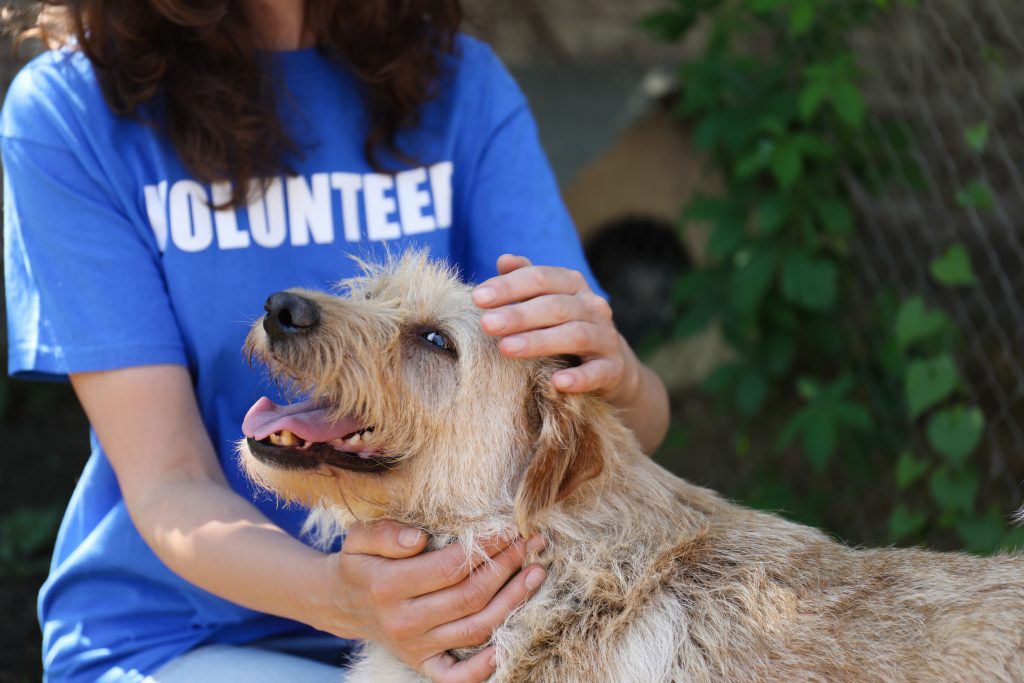
Furthermore, volunteering allows individuals to connect with other like-minded people, strengthening the community bond. As volunteers share their passion for animal welfare, they often form lasting friendships and networks that can lead to further opportunities within animal advocacy.
Ultimately, getting involved in animal shelters not only offers a way to make a tangible difference in the lives of animals but also opens avenues for personal growth. Whether you are a seasoned animal lover or new to the scene, the lessons learned extend far beyond the confines of shelter walls. Consider the significant impact you can have through volunteering, and discover the transformative experiences that await you.
DIVE DEEPER: Click here to uncover the secrets of clicker training
Enhancing Animal Welfare Through Volunteer Engagement
Volunteering in animal shelters is a unique opportunity that allows individuals to make impactful contributions while also acquiring valuable life skills. The importance of volunteering in shelters extends far beyond the immediate needs of the animals; it provides a multifaceted platform for personal development and community engagement. Understanding the various roles that volunteers play can shed light on the critical nature of this work.
Make a Direct Impact on Animal Lives
One of the most significant ways volunteers assist is by directly improving the lives of the animals. The time spent with shelter animals is crucial for several reasons:
- Socialization: Helping animals become accustomed to human interaction can ease their transition into a new home. Regular play sessions and training can significantly enhance their behavior.
- Basic Training: Teaching essential commands and manners can increase an animal’s chances of adoption. Dogs that respond to commands are viewed more favorably by potential adopters.
- Health Checks: Volunteers often help monitor the health of animals, reporting any concerns to staff. This vigilance ensures timely care and improves overall well-being.
Impact statistics further illustrate this point. According to a 2021 report from the American Society for the Prevention of Cruelty to Animals (ASPCA), shelters with active volunteer programs have a significantly higher rate of adoptions, sometimes up to 25% more than those without. This statistic underscores that volunteer engagement can dramatically change the fate of homeless animals.
Fostering Community Engagement
Volunteers are instrumental in fostering a sense of community around animal welfare. Their efforts extend beyond the shelter’s walls; they often serve as advocates, creating awareness and encouraging collective responsibility towards stray and shelter animals. The role of volunteers in organizing community outreach events cannot be understated. Initiatives such as:
- Adoption Days: These events draw in potential adopters, enriching the chances for animals to find their forever families.
- Educational Workshops: Providing information about responsible pet ownership and the importance of adopting rather than buying pets can shape community attitudes.
- Fundraising Activities: Volunteers help secure funds for shelter operations, which can directly influence the quality of care animals receive.
By increasing public participation, volunteers not only enhance the shelter’s visibility but also create a ripple effect encouraging others to join the cause. The increased awareness translates to more adoptions and improved funding, allowing shelters to operate more effectively.
Personal Growth Through Volunteerism
Perhaps one of the most rewarding aspects of volunteering in animal shelters is the opportunity for personal growth. Engaging in animal care provides a hands-on learning environment where individuals can develop essential skills such as:
- Communication: Working with diverse groups, from staff to fellow volunteers, hones interpersonal skills.
- Organization: Keeping track of tasks, schedules, and responsibilities teaches essential time management.
- Compassion: Understanding and responding to the needs of animals fosters a nurturing mindset.
These skills are not only applicable in animal welfare but are transferable to various career paths, enriching personal and professional lives alike. Whether you’re passionate about pets or looking for a fulfilling way to give back, the benefits of volunteering in shelters are profound and multifaceted.
| Advantage | Description |
|---|---|
| Enhanced Community Connection | Volunteering at shelters fosters a strong sense of community, connecting people through a shared love for animals and a desire to facilitate animal adoption. |
| Skill Development | Volunteers gain valuable skills such as animal care, customer service, and teamwork, which are beneficial pursuits in both personal and professional realms. |
Volunteering in shelters is an enriching experience that not only benefits the animals but also profoundly impacts the volunteers. One of the most significant advantages is the opportunity to develop empathy and responsibility towards animals in need. This hands-on experience can be transformational, teaching individuals about compassion while also promoting an understanding of the importance of animal welfare.Moreover, engaging with potential adopters and helping them understand their future pet’s needs is an essential part of the volunteering experience. This direct interaction enhances the chances of successful adoptions. Volunteering is also a fantastic way to meet like-minded people, forming a network of individuals passionate about making a difference.The insights gained from volunteering can be profound. Volunteers often leave with a greater appreciation for shelter work and the challenges faced by animals, ultimately guiding them in their future decisions regarding pet ownership and community involvement. Each moment spent in a shelter is more than just an act of service; it’s an investment in a brighter future for many animals waiting for a loving home.
DISCOVER MORE: Click here for the long-term benefits of balanced nutrition for your pet
The Transformative Power of Volunteering in Animal Shelters
Volunteering in animal shelters is not just a way to assist those in need; it is also a profound avenue for personal discovery and social contribution. By immersing oneself in the day-to-day operations of a shelter, volunteers gain insights into animal behavior and the mechanics of welfare systems in their communities. This engagement transforms not only the lives of the animals but also enriches the lives of the volunteers themselves.
Learning Opportunities and Skill Development
The attributes gained from volunteering in an animal shelter go far beyond mere experience. Volunteers frequently acquire specialized knowledge that can be invaluable in their personal or professional endeavors:
- Animal Care Knowledge: Understanding animal behaviors, health needs, and training methods equips volunteers to make informed decisions regarding pet care and fosters responsible ownership within their communities.
- Crisis Management: In the fast-paced environment of animal shelters, volunteers often learn to handle unexpected challenges, such as animal behavioral issues or emergency medical situations, fostering critical thinking and adaptability.
- Teamwork and Leadership: Collaborating with diverse teams encourages volunteers to discover their roles within a group. Leadership opportunities may arise, enhancing confidence and decision-making abilities.
These skills not only empower volunteers to further the mission of animal welfare but also position them favorably in various professional ecosystems. According to a study from the Corporation for National and Community Service, 63% of employers consider volunteering experience as a valuable asset, often equating it with work experience and reliability.
Creating Lifelong Connections
Engaging with animals and fellow volunteers likewise fosters meaningful connections. The emotional bonds developed while caring for shelter animals can lead to long-lasting relationships among volunteers, staff, and even adopters. The collaborative environment found in shelters allows for the sharing of experiences and ideas, culminating in a supportive network for individuals passionate about animal welfare. Furthermore, these connections can extend into local communities through:
- Networking Events: Many shelters host social events where volunteers can connect with local advocates, animal trainers, and veterinarians, creating potential career opportunities and collaborations.
- Volunteer Appreciation Programs: Regular recognition events cultivate a sense of belonging and commitment among volunteers, encouraging ongoing engagement and community spirit.
- Shared Missions: Engaging in advocacy and rescue drives together strengthens the initiative and solidarity among those committed to animal welfare, promoting unity within a cause that transcends individual motivation.
By fostering a culture of collaboration and shared purpose, volunteers can harness an influential network that extends outside the shelter realm, promoting greater outreach for animal adoption and welfare.
Shaping Future Generations of Animal Advocates
Volunteers play a fundamental role in shaping the attitudes of future generations toward animal adoption and welfare. By collaborating with schools and educational institutions, shelters can host tours and interactive sessions that instill compassion and responsibility in young minds. Programs targeting youth, such as:
- Youth Volunteer Programs: Enabling young people to participate in shelter activities encourages them to adopt values of empathy and accountability.
- School Partnerships: Integrating animal welfare topics into school curricula can help instill awareness about the plight of homeless animals and responsible pet ownership.
- Internships and Mentorship Programs: Providing hands-on experiences prepares students for future careers in veterinary science, animal law, or nonprofit organization management.
This educational approach not only enhances animal adoption rates but also cultivates a culture of proactive advocates prepared to continue the pursuit of animal welfare in their communities, ensuring a sustainable future.
LEARN MORE: Click here for essential tips on pet disease prevention
Conclusion: A Call to Action for Compassionate Engagement
The significance of volunteering in animal shelters transcends the immediate act of providing care; it embodies a commitment to community and the ethical stewardship of vulnerable lives. Through this experience, volunteers not only facilitate animal adoption but also cultivate essential life skills and forge invaluable connections. The transformative journey encapsulates a wide spectrum of learning opportunities, from acquiring knowledge about animal care to enhancing collaboration and leadership abilities.
Moreover, by actively participating in shelter initiatives, volunteers contribute to a ripple effect that promotes awareness and advocacy for animal welfare. By engaging with youth and connecting them to the cause through educational programs, volunteers help shape a future generation that prioritizes empathy and responsibility toward animals. This establishes a sustainable framework for continued community involvement and better adoption rates.
As we reflect on the profound impact of volunteerism, we encourage individuals from all walks of life to consider dedicating their time and skills to local shelters. Embracing this call to action not only aids in the immediate needs of the animals but also fosters an enriched community atmosphere built on compassion and understanding. By sharing this journey with others, we can collectively raise awareness and create a movement toward a more humane society. In an era where every act of kindness counts, volunteering in shelters stands as a powerful reminder that together, we can make a difference, one paw at a time.

Linda Carter
Linda Carter is a writer and pet care expert specializing in pet health, grooming, and wellness. With extensive experience helping pet owners create safe, loving, and enriching environments for their animals, Linda shares her knowledge on our platform. Her goal is to empower readers with practical advice and strategies to ensure their pets thrive and lead joyful, healthy lives.