Vaccination in Pets: Myths and Truths for a Healthy Pet
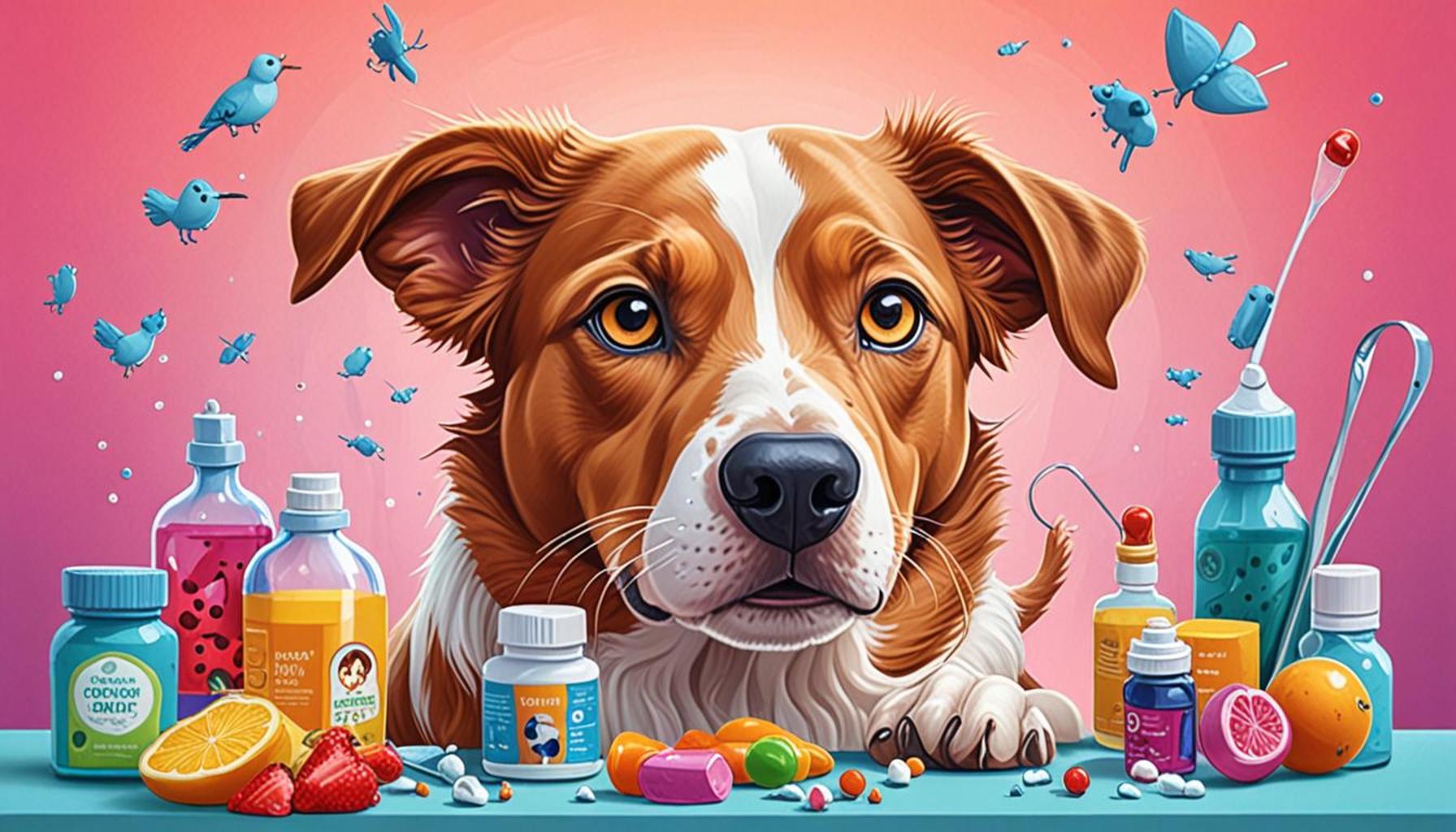
The Crucial Role of Vaccination in Pet Health
Veterinarian professionals and animal health experts unanimously agree that vaccination is a cornerstone of preventive health care for pets. As our furry companions increasingly become beloved family members, it’s essential to understand the rationale behind keeping their vaccinations up to date. To begin with, it is important to debunk some commonly held myths that often lead to hesitant attitudes toward immunizing pets.
One prevalent misconception is that vaccinations are unnecessary for indoor pets. While it is true that indoor pets may face less exposure to certain pathogens, many infectious diseases can be transmitted through common items entering the home, such as shoes or clothing. Additionally, some vaccines are not just about protecting the individual animal; they also contribute to herd immunity, which protects vulnerable animals in the community. For example, the rabies vaccine is crucial as rabies is fatal once clinical symptoms appear and can be transmitted to humans.
Another belief that raises concern is the idea that all vaccines are harmful. It is important to note that, like any medical treatment, vaccines may carry some risks or side effects, but these are generally far outweighed by the benefits they confer. Serious adverse reactions are extremely rare, and the majority of pets experience only minor, temporary side effects like mild swelling or lethargy. The benefits of vaccination in preventing life-threatening diseases greatly surpass these concerns. Vaccines such as the canine parvovirus vaccine have been instrumental in reducing the incidence of this highly contagious and deadly disease.
Many pet owners incorrectly assume that once vaccinated, pets don’t need any more shots. In actuality, the duration of immunity can vary significantly between different vaccines and between individual animals. For instance, while a dog may be protected from distemper for a number of years after initial vaccination, rabies vaccinations typically require annual or triannual boosters depending on state laws. Regular veterinary check-ups are crucial to assess your pet’s vaccination status and adjust their health plan accordingly.
Arming yourself with accurate information about pet vaccinations will not only benefit the health of your furry friends but also strengthen your role as a responsible pet owner. Vaccination serves as a barrier against serious diseases, some of which—like leptospirosis—can affect humans. Hence, understanding the truths about vaccinations is vital for safeguarding your pets and contributing to public health. Continue to explore reputable sources and consult your veterinarian regularly to ensure that your beloved companions receive the best possible care.
In conclusion, vaccines are a critical tool in our fight against preventable diseases and have been proven to save lives. By staying informed and engaged, you can make the best health choices for your pets now and in the future.
DISCOVER MORE: Click here to learn about your pet’s nutrition
Unveiling the Truth Behind Vaccinations
Understanding vaccination in pets is crucial for every pet owner. Beyond protecting individual animals from disease, vaccinations play a significant role in fostering overall community health among pets. However, misinformation has proliferated over the years, creating a landscape filled with myths and misunderstandings. Let’s explore some critical truths that can help demystify the subject of pet vaccinations.
First and foremost, let’s address the concern that puppies and kittens do not need vaccinations until they are older. Contrary to this belief, young animals are particularly susceptible to infectious diseases. Vaccination during their early developmental stages is essential for building immunity against various illnesses like canine distemper, feline leukemia, and parvovirus. In fact, many veterinarians advocate for a series of initial vaccinations, often referred to as the “puppy shots” or “kitten shots,” which typically occur around six to eight weeks of age and continue every three to four weeks until they are at least sixteen weeks old.
Many pet owners may also question the necessity of vaccinating pets against diseases prevalent in other regions. It is essential to understand that illnesses can spread rapidly and unpredictably, often crossing state lines. For example, the canine influenza virus, which has seen outbreaks in various parts of the U.S., underscores the need for vaccinations regardless of where you live. Keeping pets current on vaccinations not only protects them but also forms a barrier against pathogens that could affect other animals and even owners in the household.
As you navigate the intricacies of pet vaccinations, it’s critical to be aware of the following key truths about vaccines:
- Vaccines are rigorously tested: Before being approved, vaccines are subjected to thorough safety and efficacy testing.
- Boosters are necessary: Vaccines do not always provide lifelong immunity, and many require booster shots to ensure continued protection.
- Veterinary guidelines evolve: Recommendations regarding vaccines are updated frequently based on new research and data to optimize pet health care.
- Consultation is crucial: It is vital to have regular discussions with your veterinarian about your pet’s vaccination schedule and any changes that may be necessary over time.
A common misconception is that pets can “over-vaccinate” or receive unnecessary exposure to vaccines throughout their lives. It’s important to remember that individualized health assessments conducted by veterinarians will determine the appropriate vaccination schedule for each pet. Your vet will consider factors such as age, lifestyle, any pre-existing conditions, and even the potential for exposure to certain diseases that might guide their recommendations.
The larger picture emphasizes the role of vaccinations in pet health and community wellness, serving not just your pet, but also other animals and humans. By staying informed and actively engaging in your pet’s health care, you ensure that your furry family member thrives. With the correct information, pet owners can confidently navigate the complex landscape of vaccinations, helping to steer their pets toward a long, healthy life.
| Myth vs. Truth | Implications for Pet Health |
|---|---|
| Myth: Vaccines are harmful and can cause long-term damage to pets. | In reality, vaccines are thoroughly tested and necessary for protecting pets against serious diseases. |
| Truth: Vaccinating pets saves lives. | Vaccines boost immunity and are crucial in preventing outbreaks of diseases like rabies and parvovirus. |
The document highlights common misconceptions about pet vaccinations while emphasizing the vital role they play in maintaining optimal health. Many pet owners believe that vaccines can lead to health issues or behavioral changes, but these concerns often stem from misleading information. Understanding that vaccinations are a safe and effective measure can foster informed decisions and promote healthier lives for our pets. Furthermore, it’s essential to recognize that vaccination not only protects individual pets but also contributes to community health by establishing herd immunity. This dynamic is especially important in urban environments where pet interactions are frequent. Thus, educating oneself about the science behind vaccinations is critical for any responsible pet owner. Pet parents are encouraged to discuss vaccination schedules with a trusted veterinarian to ensure proper care tailored to their pets’ specific needs, especially as they age or encounter various environmental factors.
DISCOVER MORE: Click here for essential tips
Addressing Common Myths About Pet Vaccinations
While understanding the importance of vaccination in pets is essential, debunking prevalent myths can further empower pet owners in their decision-making. One common myth is that natural immunity from exposure to disease is preferable to vaccination. While it might seem logical that pets can build a stronger immune response by overcoming an illness, this approach poses significant health risks. Many diseases, especially those that vaccinations protect against, can have severe, life-threatening consequences. By vaccinating, pet owners can help their pets avoid the dangers associated with serious illnesses, laying the foundation for a healthier life.
Another myth suggests that once a pet has been vaccinated, they are protected for life. This notion can lead to critical gaps in immunity. Veterinary experts often recommend periodic booster shots for diseases such as rabies or parvovirus to maintain a pet’s immunity. Some vaccines, like those for leptospirosis, require annual boosters due to the changing strains of the bacteria. Staying diligent and adhering to your veterinarian’s vaccination schedule is crucial to ensuring your pet remains safeguarded against these threats.
It is also important to clarify that vaccinations are not just for dogs and cats. Other household pets, including rabbits and ferrets, can benefit from vaccinations against various diseases. For instance, ferrets are particularly vulnerable to canine distemper, a highly contagious disease that can be fatal. Vaccination can significantly reduce the risk of transmission and help maintain a healthier pet community.
The Impact of Vaccinations on Public Health
Beyond the health of individual pets, vaccinations contribute to the broader public health framework. Vaccinated pets help to decrease the prevalence of zoonotic diseases — illnesses that can be transmitted from animals to humans. Diseases like rabies and leptospirosis are effectively managed through vaccination, thus lowering the risk of outbreaks that can affect both animal and human populations. By ensuring that your pet is vaccinated, you are not only protecting their health, but you are also contributing to the wellness of your family, other pets, and the community at large.
Pet owners often express concerns about potential side effects associated with vaccinations. While it’s true that some pets may experience mild reactions, such as soreness at the injection site or tiredness shortly after vaccination, serious side effects are rare. Being informed is essential, and owners should discuss any concerns with their veterinary professionals. This open dialogue helps in assessing any previous reactions or risk factors that may be unique to your pet’s health, ultimately guiding the vaccination plan tailored specifically for them.
As more pet owners seek holistic approaches to health care, it’s crucial to align these methods with scientifically-backed vaccination protocols. Integrating vaccinations with healthy diets and preventative care can further bolster immunity and enhance overall pet well-being. Moreover, staying current with vaccinations can prevent the emergence of new variants of diseases, emphasizing an active role in the fight against potential outbreaks.
In navigating the complexities of pet health, an informed understanding of vaccinations is key. These preventive measures are not merely a recommendation; they are a crucial element of responsible pet ownership. Keeping pets healthy through vaccinations safeguards not only the individual but also contributes to a strong and resilient pet population, ultimately lowering the risk of disease transmission across species.
DON’T MISS: Click here to discover essential tips for your pet’s health
Final Thoughts on Vaccination in Pets
As responsible pet owners, understanding the multifaceted nature of vaccination in pets is a vital component of ensuring our furry companions lead healthy and fulfilling lives. While myths surrounding vaccinations can cause confusion and hesitation, the truth is clear: vaccinations serve as a fortress against potentially life-threatening diseases. By addressing these myths and emphasizing the realities of vaccine efficacy, we can empower ourselves and contribute to the overall health of our beloved pets.
The impact of vaccinations extends beyond our pets; it creates a ripple effect that promotes community well-being and public health by minimizing the risk of zoonotic diseases. Each vaccination administered not only protects your pet but also safeguards your family and neighbors, fostering a healthier environment for all. It is also essential to maintain an open dialogue with veterinary professionals to navigate potential concerns and tailor vaccination plans to fit each pet’s unique needs.
In a time when holistic approaches to pet care are on the rise, integrating vaccinations into a comprehensive health strategy is crucial. It ensures that pets not only enjoy a robust immune system but also remain resilient against new variants of diseases. Ultimately, being informed and proactive about pet vaccinations is a hallmark of responsible pet ownership, paving the way for a healthier pet population and a safer world.
As you reflect on your pet’s health care journey, consider vaccinations not as a checklist item but as a key element in the lifelong bond you share. Together, we can create a thriving environment for our pets — one where they flourish, free from the shadows of preventable diseases.

Linda Carter
Linda Carter is a writer and pet care expert specializing in pet health, grooming, and wellness. With extensive experience helping pet owners create safe, loving, and enriching environments for their animals, Linda shares her knowledge on our platform. Her goal is to empower readers with practical advice and strategies to ensure their pets thrive and lead joyful, healthy lives.