Menu

Cybersecurity in Times of Pandemic: How Accelerated Digitalization Changed Threats and Solutions

The COVID-19 pandemic accelerated digitalization, transforming how businesses operate and exposing them to heightened cybersecurity threats like phishing and ransomware. Organizations now prioritize robust security measures, employee training, and advanced technologies to address these evolving risks, ensuring continuity and resilience in a more interconnected digital landscape.

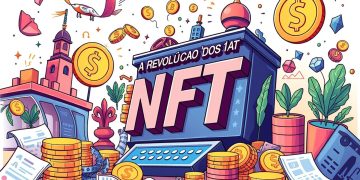
The Revolution of NFTs: How Digital Art is Changing the Financial Market

Non-fungible tokens (NFTs) are revolutionizing the digital art landscape by redefining ownership, allowing artists direct sales, and enabling ongoing royalties from secondary sales. As a new asset class, they are reshaping investment strategies in the financial market, while highlighting challenges like intellectual property issues and environmental impact.

5G and the Future of Connectivity: What to Expect from the Next Generation of Mobile Networks

5G networks are set to revolutionize mobile connectivity through increased speeds, lower latency, and greater capacity. This advancement will enhance various sectors, including healthcare, transportation, and education, while fostering smart cities and empowering the Internet of Things. The future of connectivity promises improved quality of life and efficiency for all.

Blockchain Beyond Cryptocurrencies: Innovative Applications in Various Sectors

Blockchain technology is revolutionizing various sectors beyond cryptocurrencies, enhancing transparency, efficiency, and security. Applications in supply chain management, healthcare, finance, real estate, and government services demonstrate its potential to improve operations and foster trust among users, signaling a transformative shift in multiple industries.


The Impact of Artificial Intelligence on New Approaches to Investment and Portfolio Management

Artificial intelligence is transforming investment and portfolio management by enhancing data analysis, predictive analytics, and risk management. It enables personalized strategies, cost-efficiency, and rapid responses to market changes, democratizing access to sophisticated tools for investors. This innovation is reshaping the financial landscape, driving better decision-making and client engagement.

Sustainable Investment Strategies: How to Align Profits and Social Responsibility

Sustainable investment strategies are increasingly vital as investors seek to align profits with social responsibility. With a focus on ESG factors, impact investing, and shareholder advocacy, these strategies promise competitive financial returns while fostering positive societal change, despite challenges like greenwashing and market inefficiencies.

The Role of Fintechs in New Investment Strategies for Millennials

Fintech companies are transforming investment strategies for millennials by enhancing accessibility and financial literacy. With user-friendly platforms, low entry barriers, and personalized automation tools, millennials can engage in investing while aligning with their financial goals and values, ultimately fostering a financially secure future.

The Importance of Technical Analysis in Cryptocurrency Investment Strategies

Technical analysis is essential for cryptocurrency investment strategies, enabling investors to make informed decisions through trend analysis, risk management, and data-driven insights. By mastering chart patterns and indicators, traders can enhance market timing, adapt their strategies, and thrive in the volatile crypto landscape for successful outcomes.

The importance of regularly reviewing and adjusting your budget: tips for keeping your finances on track

Regularly reviewing and adjusting your budget is essential for maintaining financial health. Flexibility allows adaptation to changing circumstances, inflation, and evolving financial goals. Incorporating technology, setting clear goals, and understanding psychological influences enhance budgeting effectiveness, ensuring you stay on track to achieve your financial objectives and foster lasting stability.

The psychology of spending: how understanding your habits can improve your budget

Understanding your spending habits is crucial for effective budget management. By recognizing emotional triggers, social influences, and marketing tactics, you can develop mindful spending practices. Implementing strategies like zero-based budgeting and maintaining a spending journal can empower your financial discipline, ultimately leading to improved budgeting and financial health.