The Role of 5G Technologies in the Transformation of Smart Cities
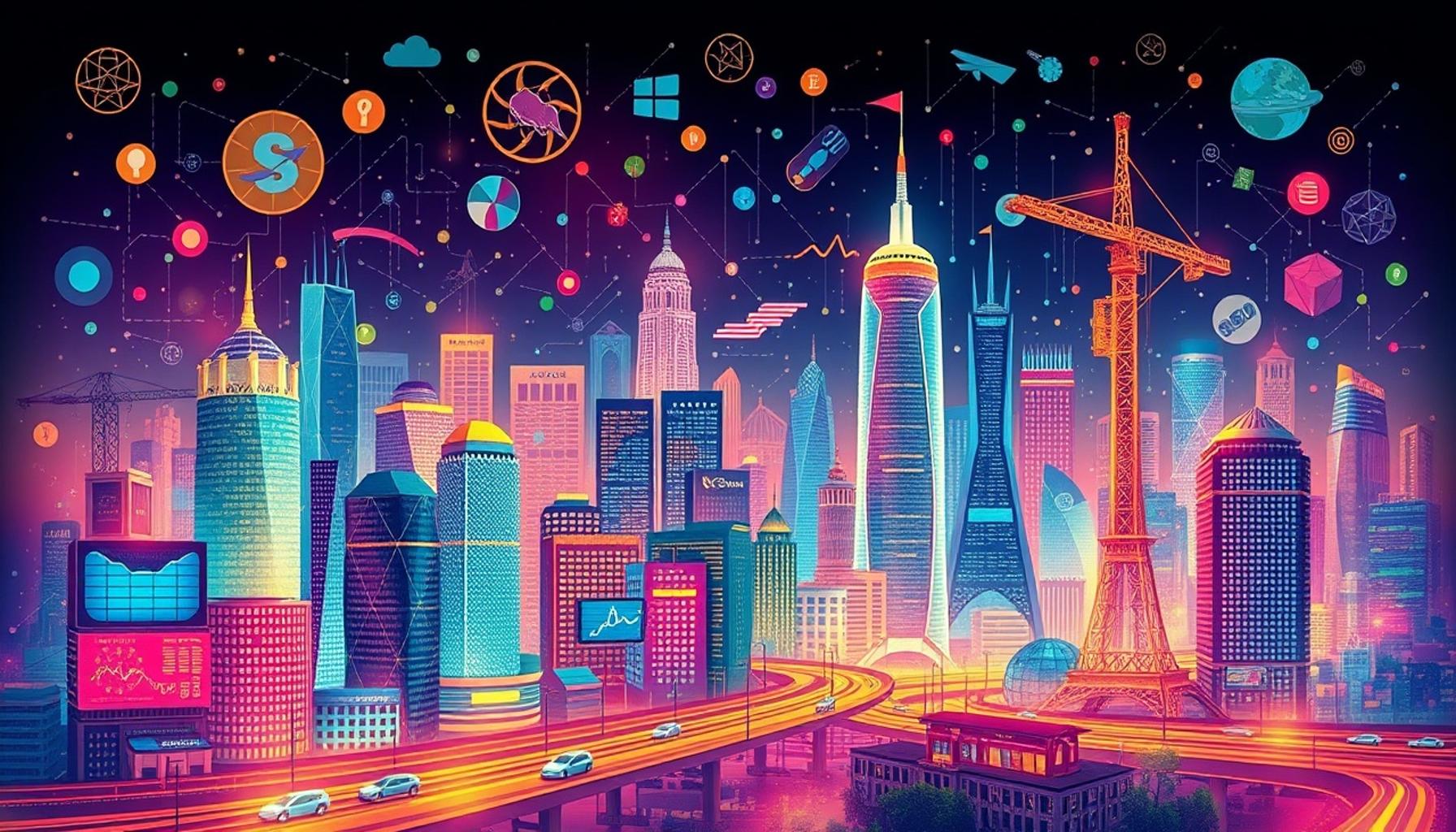
The Impact of 5G Technology on Urban Development
The launch of 5G technology represents a groundbreaking era in urban development, transforming cities into smarter, more interconnected environments. With its unprecedented speed, expanded capacity, and improved responsiveness, 5G technology is setting the foundation for the infrastructure that underpins smart city initiatives.
One of the most significant benefits of 5G is its ability to provide faster connectivity. This instantaneous communication between devices is crucial for various services, particularly for emergency responders. For instance, ambulance services can communicate live updates to hospitals while en route, enabling healthcare providers to prepare for incoming patients more efficiently. This seamless exchange of information can save lives by ensuring timely interventions.
Enhanced IoT Integration
Moreover, 5G technology allows for enhanced IoT integration. In a smart city, a vast array of devices—from traffic lights to water management systems—can connect simultaneously without compromising performance. This creates a comprehensive network where streetlights can adjust brightness based on surrounding activity, optimizing energy usage. For example, in cities like San Francisco, sensors on trash bins can notify collection services when they are full, streamlining waste management and keeping streets clean.
Real-Time Data Processing
Furthermore, the capabilities of 5G enable real-time data processing, which is instrumental for city planners and administrators. With improved analytics tools, decision-makers can assess traffic patterns, energy consumption, and public safety metrics instantaneously. Imagine a city where planners can deploy resources more effectively during high-demand events, reducing potential bottlenecks and enhancing the flow of people and resources.
Enhancing the Human Experience in Urban Environments
The integration of 5G signals a shift in how urban environments are experienced, placing an emphasis on improving human experiences. Smart cities utilize this technology in several key areas:
- Optimize traffic management: Smart systems can adjust traffic signals in real-time based on current vehicle flow, significantly reducing congestion during rush hours. This has been implemented in cities like Los Angeles, where traffic light synchronization has improved commute times.
- Enhance public safety: Advanced surveillance systems can monitor public spaces efficiently, ensuring rapid responses to incidents. For example, cities can deploy drones equipped with cameras to assist in emergency situations, allowing law enforcement to access live feeds while responding to calls.
- Support sustainable initiatives: Smart sensors can monitor local environmental conditions, such as air quality and noise pollution, allowing authorities to act swiftly on emerging issues. Initiatives in cities like Chicago have shown how real-time data can inform policy decisions geared toward sustainability.
As we continue to explore the numerous applications of 5G technologies, it becomes clear that they are set to reshape urban landscapes profoundly. By making cities safer, more efficient, and ultimately more livable, 5G stands at the forefront of the next phase of urban development, bringing benefits not only to city planners but to every resident in these evolving environments.
DIVE DEEPER: Click here to learn more
The Foundations of Smart City Infrastructure
At the heart of the transformation of urban environments through 5G technology lies its role in creating a robust infrastructure that enables seamless communication between a multitude of devices. This network of interconnected systems is essential for the functionality and efficiency of smart cities. By providing low-latency connections and the ability to handle a significantly greater number of simultaneous connections, 5G is establishing the technical groundwork for the smart cities of tomorrow.
One of the critical aspects of this infrastructure is the deployment of smart sensors. These sensors collect data from various sources, such as environmental conditions, traffic movements, and public transportation systems. For example, in cities like Boston, real-time weather sensors help city officials monitor changes in temperature and rainfall. This data is invaluable for planning maintenance tasks, like road repairs and snow removal, thus keeping the city functioning smoothly.
Smart Transportation Systems
5G’s impact on transportation is particularly profound, as it enables the development of smart transportation systems that enhance the flow of people and goods. Connected vehicles can communicate with traffic management systems to receive updates on traffic conditions and navigate accordingly. This capability is being harnessed in cities such as Detroit, where real-time traffic information helps drivers avoid congested areas, ultimately reducing travel time and emissions.
In addition, public transit systems benefit tremendously from 5G technology. Transit authorities can utilize location-based services to provide real-time updates on bus and train schedules to commuters, improving user experience and encouraging the use of public transportation. As seen in Seattle, mobile apps provide riders with estimated arrival times based on current conditions, promoting a more reliable and efficient urban transport system.
Smart Energy Management
Another area where 5G technology plays a crucial role is in energy management. With smart grid technology, energy providers can monitor electricity consumption patterns in real-time, allowing for more efficient energy distribution. In cities such as San Diego, renewable energy sources like solar panels are integrated into the smart grid, maximizing energy efficiency while minimizing waste. These advanced monitoring systems also provide residents with insights into their energy usage, empowering them to make informed decisions about conservation.
- Reduce energy waste: Smart grids enable better management of energy consumption, resulting in lower utility bills for residents.
- Integrate renewable energy resources: Cities can optimize the use of alternative energy sources by relying on data-driven insights.
- Enhance overall sustainability: By effectively managing energy resources, cities can contribute to reducing their carbon footprints.
The foundation of a smart city lies in its ability to integrate various systems for better communication and cooperation among urban elements. As 5G technology continues to evolve, it will undoubtedly push the boundaries of what is possible in urban infrastructure, ultimately leading to cities that are not only smarter but also more sustainable and livable for their residents.
DISCOVER MORE: Click here to learn how to apply
Enhancing Public Safety and Emergency Response
As urban populations continue to grow, ensuring public safety becomes increasingly vital, and this is where 5G technology plays a significant role. With its ability to support a vast number of connected devices and facilitate real-time data sharing, 5G can improve emergency services and enhance overall safety in smart cities. For instance, cities like Chicago are employing connected surveillance systems that utilize high-definition cameras equipped with video analytics. These systems can identify suspicious activities and alert law enforcement in real-time, significantly reducing response times when emergencies arise.
Furthermore, integrating IoT devices into emergency response systems is another transformative application of 5G technology. When a person dials emergency services, their location data, medical history, and real-time health metrics can be transmitted instantly to first responders. This capability can be critical in situations where time is of the essence, allowing paramedics in cities such as New York to prepare for the necessary treatments before they even arrive. Similarly, smart fire detection systems can alert fire departments about blazes in real-time, allowing for quicker deployment and increased chances of saving lives and property.
Citizen Engagement and Participation
An essential aspect of smart cities revolves around citizen engagement, and 5G technology is a game-changer in this realm. It empowers residents by providing them with more direct channels of communication with city officials and departments. For example, cities like San Francisco are adopting mobile apps that allow citizens to report issues, such as potholes or broken streetlights, instantly. When issues are reported in real-time, city maintenance teams can respond more quickly to resolve them, improving the overall quality of life for residents.
Moreover, 5G enables interactive public platforms that facilitate community discussions regarding urban development. By utilizing AR and VR technologies supported by 5G, local governments can conduct virtual town hall meetings where citizens can visualize proposed projects and provide feedback, making participation more accessible and engaging. This method has been effectively used in cities like Austin, where residents can better understand the implications of urban planning initiatives, leading to more informed decisions and greater community buy-in.
Data-Driven Governance
Another critical advantage of 5G technologies in smart cities is the capability for data-driven governance. With vast amounts of data being collected from various sources, city officials can analyze trends and patterns to make informed policy decisions. For instance, cities can track air quality data from distributed sensors across neighborhoods and use this information to implement necessary measures, such as adjusting traffic flow to reduce emissions in heavily polluted areas. In Philadelphia, this data informs the city’s green initiatives, contributing to a healthier environment for all residents.
- Optimize resource allocation: Analyzing data helps city planners make more strategic decisions regarding where to allocate funding and resources.
- Strengthen community well-being: Data can identify areas most affected by social issues, allowing targeted interventions for programs aiding vulnerable populations.
- Enhance resilience: As cities utilize data for better planning and impact assessment, they become more resilient against economic fluctuations and environmental challenges.
The comprehensive use of 5G technology fosters a data-centric approach to city governance, yielding benefits that streamline operations and bolster community engagement, thus creating a thriving urban environment.
DIVE DEEPER: Click here to discover innovative blockchain applications
Conclusion
In summary, the integration of 5G technologies is pivotal to the evolution of smart cities, driving innovation and enhancing the overall quality of urban life. By enabling faster communication, connecting numerous devices, and streamlining data processing, 5G technology transforms how public services operate. For example, emergency response teams can coordinate more effectively by sharing real-time location data and resource availability, which significantly reduces response times in critical situations.
Moreover, everyday citizen engagement is revolutionized through 5G’s capabilities. Imagine a city where traffic lights adjust dynamically to traffic conditions, reducing congestion and enhancing safety. Real-time data analytics empower local governments to identify trends, allocate resources efficiently, and respond proactively to issues such as environmental concerns or public safety threats. This ability not only improves overall service delivery but also helps in identifying maintenance needs, such as repairing potholes before they become serious problems.
The interactive platforms supported by 5G enhance community engagement between residents and city officials. For instance, citizens can use mobile apps powered by 5G to report issues, participate in surveys, or stay informed about local developments, which fosters a sense of shared responsibility. This dynamic not only enriches community involvement but also leads to more tailored solutions addressing the unique needs of neighborhoods, as feedback is more rapidly gathered and analyzed.
As we look ahead, the role of 5G will only become more pronounced in shaping resilient, sustainable, and inclusive urban environments. The ethical deployment of this technology, along with continuous community engagement, will be essential to maximizing its potential benefits. For instance, care must be taken to ensure that all demographics, including underserved communities, have equal access to these technological advancements.
Ultimately, the transformation of smart cities through 5G presents a promising opportunity to create smarter, safer, and more connected living spaces for all residents, ensuring that cities can thrive in the face of rapid urbanization and interconnected global challenges. Investing in such technologies not only improves the quality of life but also paves the way for future innovations that can address emerging urban issues.

Linda Carter
Linda Carter is a writer and expert known for producing clear, engaging, and easy-to-understand content. With solid experience guiding people in achieving their goals, she shares valuable insights and practical guidance. Her mission is to support readers in making informed choices and achieving significant progress.