The Revolution of Wearables: How Connected Devices Are Changing Lifestyle
The Impact of Wearable Technology on Daily Life
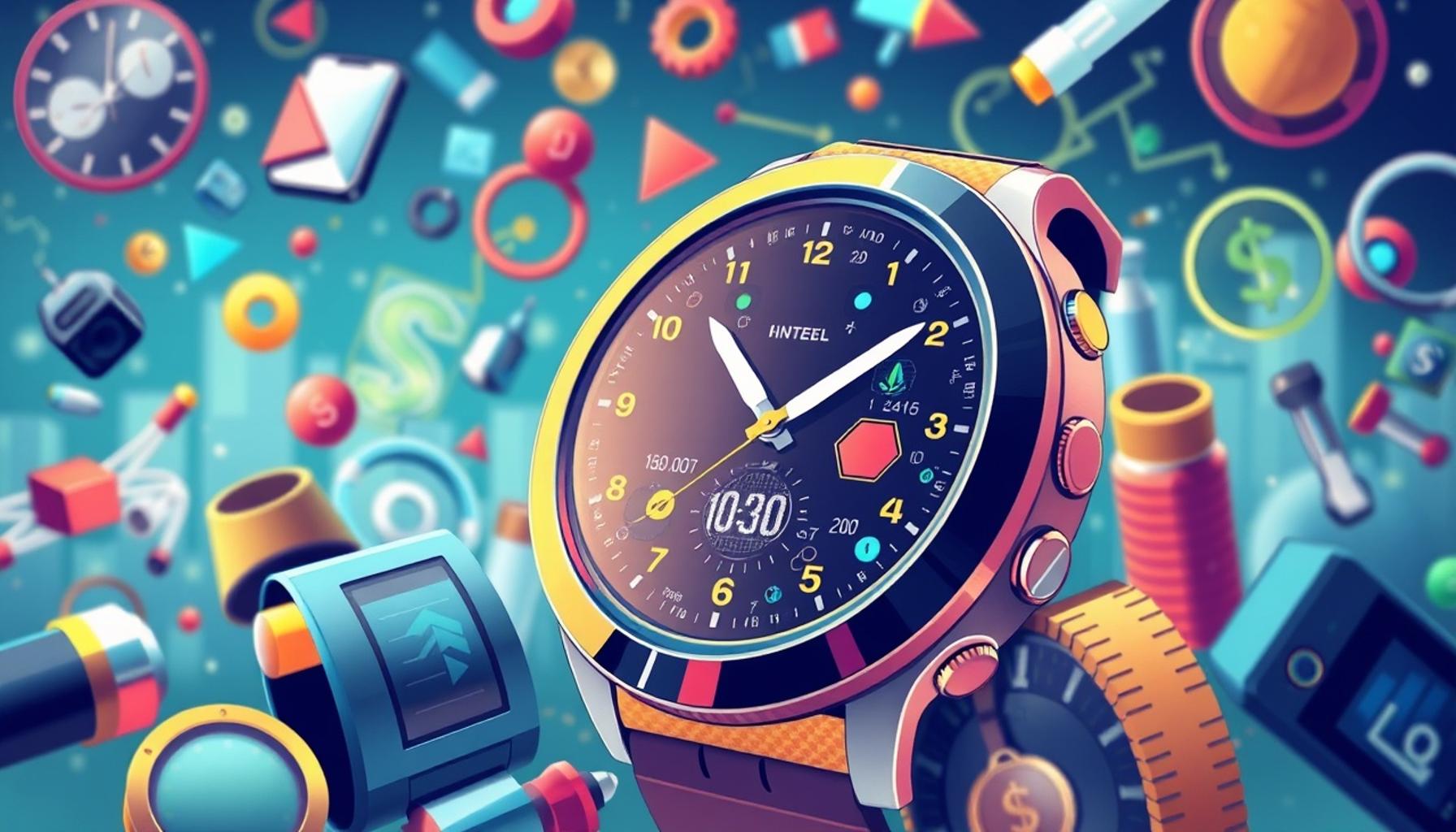
The rise of wearable technology represents a significant advancement in how we engage with our environments. Devices such as smartwatches, fitness trackers, and smart glasses have evolved from niche gadgets into mainstream products that are revolutionizing daily living. Wearable technology provides users with a combination of powerful functionalities and sleek designs, making them an indispensable part of modern life.
Health Monitoring is one of the most celebrated features of wearable technology. Imagine being able to effortlessly track your heart rate throughout the day. For instance, many smartwatches come equipped with heart rate monitors that give users real-time feedback, allowing them to manage stress and exercise intensity. Sleep tracking capabilities are also commonplace, enabling users to gain insights into their sleep quality, cycles, and how factors like caffeine consumption and blue light exposure affect rest. This level of monitoring can signal potential health concerns and encourage healthier habits, ultimately leading to improved overall wellness.
Another pivotal aspect of wearables is their capacity for notifications. With smartwatches, for instance, individuals no longer need to pull out their smartphones for every call or text. Instead, they can glance at their wrist to receive alerts, which is especially useful in professional settings where discretion is key. Imagine a busy meeting where you can quickly review notifications without interrupting the flow of discussion. This feature not only helps in maintaining productivity but also fosters better engagement and communication in both personal and professional contexts.
Navigation is yet another remarkable feature of wearable devices. For those navigating busy urban environments, smartwatches can provide turn-by-turn directions right on your wrist, allowing for hands-free operation. This is particularly beneficial while cycling or walking, where holding a smartphone is impractical. Users can receive directions without distraction, thereby enhancing safety and efficiency while on the go.
Beyond these functionalities, wearables can embody a sense of style and personal identity. Many brands offer customizable options, allowing users to select watch faces, bands, and colors that reflect their tastes. As such, wearables are not merely tools; they are fashion statements that merge technology with personal expression.
As wearable technology continues to evolve, its influence on our lifestyles deepens. These devices are not just improving health management; they are redefining how we interact with time, information, and each other. With ongoing advancements, we can expect to see even more innovative features that will further integrate wearables into our daily routines, enhancing convenience and enriching our experiences.
In summary, wearable technology stands at the forefront of a technological revolution that marries functionality with style, empowering users to take control of their health, remain connected, and navigate their environments more efficiently. It certainly seems that the future will see more exciting developments in this fascinating intersection of technology and daily life.
DISCOVER MORE: Click here to learn about changing threats and solutions
Enhancing Fitness through Wearable Technology
One of the most transformative impacts of wearable devices is in the realm of fitness and physical activity. With fitness trackers and smartwatches embedded with advanced sensors, individuals now have the power to monitor their physical performance in real-time. These devices aren’t just counting steps; they are capable of measuring heart rates, tracking calories burned, and even analyzing workout patterns. This capability empowers users to set personal health goals and encourages a more active lifestyle.
For instance, consider the adoption of fitness challenges—many wearables allow users to engage in friendly competitions with friends or family members. Features such as weekly step counts or specific wellness challenges create a social aspect that can motivate individuals to achieve more. This gamification of fitness not only promotes accountability but also makes exercise enjoyable and communal, fostering communities of health-conscious individuals.
Personalized Coaching and Insights
Wearables are also redefining the concept of personal training. With built-in features that assess physical activity, such as VO2 max and recovery time, users benefit from personalized insights that help them optimize their workouts. Rather than relying solely on generic fitness advice, wearables generate specific recommendations based on real data. Some devices can even adapt workouts according to the user’s performance and recovery needs, making training more effective and responsive to individual capabilities.
Here are some ways wearables are elevating fitness experiences:
- Heart Rate Variability (HRV): Many devices track HRV to gauge how well the body is recovering from exercise, which is vital for optimizing performance.
- GPS Tracking: For those who enjoy outdoor activities like running or cycling, built-in GPS features provide accurate distance and pace data, allowing for better route planning.
- Integration with Health Apps: Wearables often sync with various health and fitness apps that further analyze data and provide tailored workout suggestions based on individual goals.
This aspect of wearables highlights a shift towards a more holistic view of health and fitness, coupling motivation with actionable insights. Users can now visualize their progress over time, enhancing their commitment to long-term fitness goals. The transition from simple step counting to a comprehensive understanding of one’s health metrics empowers users to make better decisions regarding their physical activity and overall wellness.
Furthermore, the benefits of wearables extend beyond fitness enthusiasts to individuals with specific health conditions. For instance, people managing chronic illnesses can find comfort in the real-time health monitoring capabilities of smart devices. By keeping tabs on certain metrics, wearables can alert the user to irregularities, prompting them to take action or consult with health professionals.
In conclusion, the advent of wearable technology is creating a health-conscious culture that encourages individuals to take control of their fitness journeys. By blending advanced analytics with supportive communities and personalized coaching, wearables are making significant contributions to our everyday physical activities. As technology continues to advance, we can only expect that these devices will become even more integral to how we approach health and fitness in our daily lives.
DISCOVER MORE: Click here for the full guide
The Role of Wearables in Health Monitoring
In addition to enhancing fitness, wearables play a significant role in health monitoring, making healthcare more accessible and proactive. Devices like smartwatches and wearables designed specifically for health tracking provide valuable insights into the user’s overall well-being and help manage various medical conditions.
For instance, devices equipped with heart rate monitors can alert users about abnormal heart rates that may indicate potential health issues. Furthermore, wearable devices can track blood oxygen levels and even monitor blood pressure, turning them into powerful tools for early detection of health risks. This is particularly beneficial for older adults and those with pre-existing conditions who require constant monitoring.
Empowering Chronic Disease Management
Wearable technology has empowered individuals with chronic diseases such as diabetes or hypertension to take charge of their health. For example, wearable glucose monitors allow people with diabetes to track their blood sugar levels continuously. This constant monitoring helps them make informed decisions about insulin doses and food intake, significantly improving their quality of life.
Similarly, heart patients can benefit from wearables that continuously monitor their heart health. Some devices can even connect to medical professionals in real time, sharing vital information that can lead to timely interventions. This instant data transmission can be lifesaving, ensuring that healthcare providers are alerted to critical changes before patients even recognize there’s a problem.
Stress Management through Wearable Technology
Another area where wearables are making a difference is in the field of stress management. With the pace of modern life leading to increased stress levels among many individuals, wearables now include features that promote mindfulness and relaxation. For instance, devices may offer guided breathing exercises, heart rate variability monitoring, or even activity reminders to take breaks when necessary.
Applications that accompany wearables often include features like mood tracking and meditation reminders. Users can log their emotional states alongside their physiological data, offering insights into how stress and anxiety levels fluctuate in relation to physical activity or sleep quality. This capability fosters a more comprehensive understanding of health, reinforcing the connection between mental well-being and physical activity.
The Integration of Wearables with Telehealth Services
The integration of wearables with telehealth services represents a major advancement in healthcare delivery. As healthcare providers increasingly shift towards virtual consultations, data collected from wearables can be shared seamlessly with healthcare professionals. This integration allows doctors to better understand their patients’ daily health metrics and adjust treatment plans accordingly. Patients can engage in consultations with professionals armed with real-time data, facilitating more accurate diagnoses and tailored healthcare strategies.
Moreover, with the rise of telemedicine, wearables bridge the gap between patients and providers. Patients can proactively manage their health, leading to early interventions and reduced hospital visits. This evolution is particularly beneficial in rural or underserved areas where access to healthcare can be limited.
The capabilities of wearables in health monitoring are quickly evolving, transforming how individuals participate in their healthcare dynamics. By providing real-time data and insights, these devices empower users to make informed health decisions, significantly impacting their quality of life and well-being.
DISCOVER MORE: Click here to learn how to build a strong credit history
Conclusion
The revolution of wearables has undoubtedly transformed our lifestyles in profound ways, merging technology with personal health management. As we have seen, these connected devices extend beyond merely tracking steps or calories; they play a crucial role in health monitoring, providing real-time data that empowers individuals to take charge of their well-being. From managing chronic diseases to promoting mental health through stress management techniques, wearables have opened a new frontier in personal healthcare.
Moreover, the integration of wearables with telehealth services bridges the gap between patients and healthcare providers, fostering a proactive approach to health management. This seamless sharing of data enhances the quality of care and facilitates timely interventions, particularly crucial for those in rural or underserved areas. As wearables become increasingly sophisticated, their potential to influence our health and day-to-day lives will undoubtedly grow.
As we look to the future, it is essential to consider how we can harness the full benefits of wearable technologies while also addressing privacy and data security concerns. The challenge lies not only in innovating new features but also in ensuring that users feel safe and informed while using these devices. In this evolving landscape, wearables are not just about technology; they represent a holistic shift toward personal empowerment in health, fitness, and overall lifestyle. Embracing this revolution can lead to healthier, more informed choices and ultimately enrich our lives.

Linda Carter
Linda Carter is a writer and expert known for producing clear, engaging, and easy-to-understand content. With solid experience guiding people in achieving their goals, she shares valuable insights and practical guidance. Her mission is to support readers in making informed choices and achieving significant progress.