Sustainable Credit Cards: How to Choose Options that Support Ecological Practices
Understanding Sustainable Credit Cards
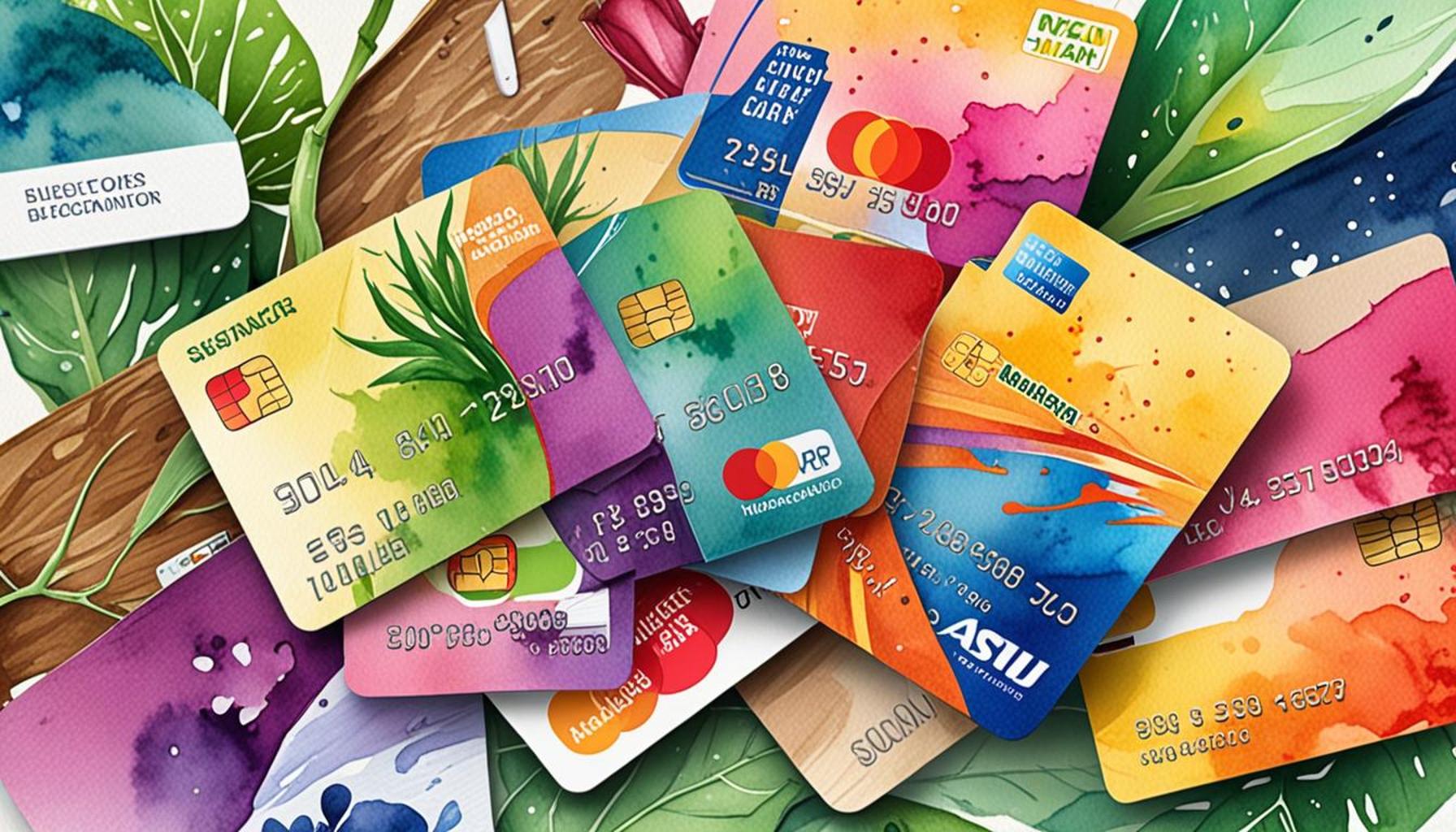
The growing consciousness regarding environmental issues among consumers, particularly in the United States, reflects a significant cultural shift toward sustainability. This transition has catalyzed an increased interest in financial products that prioritize ecological responsibility, notably in the realm of sustainable credit cards. These financial instruments are tailored to align consumer spending with environmentally beneficial practices, allowing individuals to not only manage their finances effectively but also engage in actions that foster a healthier planet.
When selecting a sustainable credit card, it is essential to examine various factors that can signify its overall ecological impact. The following features are critical to consider:
- Carbon Offset Programs: Many sustainable credit cards incorporate carbon offset programs as a central feature. This means that the financial institution pledges to invest a portion of its revenue in projects such as reforestation initiatives or renewable energy sources, which aim to mitigate the carbon emissions associated with everyday spending. For example, certain cards may contribute to wind farm projects in the Midwest or conservation efforts in the Pacific Northwest.
- Recycled Materials: A practical consideration when assessing sustainable credit cards is their material composition. Cards manufactured from recycled plastics significantly diminish the demand for new resources, therefore reducing overall waste. Furthermore, by opting for a credit card made from 100% recycled material, consumers can ensure their choice contributes to a circular economy.
- Support for Eco-Friendly Brands: Many sustainable credit cards offer rewards programs that incentivize purchases from eco-friendly businesses. For instance, a card may provide cashback or points for transactions made at companies that adhere to sustainable practices, such as local organic farms or eco-conscious retailers. This not only rewards the cardholder but also promotes a broader shift toward supporting brands that prioritize environmental stewardship.
By making an informed choice about a sustainable credit card, consumers can create a ripple effect that encourages banks and financial institutions to invest in environmentally responsible initiatives. The cumulative impact of individual spending habits can drive substantial change within the financial sector, propelling awareness and support for sustainable practices.
Ultimately, understanding the features and benefits associated with sustainable credit cards enables consumers to align their financial decisions with their values. In a landscape increasingly shaped by environmental considerations, these credit cards serve as a vital tool for consumers committed to fostering a more sustainable future. This article is designed to assist you in navigating the selection process, ensuring that you find a credit card that not only meets your financial needs but also supports ecological responsibility.
DISCOVER MORE: Click here to find out how to apply
Key Features to Evaluate in Sustainable Credit Cards
In the quest for a sustainable credit card, consumers are encouraged to scrutinize specific features that can significantly influence the card’s ecological impact. Understanding these elements enables individuals to make informed decisions that align with their commitment to sustainability. Here are essential attributes to consider:
- Rewards Structures: One of the primary motivations for choosing a credit card is the rewards program it offers. Sustainable credit cards often feature rewards structures that prioritize eco-friendly purchases. By providing greater rewards for spending at environmentally conscious businesses, such cards amplify the impact of consumer choices. For example, some cards may offer triple points for purchases at renewable energy providers or discount organic grocery stores, thereby reinforcing a positive environmental impact while also benefiting the cardholder.
- Transparent Environmental Policies: Credibility is paramount when evaluating the sustainability claims of credit card issuers. It is crucial to investigate the transparency of their environmental policies. Look for companies that provide detailed information about their sustainability practices, such as annual sustainability reports or third-party assessments. A commitment to accountability signals a genuine dedication to ecological stewardship rather than mere marketing tactics.
- Partnerships with Environmental Organizations: Sustainable credit cards frequently partner with environmental organizations to support conservation efforts. These partnerships can involve direct contributions to nonprofit organizations working on critical ecological issues, including wildlife preservation or climate change initiatives. By selecting a card linked to reputable environmental partners, consumers can enhance their financial contributions towards meaningful causes.
- Low or No Fees: Another aspect to consider are the associated fees of sustainable credit cards. Some environmentally focused cards may feature lower annual fees, introductory 0% APR offers, or no foreign transaction fees, making them more appealing to budget-conscious consumers. By minimizing fees, these cards enable individuals to allocate more funds toward sustainable initiatives, thereby amplifying their overall impact.
While the features mentioned above are vital in guiding consumers toward a sustainable credit card, it is essential to remember that personal financial goals and spending habits should also inform the selection process. The ideal credit card should not only align with one’s ecological values but also cater to individual financial needs, such as cash flow requirements and reward aspirations.
Choosing a sustainable credit card allows consumers to merge responsible financial management with eco-conscious behavior seamlessly. By remaining vigilant about the card’s features and how they align with personal values, individuals can contribute to a more sustainable economy, ultimately promoting broader environmental change.
DIVE DEEPER: Click here to uncover effective savings plans for your retirement
Additional Considerations When Selecting a Sustainable Credit Card
In addition to evaluating the key features of sustainable credit cards, consumers should consider various additional elements that can further enhance their ecological commitments while managing their financial affairs. These considerations play a crucial role in ensuring that the cardholder’s choice not only aligns with their personal values but also supports broader sustainability goals.
- Carbon Offset Programs: An important aspect to investigate is whether the credit card issuer offers carbon offset programs. Many sustainable cards allow holders to opt into initiatives that invest in projects aimed at reducing carbon emissions, such as renewable energy installations or reforestation activities. By participating in these programs, consumers can neutralize a portion of their carbon footprint associated with their spending, thereby amplifying their environmental commitment.
- Digital and Plastic Options: The choice between digital and traditional plastic cards is another aspect to consider. Some credit card issuers are moving towards digital-first strategies that limit the use of physical plastic. Opting for digital cards not only reduces plastic waste but also improves convenience. Consider whether the sustainable credit card also promotes ecological practices through the reduction of materials used in card production.
- Ethical Banking Practices: Beyond the credit card itself, it’s essential to evaluate the underlying institution’s ethical practices. Researching where the issuing bank allocates its funds can provide insight into its overall commitment to sustainability. Banks that focus on green investments or support community development projects tend to align more closely with eco-friendly values.
- Customer Community and Engagement: Engaging with a community of like-minded individuals can greatly enhance the journey towards sustainability. Some sustainable credit card programs foster communities that provide educational resources, workshops, or events focused on personal finance, sustainability, and responsible consumption. Being part of such a community can not only inspire greater commitment but also provide valuable tools for making economical decisions that coincide with ecological values.
- Annual Impact Statements: Many sustainable credit card issuers provide annual statements detailing the environmental impact generated by the cardholder’s spending. This transparency aids consumers in understanding the tangible effects of their choices, reinforcing their commitment to environmentally responsible spending. Look for cards that offer these insights to track your contributions towards sustainability initiatives, enhancing overall accountability.
As consumers continue to adopt more conscientious spending habits, the landscape for sustainable credit cards is expected to evolve. By evaluating these additional considerations, potential cardholders can identify options that not only fulfill their immediate financial needs but also contribute to long-term ecological regeneration and sustainability practices. Being diligent in this selection process empowers individuals to turn everyday spending into a catalyst for positive change in the environment.
DISCOVER MORE: Click here to learn how to apply
Conclusion
In an era where sustainability is increasingly vital, choosing a sustainable credit card is a significant step towards aligning personal finance with environmental responsibility. By assessing a card’s features—such as carbon offset programs, digital options, and the ethical practices of the issuing bank—consumers can make informed financial decisions that reflect their commitment to ecological stewardship. Additionally, engaging with communities that promote sustainability and utilizing annual impact statements provide a deeper understanding of one’s financial contributions to environmental causes.
The transition towards sustainable credit cards is rapidly gaining momentum as companies recognize the importance of eco-conscious choices among consumers. Moreover, as technology advances, the potential to reduce environmental impact through digital solutions becomes more accessible. Choosing sustainable credit cards is not merely about financial benefits; it is an opportunity for individuals to actively participate in the fight against climate change and promote sustainable transitions in various sectors.
Ultimately, selecting a sustainable credit card empowers cardholders to turn their daily expenditures into impactful contributions towards ecological wellness. As informed consumers continue to prioritize sustainability, the financial marketplace is likely to evolve, rewarding those who support positive environmental outcomes. By nurturing this consciousness within everyday spending, individuals can help foster a more sustainable future for generations to come.

Linda Carter
Linda Carter is a writer and expert known for producing clear, engaging, and easy-to-understand content. With solid experience guiding people in achieving their goals, she shares valuable insights and practical guidance. Her mission is to support readers in making informed choices and achieving significant progress.