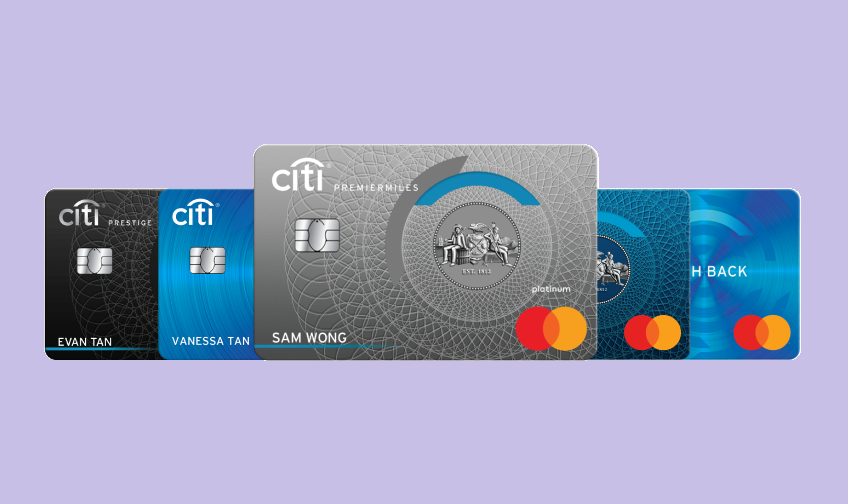
The Evolution of Credit Cards: Trends and Innovations in the Financial Sector
Transformative Trends in Credit Card Usage
The landscape of credit cards has undergone significant transformation over the years, influenced by technological advancements and shifting consumer preferences. As a pivotal element in the financial sector, credit cards streamline transactions while offering various benefits to consumers.
Technology Integration
One of the most noteworthy trends is the integration of technology into the credit card experience. The emergence of contactless payments has allowed consumers to make purchases with just a tap of their card or smart device, enhancing convenience and speed at the point of sale. This technology has been widely adopted, particularly in retail stores, public transportation, and restaurants, making everyday transactions more efficient. For instance, major credit card networks like Visa and MasterCard have reported substantial increases in contactless payment usage, particularly during the COVID-19 pandemic, when contactless solutions provided a safer alternative to handling cash or swiping cards.
Enhanced Security Measures
With the increase in digital transactions, the need for robust security has never been greater. Innovations such as EMV chip technology and biometric authentication are at the forefront of efforts to protect consumer data. EMV chips, which store encrypted data, provide greater protection against card fraud compared to traditional magnetic stripes. Additionally, biometric options, such as fingerprint and facial recognition, are becoming standard features in mobile banking apps, ensuring that unauthorized users cannot access credit card information. These advances not only enhance security but also foster consumer trust, encouraging more frequent credit card usage.
Rewards Programs
Another significant evolution in the credit card industry is the introduction and enhancement of rewards programs. Financial institutions are increasingly competing to attract consumers by offering attractive bonuses such as cashback, points redeemable for travel, and exclusive perks like access to airport lounges. These rewards incentivize consumers to use their credit cards for everyday purchases, while also altering spending behavior. For example, a credit card offering 2% cashback on all purchases might encourage users to prioritize using that card over others that offer lesser perks, ultimately shaping their spending habits. This shift has not only benefited consumers but has also driven credit card companies to innovate continually and improve their offerings.
Growth of Credit Card Issuance
Recent data underscores the evolving landscape; card usage is growing, with over 350 million credit cards issued in the U.S. alone as of 2022. This increase reflects a broader trend towards cashless transactions and highlights the growing reliance on credit cards within the American financial ecosystem. Financial institutions continually adapt their strategies to cater to consumer demands, thereby influencing the overall market dynamics.
Conclusion
This article delves into the intricacies of credit card evolution, highlighting important trends and innovations that have shaped the financial sector. Understanding these dynamics—from technological integration to security enhancements and evolving rewards programs—is crucial for consumers and businesses alike. As credit cards remain an integral part of the modern economy, staying informed about these trends is essential for making savvy financial decisions.
DISCOVER MORE: Click here to learn effective strategies
Current Innovations Reshaping the Credit Card Market
The credit card industry is continuously evolving, embracing innovations that not only enhance user experience but also address the complexities of modern financial transactions. The landscape that consumers navigate today is characterized by an array of features designed to meet diverse needs while fostering greater accessibility.
Virtual and Digital Cards
In recent years, the rise of virtual and digital credit cards has gained notable traction. These cards offer a secure alternative for online and mobile purchases, providing consumers with a unique card number that is only valid for a limited time or specific transactions. Such advancements help to mitigate the risks associated with online fraud, giving users peace of mind while shopping in digital marketplaces. Moreover, digital wallets—enabled by services such as Apple Pay, Google Pay, and Samsung Pay—allow consumers to store their credit card information securely and conduct transactions via smartphones. This innovation not only streamlines the checkout process but also helps users manage multiple cards effortlessly.
Financial Wellness Features
The incorporation of financial wellness tools is yet another significant trend in the credit card sector. Financial institutions are increasingly offering budgeting tools, spending alerts, and personalized financial recommendations directly through their credit card platforms. These features empower consumers by providing insights into their spending habits and overall financial health. For example, many credit card apps now include categorization functions that summarize monthly expenses, allowing users to track their budget in real-time. This emphasis on financial literacy not only enhances user engagement but also helps individuals make informed spending decisions.
Increased Customization Options
As competition intensifies in the credit card market, financial institutions have sought to differentiate their products by offering enhanced customization options. This includes customizable card designs, varying interest rates, and personalized reward structures tailored to individual spending patterns. Consumers are now able to choose credit cards that align with their specific lifestyle needs, such as travel rewards for frequent flyers or cashback on groceries for families. This shift towards personal finance empowerment is indicative of a broader trend of consumer-centric approaches in financial services.
Sustainability Initiatives
In response to growing consumer concerns regarding environmental sustainability, many credit card issuers are integrating sustainability initiatives into their products. This includes issuing cards made from recycled materials or partnering with organizations to support eco-friendly projects. Additionally, some credit card programs offer rewards for environmentally responsible purchases, such as discounts on green products or contributions to conservation efforts. By embracing sustainability, credit card companies not only cater to a socially conscious consumer base but also contribute to a larger movement towards corporate responsibility.
Conclusion
The evolution of credit cards is marked by a series of impactful innovations designed to enhance user experience while addressing contemporary challenges in financial transactions. Through the introduction of virtual cards, financial wellness features, customizable options, and sustainability initiatives, the credit card industry continues to adapt to the needs of consumers. As these trends gain momentum, it is essential for individuals and businesses alike to stay informed on how these changes can influence their financial decisions.
LEARN MORE: Click here to uncover the impact of interest rates on debt management
Emerging Trends in Credit Card Technology
The credit card industry continues to witness significant technological advancements that not only improve usability but also enhance security and efficiency. As technology evolves, the integration of sophisticated systems in credit card functionality is shaping the future of consumer finance.
Contactless Payment Systems
One of the notable trends reshaping the credit card landscape is the implementation of contactless payment technology. Utilizing near-field communication (NFC), contactless cards allow users to make transactions simply by tapping their card on a compatible terminal. This technology has gained remarkable popularity, particularly in the wake of the COVID-19 pandemic, where minimizing physical contact has become a priority. According to a survey by Mastercard, nearly 79% of consumers expressed their preference for contactless payment options due to enhanced convenience and perceived hygiene benefits. In addition to cards, mobile phones equipped with NFC technology also facilitate contactless payments, allowing for seamless transactions without the need for physical cards.
Enhanced Security Features
As digital transactions proliferate, the issue of cybersecurity becomes paramount. Credit card issuers are investing heavily in advanced security features to protect consumers from fraud. Innovations such as tokenization—a process that substitutes sensitive card information with a unique digital identifier—help to safeguard transactions. Moreover, biometric authentication, including fingerprint and facial recognition, is being integrated to add an additional layer of security. According to a report by Aite Group, over 50% of financial institutions have implemented biometric technologies in their payment solutions, reflecting a strong commitment to consumer safety.
Artificial Intelligence in Fraud Detection
Another transformative trend is the use of artificial intelligence (AI)</strong) in detecting fraudulent activities. Machine learning algorithms analyze vast quantities of transaction data in real-time to identify anomalous patterns that may indicate fraud. By employing AI, credit card companies can dramatically reduce false positives and increase the efficiency of their fraud detection systems. According to a study by Juniper Research, the use of AI in risk management is projected to save the financial sector approximately $56 billion by 2025. This innovative approach not only safeguards consumer accounts but also enhances trust in credit card systems.
Integration with Online Banking and Fintech Solutions
As fintech companies continue to disrupt traditional banking practices, credit cards are increasingly being integrated with online banking platforms and fintech solutions. This shift enhances the overall consumer experience by facilitating easier management of accounts, immediate fund transfers, and streamlined personal finance tracking. For instance, many neobanks and fintech apps allow users to link their credit cards for better insights into spending habits and more refined budgeting tools. A survey conducted by Accenture indicated that 68% of consumers prefer financial services that integrate multiple functionalities, underscoring the trend towards consolidating financial tools in one accessible platform.
Rewards Programs Enhanced by Data Analytics
The sophistication of data analytics has also transformed the way credit card rewards programs operate. Credit card issuers are utilizing big data to personalize rewards offers based on users’ spending behavior. This not only allows for more tailored incentives—such as targeted cashback offers or travel rewards—but also increases customer loyalty. Research from Deloitte found that consumers who actively engage with personalized rewards programs are 60% more likely to remain loyal to their credit card issuer. This trend highlights the importance of understanding customer desires and aligning product offerings accordingly.
DISCOVER MORE: Click here to learn about the impact of technology on debt management</p
Conclusion
In conclusion, the evolution of credit cards has significantly transformed the financial landscape, driven by a confluence of technological advancements, changing consumer preferences, and the ongoing demand for security. The adoption of contactless payment systems has not only streamlined transaction processes but also enhanced customer convenience—qualities that have become especially desirable in the current climate. Additionally, the emphasis on enhanced security features, such as biometric authentication and tokenization, illustrates the industry’s commitment to protecting consumer interests amid rising concerns over cyber threats.
The integration of artificial intelligence in fraud detection signifies a critical step towards automating and improving the efficiency of risk management in credit transactions. Such innovations not only bolster trust in credit card systems but also pave the way for more efficient consumer protections. Furthermore, the rise of fintech solutions and their seamless integration with credit card functionality signifies a shift toward user-friendly financial management, appealing to the modern consumer’s needs for accessibility and responsiveness.
Lastly, the use of data analytics to formulate personalized rewards programs not only fosters customer loyalty but also demonstrates a sophisticated understanding of consumer behavior. As these trends and innovations converge, the credit card industry is poised for further growth and evolution, promising to meet the future demands of consumers while maintaining a focus on security and convenience. The ongoing development in this sector indicates a vibrant future ahead, where adaptability and innovation will continue to define the credit card experience.

Linda Carter
Linda Carter is a writer and expert known for producing clear, engaging, and easy-to-understand content. With solid experience guiding people in achieving their goals, she shares valuable insights and practical guidance. Her mission is to support readers in making informed choices and achieving significant progress.